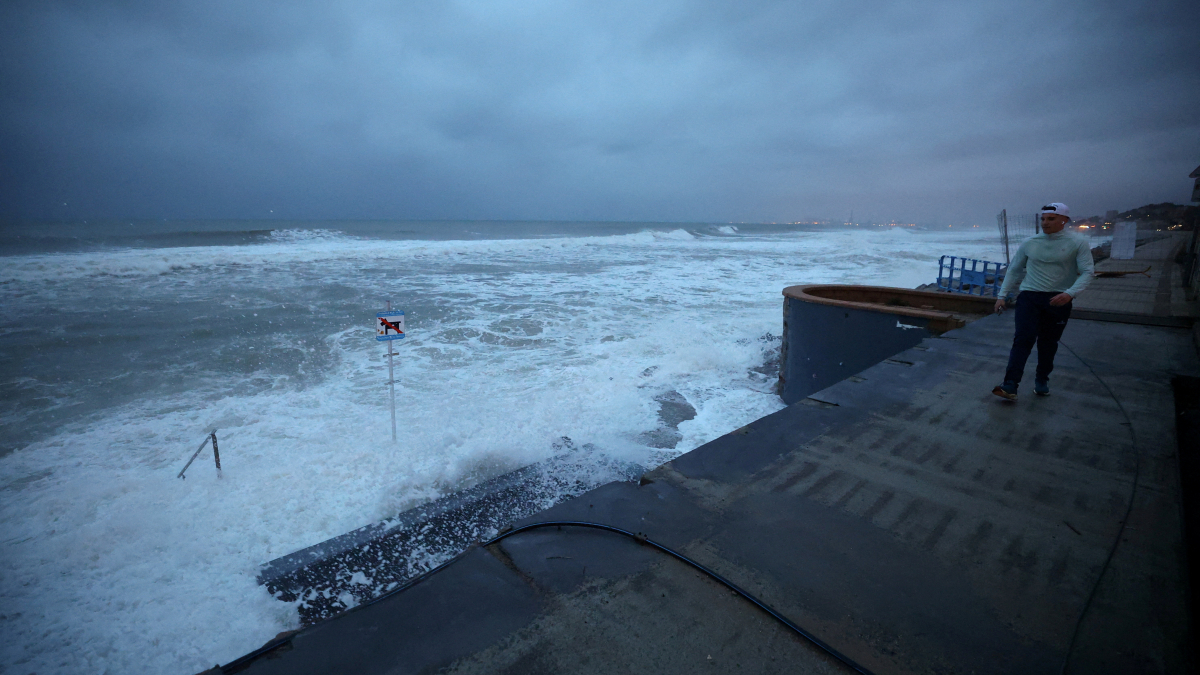
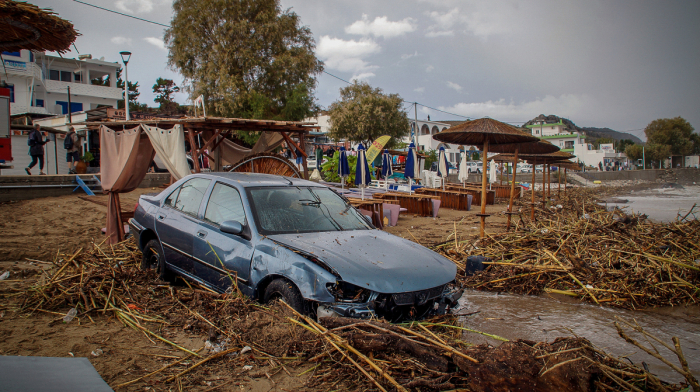
Severe storms have disrupted cargo flows across Europe, shutting terminals and slowing vessel movements for some of the world’s biggest carriers.
Container shipping companies Maersk and Hapag-Lloyd said on Wednesday that heavy storms and snowfall were forcing ports to halt operations and divert vessels across key European routes.
Maersk reported disruptions in south-west and western Europe, saying conditions had also slowed deliveries to northern markets.
“The severe conditions are causing significant industry-wide disruptions,” the company told customers, adding that “vessels [are] sheltering and terminals having to stop operations or work with reduced productivity.”
A Maersk spokesperson said closures were affecting ports along the western coasts of Spain and Morocco, stretching up through the Bay of Biscay to Britain.
The company added there was no timeline for a full resumption of services. Hapag-Lloyd said it was experiencing “significant reductions” due to the weather.
The strain on operations has extended into open waters, with CMA CGM confirming last week that one of its ships lost 58 containers off Malta after unexpectedly strong conditions, with additional deck cargo damaged.
According to Reuters, Maersk and Hapag-Lloyd continue to operate multi-million-TEU fleets, with their new Gemini Cooperation expected to deploy more than 4.5 million TEU of combined capacity across major trade lanes.
In its latest published results, Hapag-Lloyd reported transporting around 12.5 million TEU in 2024, while Maersk’s fleet capacity stands at roughly 4.1 million TEU, underscoring the scale of cargo moving through their networks.
Analysts say severe weather disruptions typically raise operating costs by slowing vessel movements, increasing fuel use and adding port congestion, and warn that even short interruptions in Europe can trigger wider delays across global supply chains and temporarily push freight rates higher.


















What is your opinion on this topic?
Leave the first comment