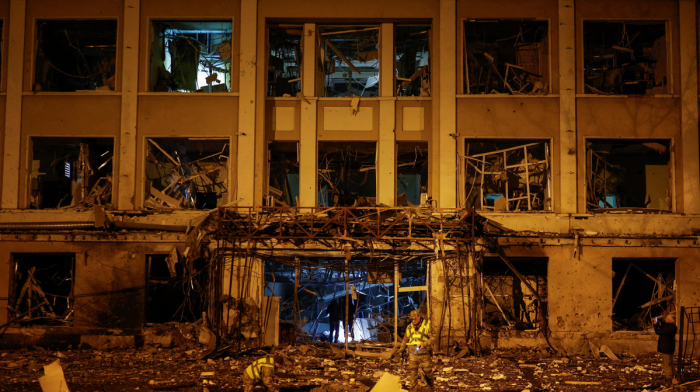
A Russian air attack cut power to more than one million Kyiv residents and impacted substations carrying power from Ukraine's atomic plants on Tuesday.
Drone and missile strikes killed four people- three in the southeastern city of Zaporizhzhia and one in the Kyiv region surrounding the capital. Other regions in the east, south and north of Ukraine also came under attack.
The attack was Russia's second this month on the Ukrainian capital.
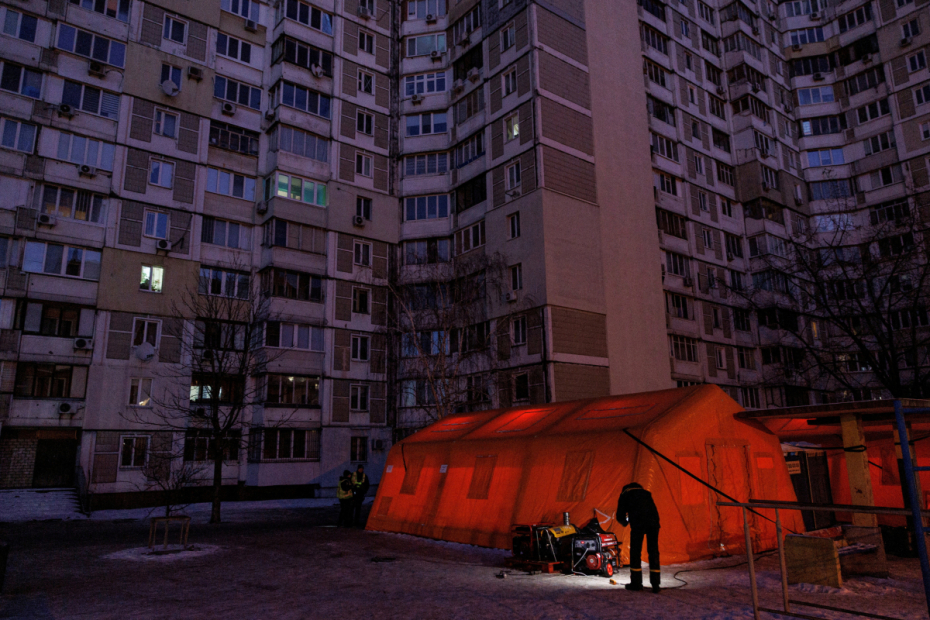
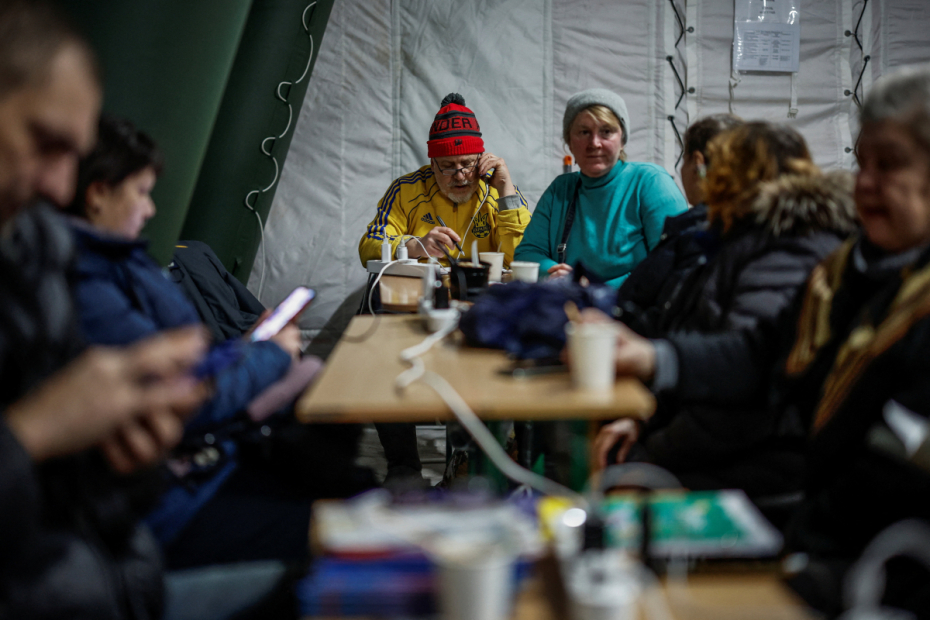
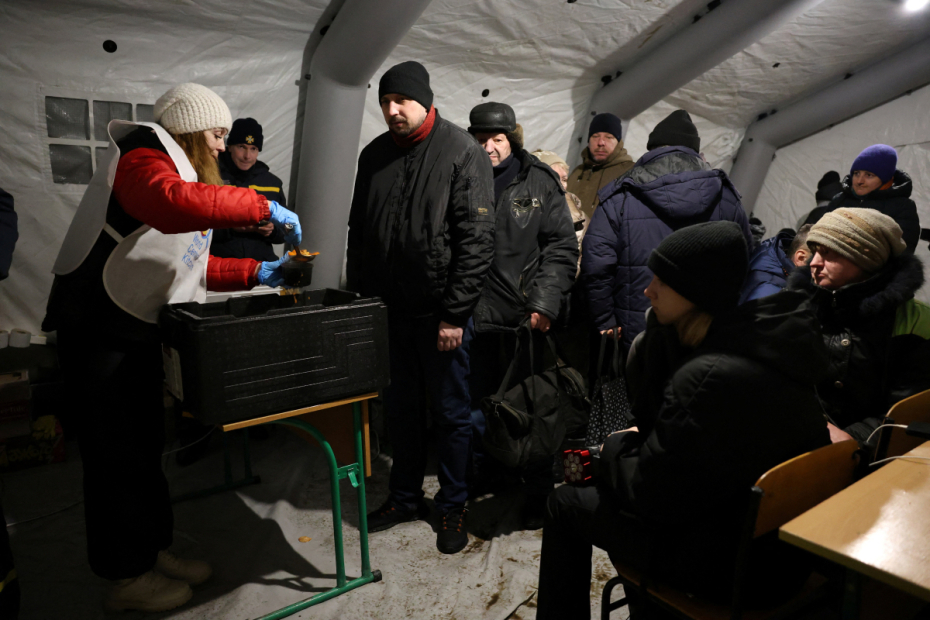
Tens of thousands of emergency workers have been toiling round the clock to restore power and heating, with overnight temperatures dipping to -13 Celsius (9 Fahrenheit).
"In Kyiv alone, as of this evening, more than one million households remain without power," President Volodymyr Zelenskyy said in his nightly video address.
"And a significant number of buildings have no heating, more than 4,000 apartment buildings."
The United Nations' atomic watchdog, the International Atomic Energy Agency (IAEA) said several substations critical for nuclear safety were affected by the attack, while power lines to some other nuclear plants were impacted.
Ukraine gets more than half of its electricity from nuclear power.
The Chornobyl plant, the site of the world's worst civil nuclear catastrophe, had also lost all off-site power on Tuesday morning, the International Atomic Energy Agency added. Kyiv later said the plant had been reconnected.
"While Russian officials speak about the 'importance' of power lines, their forces deliberately strike substations, directly endangering nuclear safety," said Foreign Minister Andrii Sybiha.
Authorities in the northern region of Chernihiv bordering Russia said 87% of the population was without power.
Russia said it had attacked military-industrial, energy and transport targets in support of the army.
New strikes follow peace talks
Tuesday's strikes followed a new round of peace talks at the weekend between U.S. and Ukrainian officials in a U.S.-backed diplomatic push for which Russia has shown little enthusiasm.
In the Swiss resort of Davos, where the World Economic Forum is taking place, envoys for U.S. President Donald Trump and Russian President Vladimir Putin said their meeting on a possible peace deal to end the war had been "very positive" and "constructive."
Zelenskyy urged the U.S. to pile more pressure on Moscow, saying it had "not yet had the strength" to stop Russia.
"Can America do more? It can, and we really want this, and we believe that the Americans are capable of doing this," he told reporters in a WhatsApp media chat.
Ukraine’s power grid further damaged
The power and heating cuts have forced Kyiv residents to bundle up inside their homes and improvise ways to stay warm, such as heating bricks or pitching tents indoors.
Water supplies, disrupted east of the Dnipro River in the capital for a time, were later restored, Kuleba said.
Speaking in Davos on Tuesday, Economy Minister Oleksiy Sobolev said Russia had damaged around 8.5 gigawatts of power generation capacity since late October.














What is your opinion on this topic?
Leave the first comment