The fate of the Zaporizhzhia nuclear power plant has become one of the most contentious issues in U.S. President Donald Trump’s proposed peace plan to end the war in Ukraine, underscoring the complex mix of security, sovereignty and energy concerns surrounding Europe’s largest nuclear facility.
The Zaporizhzhia plant, located in the southern Ukrainian city of Enerhodar, is one of 20 key points outlined in a peace framework presented by Ukrainian President Volodymyr Zelenskyy. Russia seized the plant in March 2022 and later announced plans to connect it to Russia’s power grid, a move widely rejected by Ukraine and most of the international community.
Moscow claims ownership of the facility and says it is operated by Russia’s state nuclear company, Rosatom. Ukraine and its allies maintain that the plant remains Ukrainian territory under international law.
Energy experts say Russia has so far been unable to integrate the plant into its power system.
“First of all, they still can’t connect it physically with their system,” said Oleksandr Kharchenko, director of the Kyiv Energy Research Centre. “They have to build a high-voltage power grid to connect the blocks with their energy system. Then they have to disconnect the station from the Ukrainian power system and connect it to Russia’s. After that, they still need to find a way to operate the system with cooling.”
Zelenskyy has said the United States has proposed a joint operation of the plant involving Ukraine and the U.S., with an American chief manager. Under Ukraine’s proposal, Washington would have the authority to decide how half of the electricity generated by the plant is used. Russian media reports, however, suggest Moscow has discussed the possibility of a joint U.S.-Russian role instead.
Kharchenko said the plant’s value lies less in military advantage and more in its energy potential.
“For them, the Zaporizhzhia nuclear plant is a potentially huge source of electricity,” he said. “It can cover many problems for the Moscow regime in the European part of the country. That’s why they are fighting so hard for this station. It’s not even about military purposes — they really want it in their energy system.”
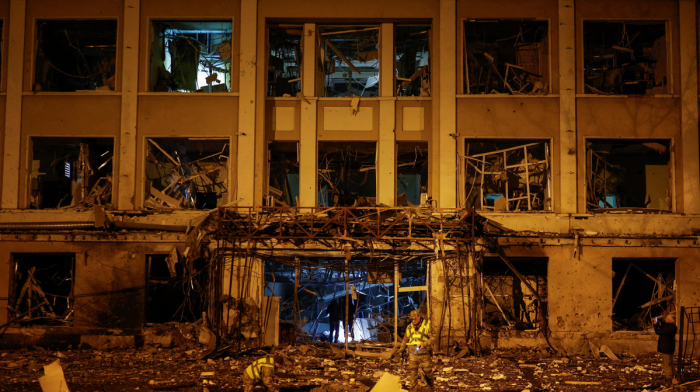
The Zaporizhzhia plant has six Soviet-era reactors with a total capacity of 5.7 gigawatts. All reactors are currently shut down and in so-called cold shutdown mode. Power supplies to the site have been cut at least eleven times since the start of the war, forcing operators to rely on diesel generators to maintain critical safety systems. Both Ukraine and Russia accuse each other of attacks that have disrupted electricity lines.
Safety concerns remain high. Experts warn of long-term risks, particularly following the destruction of the Kakhovka dam in 2023, which reduced the water supply used to cool the reactors and spent fuel pools. Ukrainian officials say water levels in the region continue to fall, increasing the danger at the site.
As diplomatic efforts continue, the future of the Zaporizhzhia nuclear power plant remains uncertain, standing as a major obstacle to any broader settlement and a reminder of the enduring risks posed by the war to nuclear safety in Europe.











What is your opinion on this topic?
Leave the first comment