Poland will begin phasing out the special residence and welfare rules granted to Ukrainians who fled the war with Russia, shifting them onto the country’s standard legal framework for foreign nationals from March, the government said on Tuesday.
Government spokesman Adam Szłapka said the move reflects a more stable situation nearly four years after emergency measures were introduced in 2022. He said most Ukrainians in Poland are now working and their children are enrolled in schools, allowing authorities to move away from temporary arrangements.
Under the new system, Ukrainians will be eligible for a three-year residence permit under general foreigner legislation. Access to public healthcare will be limited to minors, those in employment and people living in collective accommodation, while non-working adults will receive healthcare on the same basis as other foreign residents without jobs.
Eligibility for Poland’s main child benefit scheme will remain linked to parents’ participation in the labour market.
To avoid disruption, the government has introduced transitional measures, including completing already approved family benefit payments, settling funds transferred to local authorities and extending the validity of visas and residence permits until 4 March next year.
Education-related support, such as additional Polish-language classes, preparatory school programmes and simplified rules for hiring teachers and intercultural assistants, will remain in place until the end of the 2025–2026 school year.
Business groups had warned that rolling back the special law could harm the labour market, which has absorbed more than one million Ukrainians since 2022. Szłapka said the government does not expect economic fallout, stressing the importance of Ukrainian workers to the economy.
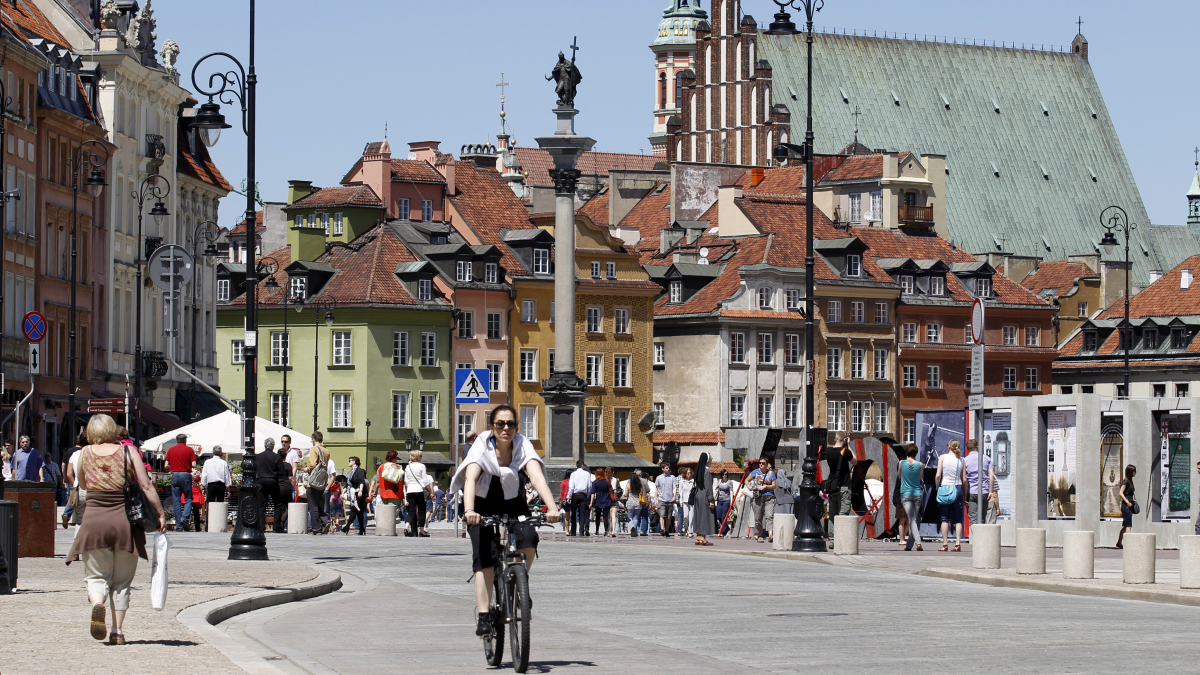
Poland hosts the largest number of Ukrainian refugees in the European Union. The policy shift marks a transition from crisis measures to longer-term integration, while also reflecting domestic pressure to normalise welfare access and public spending.

















What is your opinion on this topic?
Leave the first comment