Kyiv is facing its most severe wartime energy crisis, with the capital receiving only about half the electricity it needs, Mayor Vitali Klitschko told Reuters on Friday.
Kyiv is facing its most severe wartime energy crisis, with the capital receiving only about half the electricity it needs, Mayor Vitali Klitschko told Reuters on Friday. The shortage follows repeated Russian attacks on Ukraine’s energy infrastructure, leaving thousands of apartment buildings without heating amid subzero temperatures. “It’s the first time in the history of our city that, in such severe frosts, most of the city was left without heating and with a huge shortage of electricity,” Klitschko said.
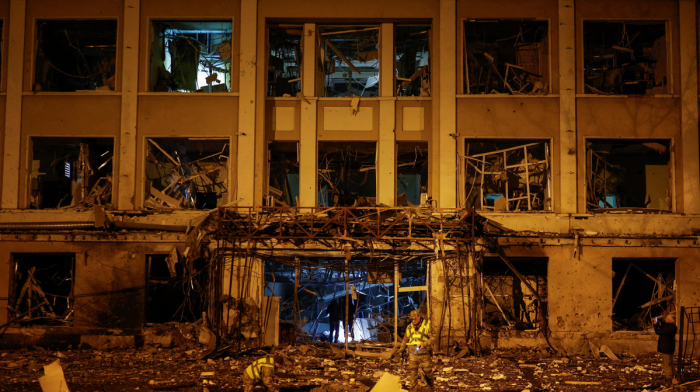
The mayor said the city’s 1,700-megawatt demand is being prioritised for critical infrastructure, including water supply and heating systems. Repair teams have worked around the clock to restore services after a Russian strike last week cut heating to 6,000 buildings. About 100 buildings remain without heating. Ukraine’s new energy minister, Denys Shmyhal, said emergency electricity imports are underway, and the country must add 2.7 gigawatts of generation capacity by year-end to meet demand.
Klitschko described the strikes as part of a broader Russian strategy targeting Kyiv to undermine civilian morale and break resistance. “Putin’s goal is all of Ukraine, especially the heart of Ukraine — Kyiv. These attacks are not just military; they are meant to leave people without heat, water, and electricity,” he said.
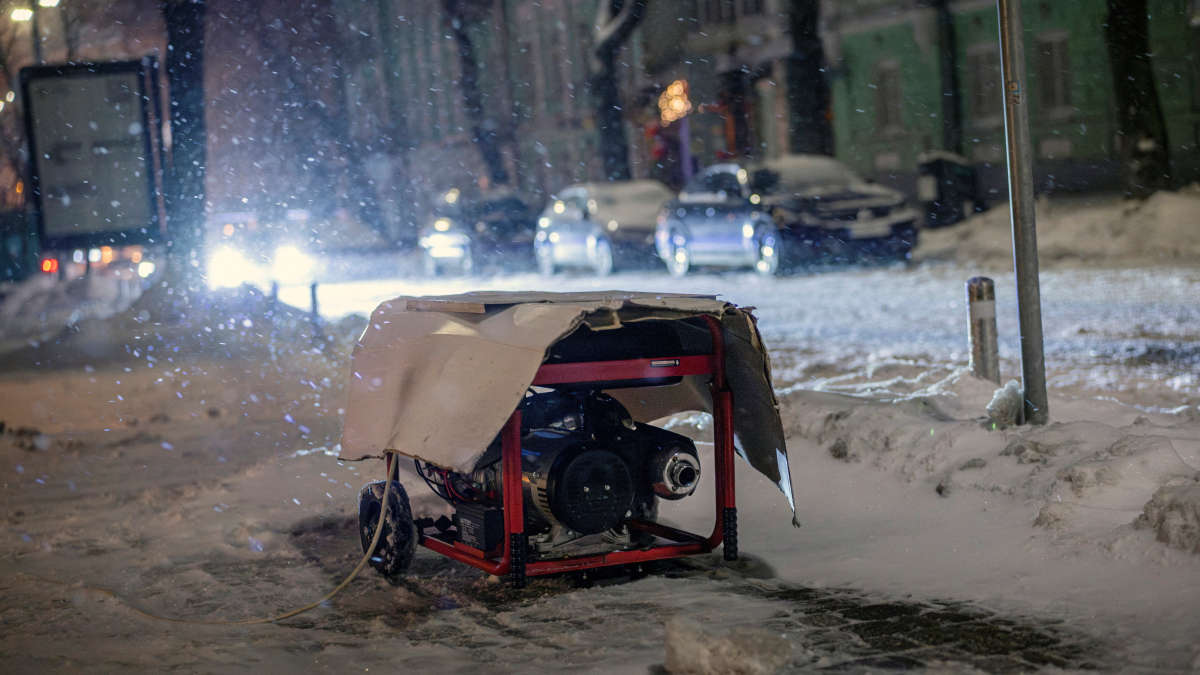
Schools in Kyiv will remain closed until February as authorities prioritise safety amid rolling blackouts. Residents are relying on public warming centres, generators, and gas ovens to survive subfreezing temperatures. Families have reported classrooms as cold as 12 degrees Celsius, forcing children to wear extra layers and eat cold meals.
The situation extends beyond Kyiv. Other major cities, including Kharkiv, Dnipropetrovsk, and Odesa, are also struggling after attacks on local energy facilities. President Volodymyr Zelenskyy said 400,000 people were left without electricity in Kharkiv alone, while Ukrainian authorities have declared an energy emergency for the country.
Ukraine’s government and international partners are mobilising aid. Norway has pledged an initial $200 million to help stabilise power supplies, while emergency measures include reducing overnight curfews, limiting outdoor lighting, and extending school holidays.
Zelenskyy also confirmed a Ukrainian delegation is travelling to the United States for talks on further support and coordination, urging pressure on Moscow to end the conflict. “There must be sufficient pressure on Moscow. I believe we are very close to ending the war if that pressure is applied,” he said.
The winter attacks highlight the growing humanitarian toll of Russia’s repeated targeting of civilian infrastructure. UN officials warn that elderly, children, and people with limited mobility are among the hardest hit, and experts emphasise that Ukraine faces unprecedented challenges in maintaining essential services during the ongoing conflict.














What is your opinion on this topic?
Leave the first comment