Iran strikes: Why now and what next for the leadership in Tehran?
Journalist and International Affairs Commentator, Tom Gross, joined AnewZ from Tel Aviv to tell us why he thinks the attack happened now and whether t...
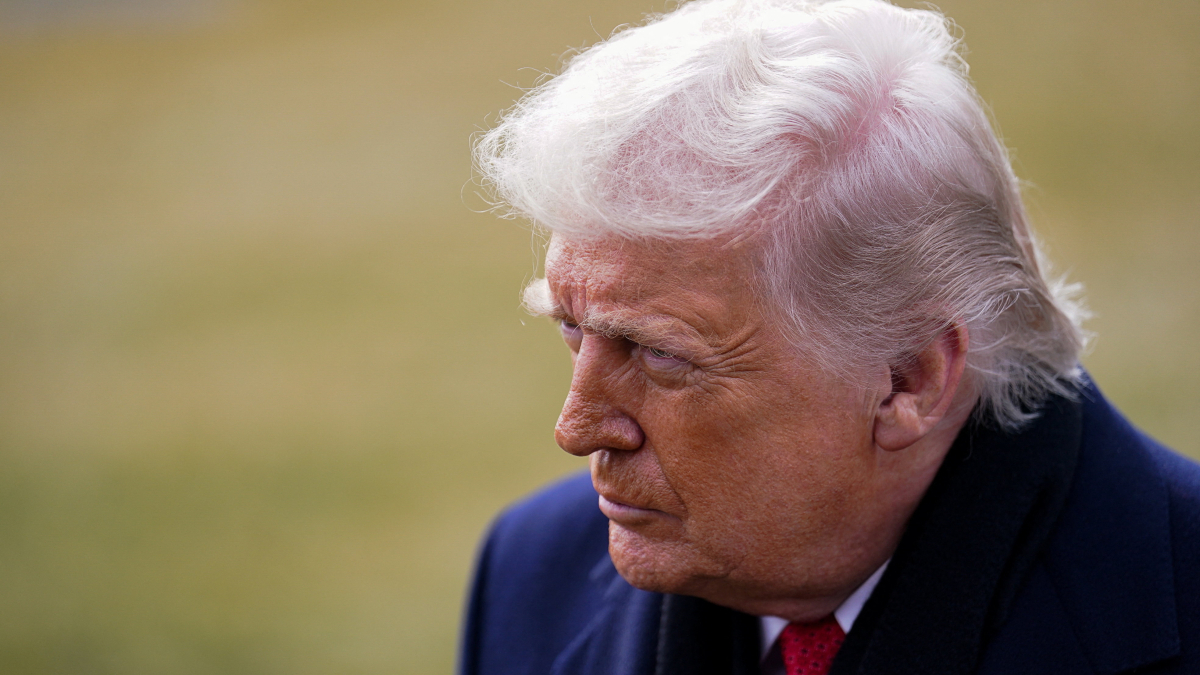
President Donald Trump posted on Truth Social on Thursday that Iran had cancelled more than 800 executions that were scheduled to take place.
He wrote: “I greatly respect the fact that all scheduled hangings, which were to take place yesterday (over 800 of them), have been cancelled by the leadership of Iran. Thank you!”
According to local media, Iranian cleric Ayatollah Ahmad Khatami said on Friday that protesters in Tehran should face execution.
President Donald Trump has consistently voiced support for demonstrators and criticised Iranian authorities over their response to the unrest, which began on 28 December in Tehran following the sharp depreciation of the rial and worsening economic conditions. Protests have since spread to multiple cities.
Trump had previously indicated that military action remained a possible option but said the likelihood of a strike decreased after learning that planned executions of protesters had been cancelled. Later on Friday, he told reporters that the decision not to launch a strike was entirely his own. “Nobody convinced me. I convinced myself,” he said when asked if Arab or Israeli leaders influenced him. He added: “You had, yesterday, scheduled over 800 hangings. They didn’t hang anyone. They cancelled the hangings. That had a big impact.”
The unrest reflects deepening economic and social grievances, including high inflation and declining living standards. Demonstrators have called for political reform and greater freedoms, while security forces have employed harsh measures, including lethal force and mass detentions.
Although the suspension of executions offers a temporary reprieve, broader political tensions remain, leaving Iran’s future uncertain.

Follow the latest developments and global reaction after the United States and Israel launched "major combat operations" in Iran, prompting retaliation from Tehran.
Tensions between the U.S. and Iran are escalating, with Washington ordering a significant military build-up in the region and multiple countries evacuating diplomatic staff amid fears of further instability.
Two people were killed and around 40 injured when a tram derailed in central Milan on Friday (27 February), a spokesperson for the local fire service said.
The United States is expected to deploy six additional aerial refuelling aircraft to Israel as Washington continues to strengthen its military presence in the Middle East while nuclear negotiations with Iran remain under way.
Pakistani air strikes hit a weapons depot on the western outskirts of Kabul overnight, triggering hours of secondary explosions that rattled homes across the Afghan capital and left residents fearing further violence.
A senior Iranian official has warned Israel to “prepare for what is coming”, insisting that Tehran’s response to the latest escalation in the Middle East will be made openly and without limits.
Cuba has released extensive details of a deadly midweek shootout at sea, showing rifles, pistols and nearly 13,000 rounds of ammunition that it says were carried by a group of exiles who attempted to enter the island by speedboat.
Afghanistan’s Taliban rulers said on Friday (27 February) they were ready to negotiate after Pakistan bombed their forces in several Afghan cities, including Kabul and Kandahar, and Islamabad declared the neighbours were now in "open war".
Tensions between the U.S. and Iran are escalating, with Washington ordering a significant military build-up in the region and multiple countries evacuating diplomatic staff amid fears of further instability.
Two people were killed and around 40 injured when a tram derailed in central Milan on Friday (27 February), a spokesperson for the local fire service said.
You can download the AnewZ application from Play Store and the App Store.
What is your opinion on this topic?
Leave the first comment