Washington signals new economic drive in Central Asia at Bishkek B5+1 forum
A landmark gathering of commercial and political minds has convened in the Kyrgyz capital, signalling a significant shift in Washington’s foreign po...
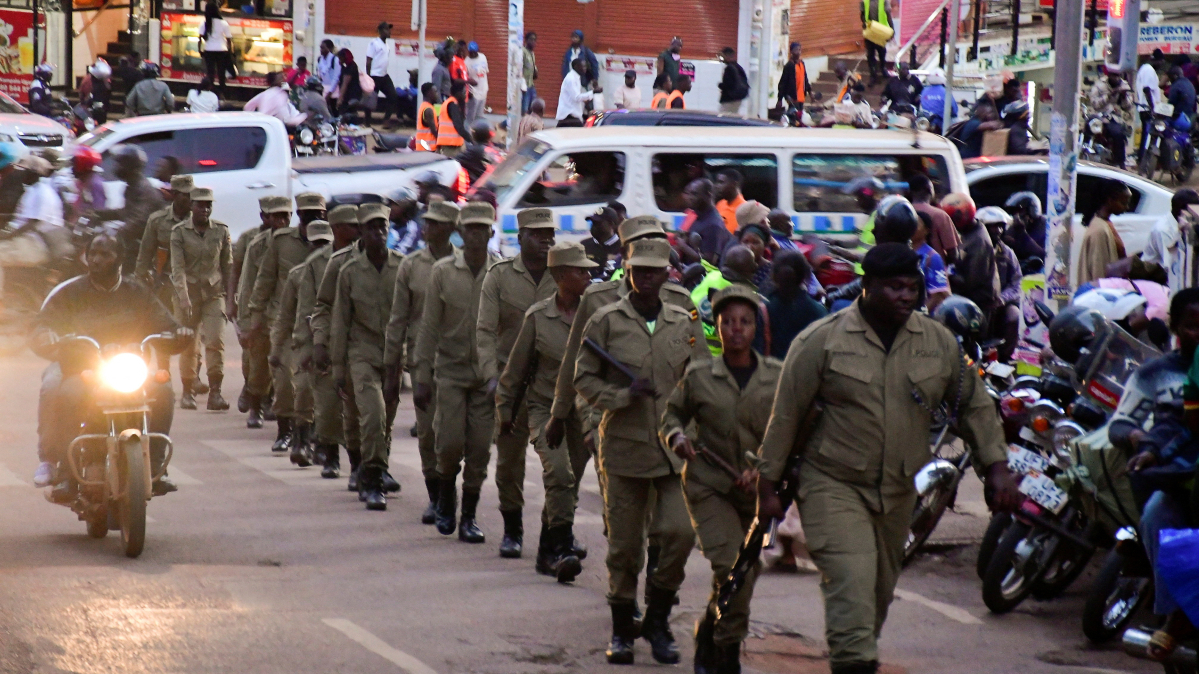
The United Nations has called on Uganda to lift a nationwide internet blackout ahead of Thursday’s general election, describing the restrictions as “deeply worrying.”
The UN Human Rights Office stressed in a social media post Wednesday that “open access to communication & information is key to free & genuine elections.”
“All Ugandans must be able to take part in shaping their future & the future of their country,” it said.
The blackout began Tuesday evening after the Uganda Communications Commission instructed mobile operators to block public internet access, as the country prepared for its 15 January vote. Internet monitor NetBlocks said the nation is “in the midst of a widespread internet shutdown,” warning the move could reduce transparency and increase the risk of vote fraud.
President Yoweri Museveni, 81, faces a challenge from pop star-turned-politician Bobi Wine. Museveni’s government has been accused of cracking down on critics, arresting opposition leaders and disrupting campaign rallies.
The UN also warned last week that Ugandans would vote amid “widespread repression and intimidation against the political opposition, human rights defenders, journalists and those with dissenting views.”
The Uganda Communications Commission defended the shutdown as necessary to curb “misinformation, disinformation, electoral fraud and related risks.”
Amnesty International’s Tigere Chagutah called the blackout “a brazen attack on the right to freedom of expression,” highlighting its disproportionate impact on mobility, livelihoods, and access to information.
During Uganda’s last election campaign in 2021, widespread violence left at least 54 people dead, with authorities also cutting social media and internet access.

Talks with the U.S. should be pursued to secure national interests as long as "threats and unreasonable expectations" are avoided, President Masoud Pezeshkian posted on X on Tuesday (3 February).
Cuba’s Deputy Foreign Minister Carlos Fernández de Cossío has denied that Havana and Washington have entered formal negotiations, countering recent assertions by U.S. President Donald Trump, while saying the island is open to dialogue under certain conditions.
Mexico said it will stop sending oil to Cuba as U.S. President Donald Trump ramped up pressure on the Caribbean nation.
Iranian media outlets have backtracked on claims President Masoud Pezeshkian ordered a return to nuclear talks with the United States, fuelling fresh uncertainty over the state of diplomacy between the two rivals.
Web Summit Qatar 2026 opened in Doha on Sunday, drawing tens of thousands of founders, investors, policymakers and technology leaders to what organisers describe as one of the region’s largest digital economy gatherings.
Thousands of documents linked to the late sex offender Jeffrey Epstein have been taken down from the U.S. Justice Department’s (DOJ) website after victims and their lawyers warned that sensitive personal information had been exposed.
Start your day informed with AnewZ Morning Brief: here are the top news stories for the 4rd of February, covering the latest developments you need to know.
U.S. Secretary of State Marco Rubio met with Indian Foreign Minister Subrahmanyam Jaishankar on Tuesday (February 3) one day after the U.S. and India signed a trade deal.
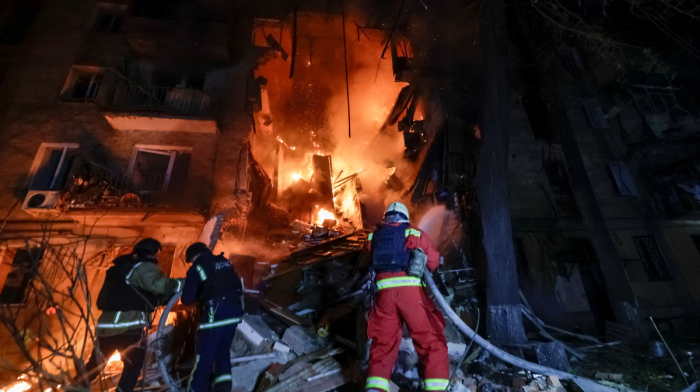
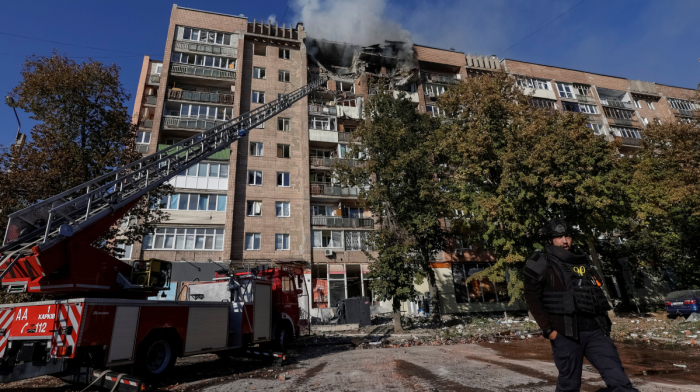
British Prime Minister Keir Starmer spoke to U.S. President Donald Trump on Tuesday and discussed the situation in Ukraine, including the overnight Russian attacks on the country, the UK government said.
U.S. President Donald Trump on Tuesday (3 February) signed a spending deal into law that ends a partial U.S. government shutdown and gives lawmakers time to negotiate potential limits on his immigration crackdown.
You can download the AnewZ application from Play Store and the App Store.
What is your opinion on this topic?
Leave the first comment