China is stepping up efforts to promote technology-enabled elderly care, aiming to improve the health, safety and overall wellbeing of its rapidly growing senior population.
The initiative reflects growing concern over the country’s ageing demographics and the need to ease pressure on families and the public healthcare system.
China has one of the world’s fastest-ageing societies. Declining birth rates and longer life expectancy mean the number of people aged 60 and above continues to rise sharply.
By 2035, the elderly population is expected to exceed 400 million, accounting for more than 30% of the country’s citizens.
Many older people live alone or far from their children, increasing demand for care services that are accessible, affordable and responsive. Authorities see digital and smart technologies as key tools in addressing these challenges.
Under the initiative, local governments and service providers are being encouraged to adopt smart devices and digital platforms in community-based and home care.
These include wearable health monitors that track heart rate, blood pressure and movement, as well as sensors that can detect falls or unusual inactivity and automatically alert caregivers or emergency services.
Artificial intelligence and big data are also being integrated into elderly care systems. AI-powered platforms can analyse health data to identify early warning signs of illness, recommend personalised care plans and support early intervention by doctors and caregivers.
In care facilities, intelligent systems are being used to manage medication schedules, monitor sleep patterns and improve daily care efficiency.
Telemedicine is playing a growing role, allowing older people to consult doctors remotely without travelling long distances.
This is particularly significant in rural or less developed areas, where access to medical specialists can be limited. Online consultations and digital prescription services are helping to narrow gaps between urban and rural healthcare provision.
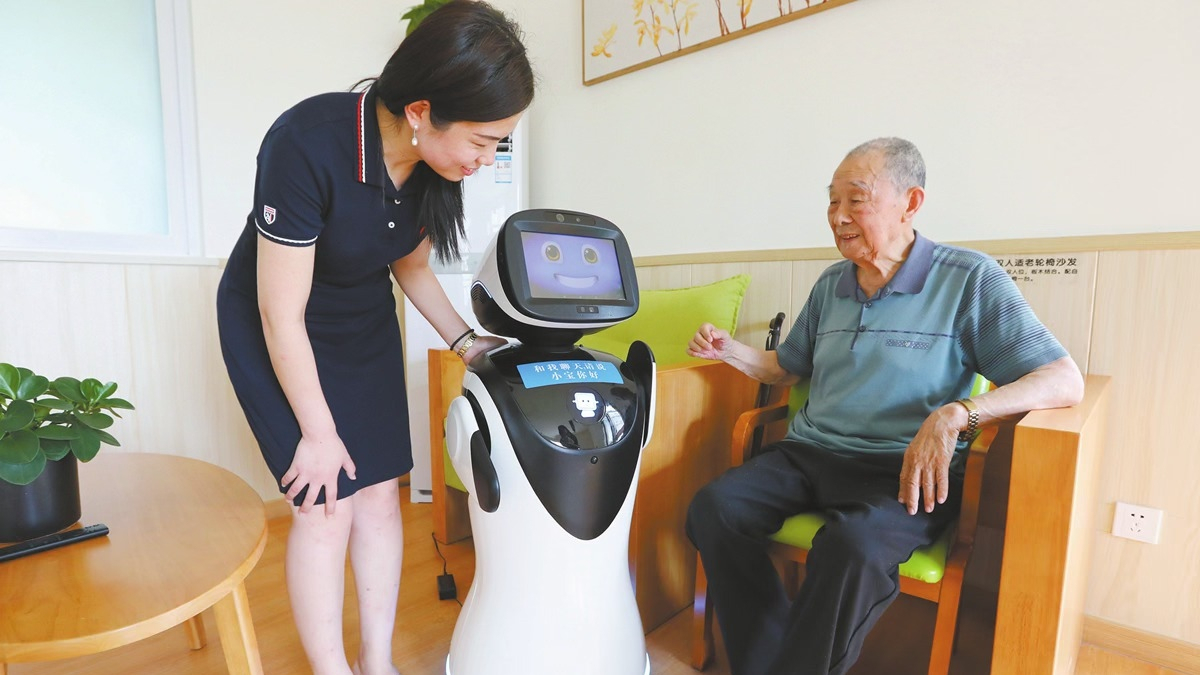
China is also promoting the use of service robots in elderly care settings. Robots are being deployed to assist with tasks such as delivering meals and medicines, providing companionship and offering basic health reminders. Officials say the technology is intended to support, rather than replace, human caregivers.
To encourage adoption, the government is backing partnerships between technology firms, healthcare providers and community organisations.
Pilot programmes are under way in several cities to test new models of smart elderly care, with an emphasis on affordability and ease of use. Training initiatives are also being expanded to help older people use digital tools safely and confidently.
Officials say the aim is not only to extend life expectancy but to improve quality of life. By combining technology with community support and professional care, China hopes to build a more inclusive and sustainable elderly care system as the population continues to age.























What is your opinion on this topic?
Leave the first comment