live U.S. hits Iranian radar installations after drone threat in Strait of Hormuz
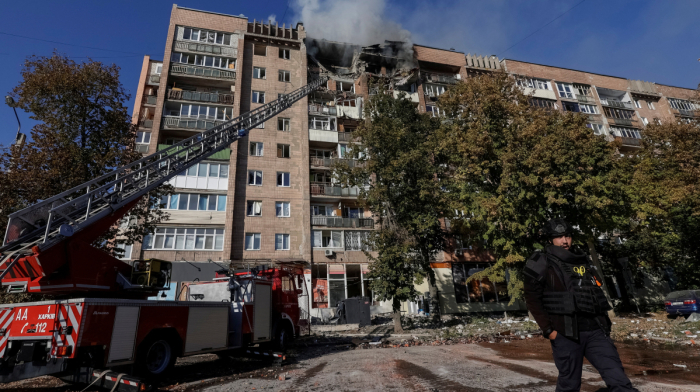
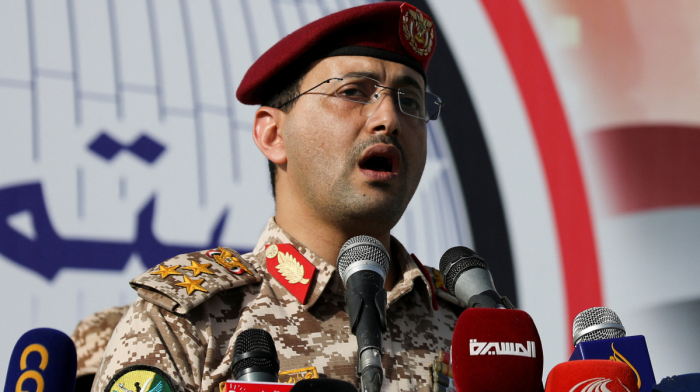
The U.S. said it struck Iranian radar sites on Qeshm Island and in Goruk after intercepting four drones, while Iran's Revolutionary Guards said they l...
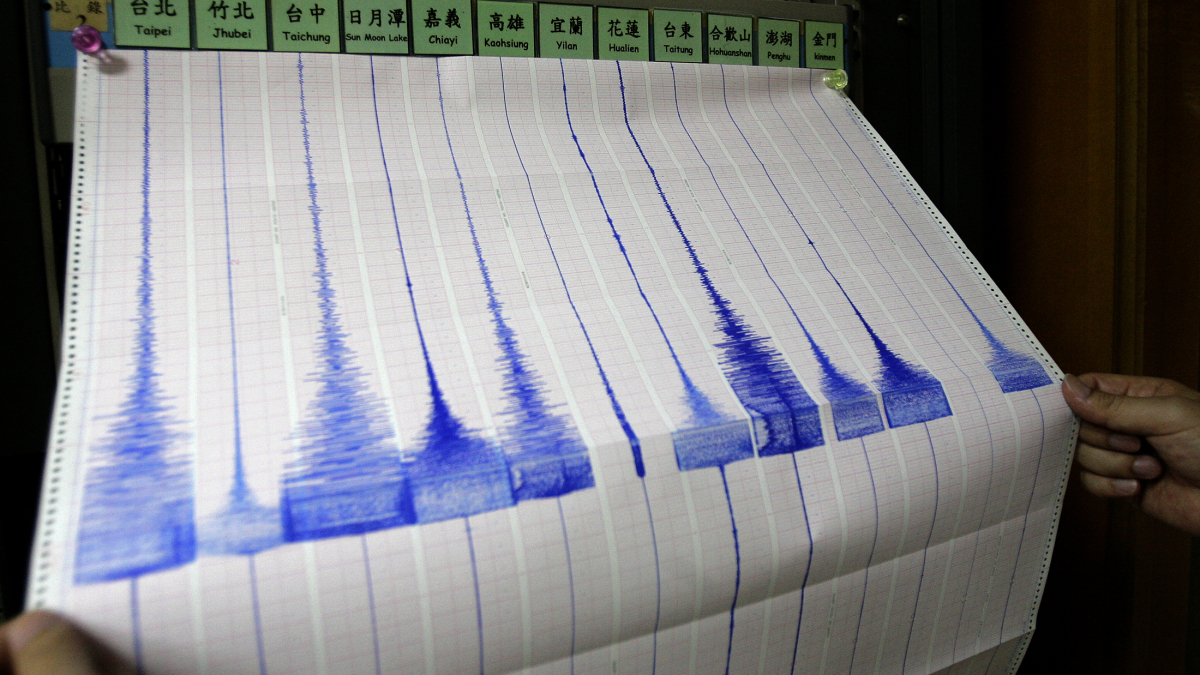
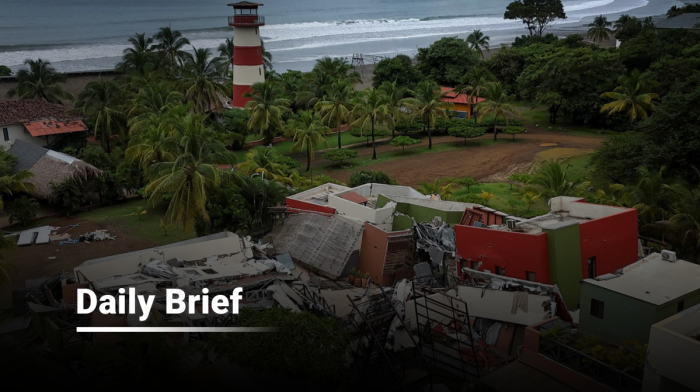
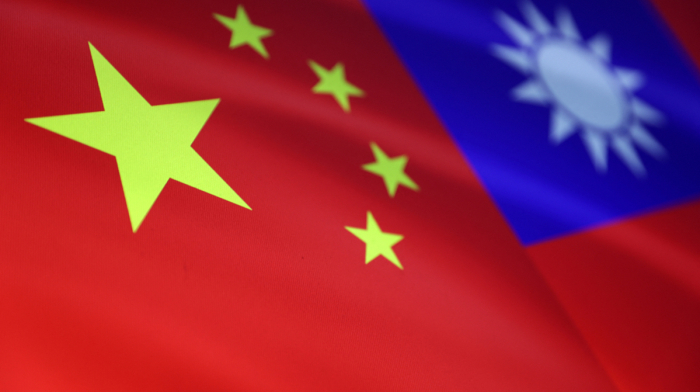
A 7.0 magnitude earthquake struck offshore near Taiwan’s north-eastern county of Yilan late on Saturday, shaking buildings across the island, including in the capital Taipei, authorities said.
Taiwan’s weather administration said the quake hit about 32 kilometres off Yilan at a depth of 73 kilometres, an offshore and relatively deep event that helped limit the damage.
The tremor was felt across much of Taiwan and was assigned an intensity-four rating, indicating the potential for minor damage.
Local governments reported no major damage or casualties, though there were isolated incidents.
Taipei city officials said there were cases of gas and water leaks and minor structural damage. In Yilan, more than 3,000 households briefly lost power, according to Taiwan Power Company.
Emergency services said response teams were deployed as a precaution, while rail services in some areas were slowed or temporarily suspended for safety checks.
Major semiconductor manufacturer TSMC said a small number of facilities at the Hsinchu Science Park met evacuation thresholds following the quake.
Staff were evacuated briefly and later returned to their posts, the company said, adding that operations were not significantly affected.
The quake was the second to strike Taiwan in recent days, after a 6.1-magnitude earthquake hit the southeastern county of Taitung earlier this week, shaking buildings in Taipei but causing no reported damage.
Taiwan’s weather administration warned residents to remain alert for aftershocks of between magnitude 5.5 and 6.0 over the coming day, noting that aftershocks are common following strong earthquakes.
President Lai Ching-te said authorities had the situation under control and urged the public to stay vigilant and follow official guidance.
Taiwan lies near the junction of two tectonic plates and is prone to earthquakes. More than 100 people were killed in a quake in southern Taiwan in 2016, while a 7.3 magnitude earthquake in 1999 claimed more than 2,000 lives.

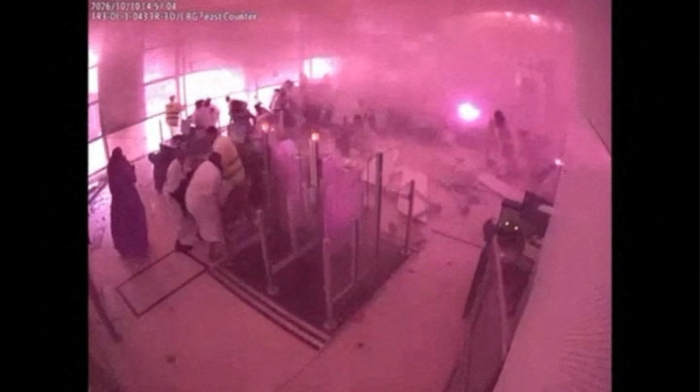
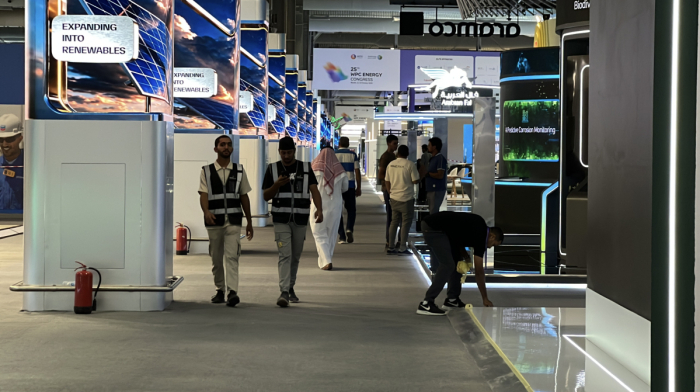
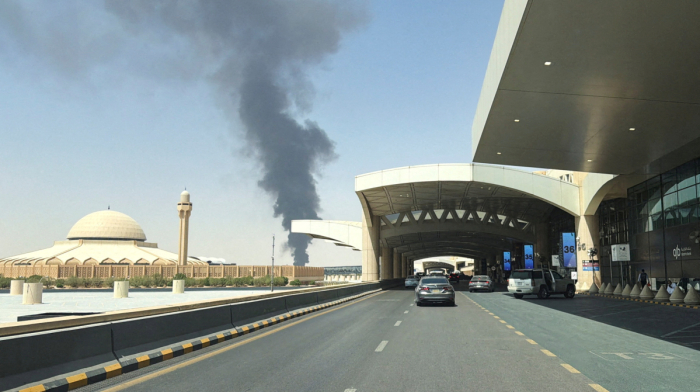
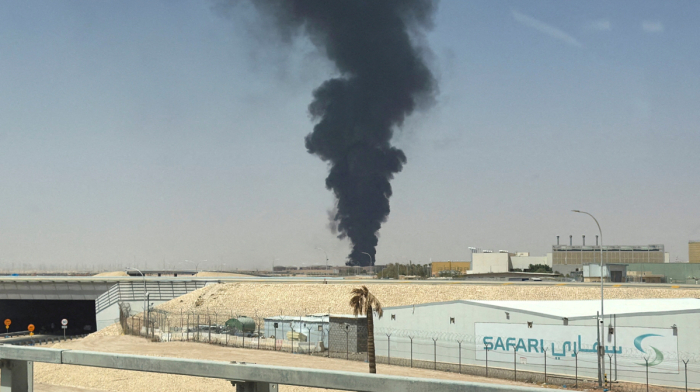
Iran’s Revolutionary Guards (IRGC) said in a statement that its Aerospace Force did not strike the Kuwait Airport passenger terminal on Wednesday, and that the destruction was instead caused by a failed U.S. Patriot missile.
The new AnewZ documentary, TARGET: Yerevan, builds its explosive case on exclusive, secret recordings originally published by Minval Politika.
Five Azerbaijani citizens have been killed and three others injured following drone attacks on two cargo vessels in the Sea of Azov, Azerbaijan's Foreign Ministry said on Friday.
Azerbaijan has strongly rejected allegations published by CNN claiming that its territory was used for Israeli military and intelligence operations against Iran, describing the report as entirely baseless and demanding a retraction.
Armenia will hold parliamentary elections on 7 June 2026, a vote that will shape the country’s political direction for the next five years. Understanding how the electoral system converts votes into parliamentary power is key to following the outcome and its wider regional implications.
People across Gaza are facing a worsening humanitarian crisis, with millions struggling to access food, clean water, shelter and medical care as the conflict continues.
The United States has announced an additional $38 million to support efforts to contain the Ebola outbreak in the Democratic Republic of Congo, as health officials warn that the virus could spread further without stronger action.
More than 6,000 people gathered outside a vote-counting centre in Seoul on Friday night, demanding this week’s local elections be repeated after ballot shortages left some voters unable to cast their ballots.
The next time a goal goes in during a Champions League final, fans around the world could watch it from every angle at once — frozen, rotated and replayed in ways that were impossible only a few years ago.
An ageing, poorly insured shadow armada now accounts for around one-sixth of the world's tanker fleet. Hidden by design and fraught with risk, it operates beyond conventional oversight. A maritime law expert explains how it works, who profits, and why much of the world looks the other way.
You can download the AnewZ application from Play Store and the App Store.
What is your opinion on this topic?
Leave the first comment