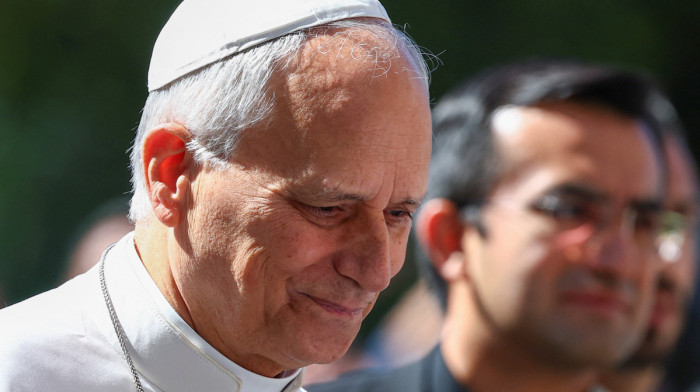
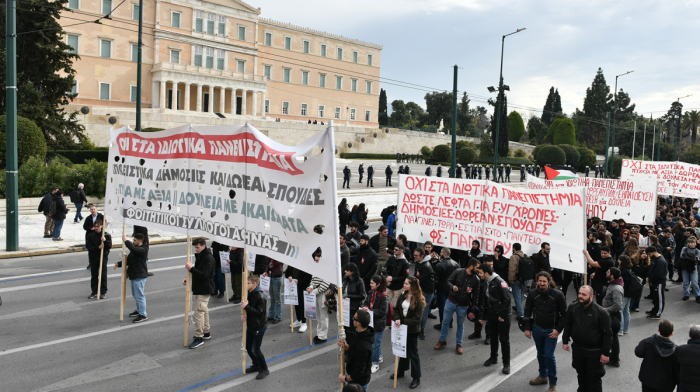
Armenians set to vote in elections that put Pashinyan's peace promise to the test
Armenians will vote on Sunday in a parliamentary election that will determine whether Prime Minister Nikol Pashinyan secures a new mandate to pursue ...
Israel became the first country to formally recognise Somaliland as an independent state on Friday, drawing strong condemnation from Somalia and regional and international organisations.
Somalia’s federal government described the decision as "unlawful" and a "deliberate attack" on the country’s sovereignty and territorial integrity.
It said Somaliland remained "an integral, inseparable and inalienable part of Somalia" and pledged to pursue diplomatic, political and legal measures to defend its internationally recognised borders.
The Arab League and the Gulf Cooperation Council also criticised the move.
Arab League Secretary General Ahmed Aboul Gheit called the recognition "a clear violation of international law" and an infringement of the principle of state sovereignty.
Gulf Cooperation Council Secretary General Jasem Albudaiwi warned it could destabilise the Horn of Africa, describing the decision as a grave breach of Somalia’s sovereignty.
The African Union reaffirmed its commitment to Somalia’s territorial integrity, cautioning that recognising breakaway regions risked undermining peace and stability across the continent.
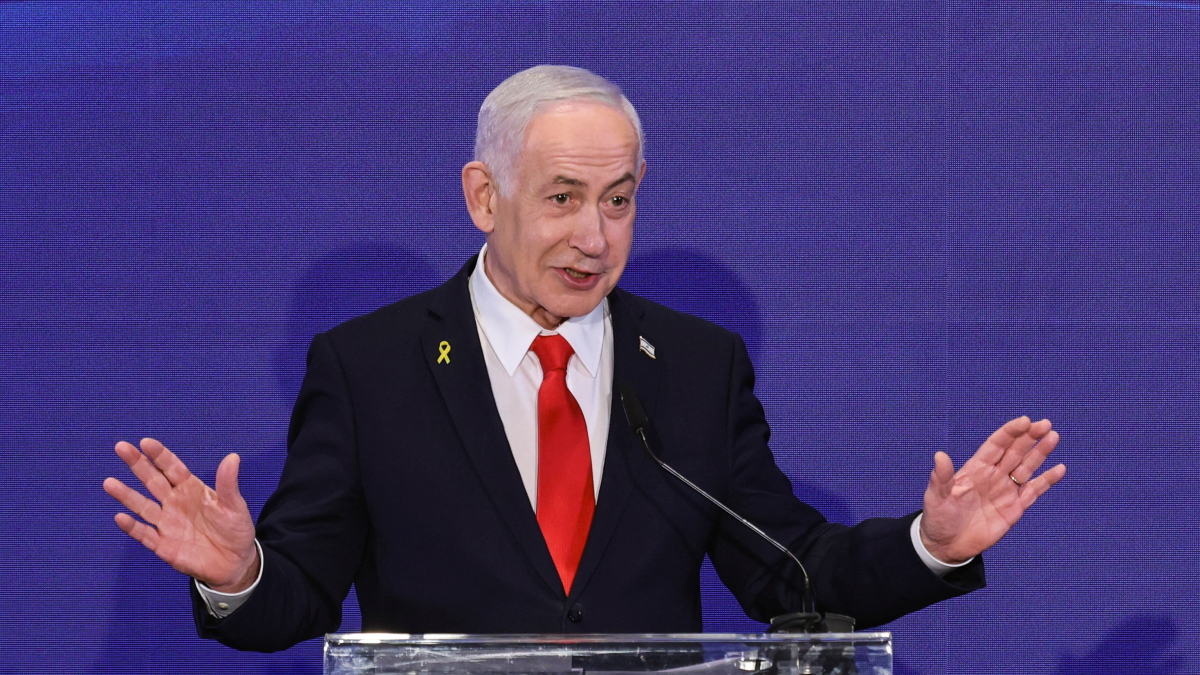
Announcing the decision, Israeli Prime Minister Benjamin Netanyahu said Israel would pursue immediate cooperation with Somaliland in agriculture, health, technology and the economy.
He congratulated Somaliland President Abdirahman Mohamed Abdullahi on his leadership and invited him to visit Israel.
Netanyahu said the recognition was "in the spirit of the Abraham Accords", signed during Donald Trump’s first administration, which normalised Israel’s relations with the United Arab Emirates and Bahrain.
An Israeli statement said Netanyahu, Foreign Minister Gideon Saar and Abdullahi signed a joint declaration of mutual recognition.
Abdirahman Mohamed Abdullahi welcomed Israel’s decision, saying it opened the door to cooperation in sectors including agriculture, health and technology.
Somaliland, a self-declared republic in northern Somalia, has operated with de facto autonomy since declaring independence in 1991 but has not previously received international recognition. Somalia’s federal government considers the region an integral part of its territory.

Iran’s Revolutionary Guards (IRGC) said in a statement that its Aerospace Force did not strike the Kuwait Airport passenger terminal on Wednesday, and that the destruction was instead caused by a failed U.S. Patriot missile.
The new AnewZ documentary, TARGET: Yerevan, builds its explosive case on exclusive, secret recordings originally published by Minval Politika.
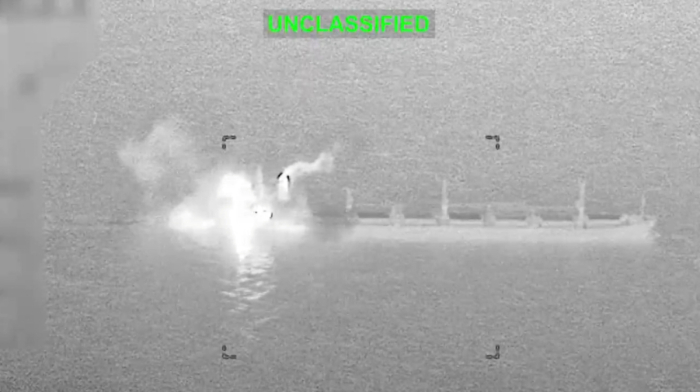
Five Azerbaijani citizens have been killed and three others injured following drone attacks on two cargo vessels in the Sea of Azov, Azerbaijan's Foreign Ministry said on Friday.
Azerbaijan has strongly rejected allegations published by CNN claiming that its territory was used for Israeli military and intelligence operations against Iran, describing the report as entirely baseless and demanding a retraction.
Armenia will hold parliamentary elections on 7 June 2026, a vote that will shape the country’s political direction for the next five years. Understanding how the electoral system converts votes into parliamentary power is key to following the outcome and its wider regional implications.
People across Gaza are facing a worsening humanitarian crisis, with millions struggling to access food, clean water, shelter and medical care as the conflict continues.
More than 6,000 people gathered outside a vote-counting centre in Seoul on Friday night, demanding this week’s local elections be repeated after ballot shortages left some voters unable to cast their ballots.
The next time a goal goes in during a Champions League final, fans around the world could watch it from every angle at once — frozen, rotated and replayed in ways that were impossible only a few years ago.
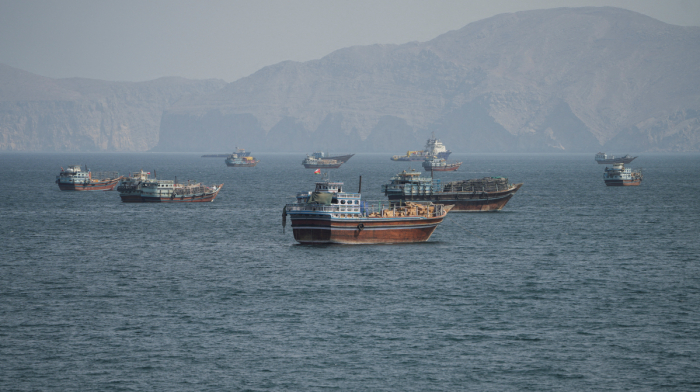
An ageing, poorly insured shadow armada now accounts for around one-sixth of the world's tanker fleet. Hidden by design and fraught with risk, it operates beyond conventional oversight. A maritime law expert explains how it works, who profits, and why much of the world looks the other way.
Start your day informed with the AnewZ Morning Brief. Here are the top stories for the 6 June, covering the latest developments you need to know.
You can download the AnewZ application from Play Store and the App Store.
What is your opinion on this topic?
Leave the first comment