Fighting along the Thailand–Cambodia border has entered a fifth consecutive day, despite U.S. President Donald Trump claiming he had brokered a ceasefire between the two sides.
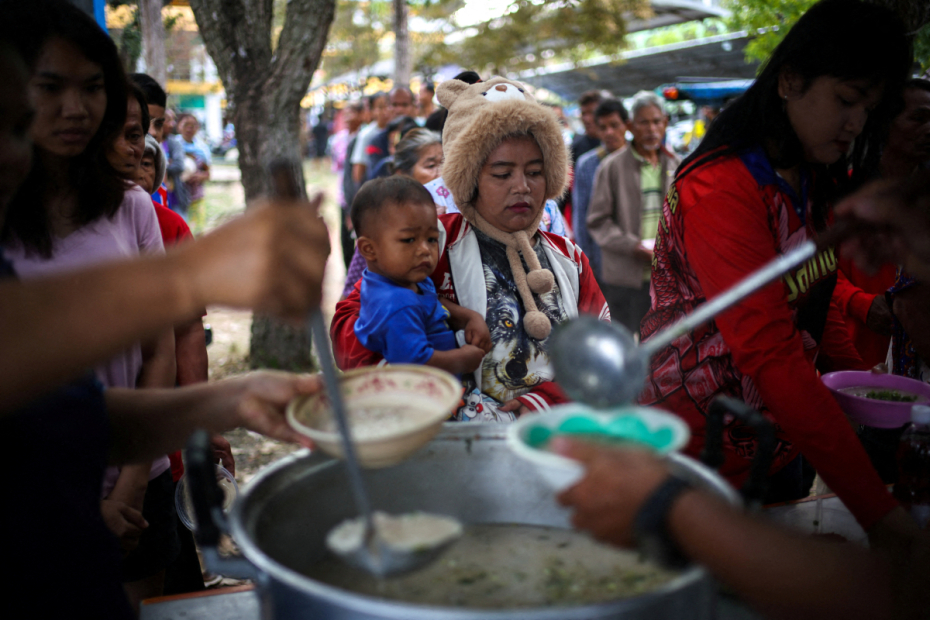
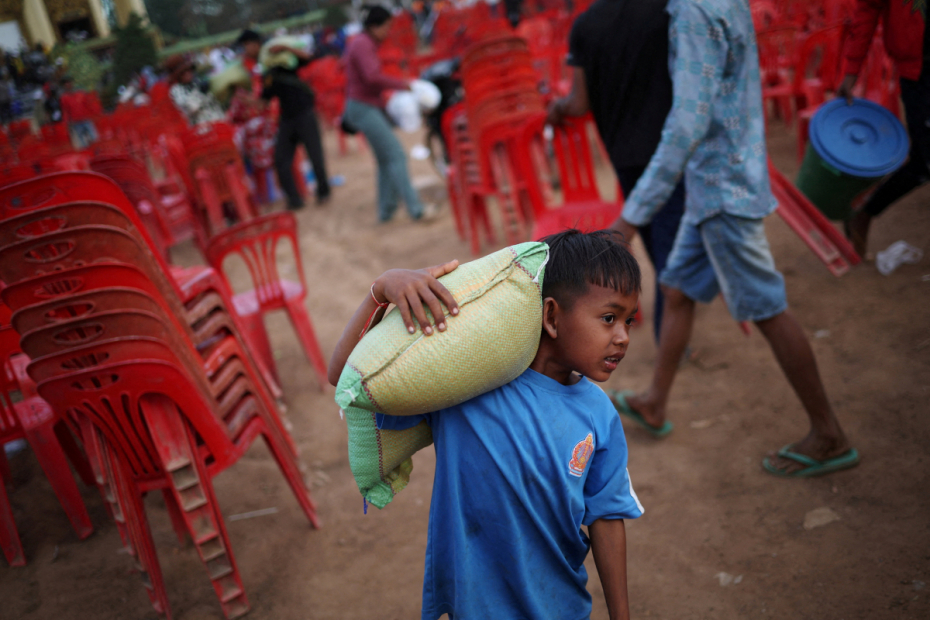
Thai forces launched air operations and targeted pre-positioned artillery along the disputed frontier, while hundreds of thousands of civilians have fled their homes to escape cross-border violence.
Thailand’s caretaker Prime Minister Anutin Charnvirakul said military operations would continue until Bangkok was confident that there was no longer a threat to its territory or civilian population.
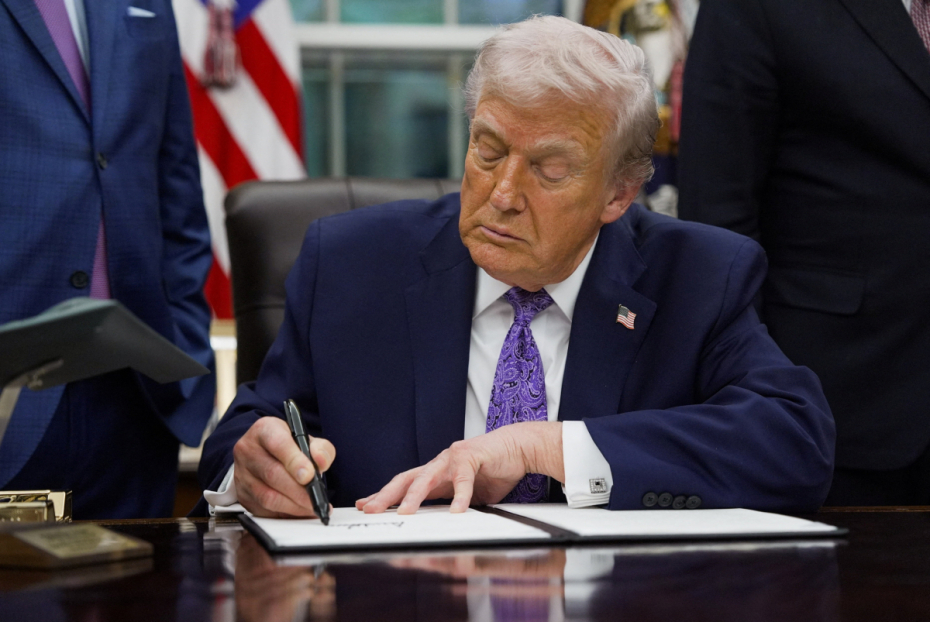
His remarks followed Trump’s statement that he had spoken to both Charnvirakul and Cambodian Prime Minister Hun Manet, asserting that both leaders had agreed to “cease all shooting.” Neither Bangkok nor Phnom Penh publicly confirmed such a deal.
Speaking to DayBreak on AnewZ, geopolitical analyst Qaiser Nawab, Chairman of the BRISD, said the situation reflects broader shifts in international influence rather than simply a decline in U.S. power.
He noted that Trump has recently claimed success in brokering multiple ceasefires globally, including between Thailand and Cambodia, yet implementation has repeatedly faltered.
"This also not only shows the losing of influence, but this also raises a question of the importance of the regional power."
Nawab argued that the contrasting effectiveness of ASEAN-led versus U.S.-led mediation underscores the rising importance of regional and multilateral actors in conflict resolution.
"Because we have seen that when the ASEAN chair, the prime minister of the Malaysia, Anwar Ibrahim intervened in the clashes between Thailand and Cambodia, that has hugely impacted the losing of the superpowers' influence in different parts of the world." he added.
This approach contrasts with traditional reliance on superpower intervention, demonstrating that legitimacy and understanding of local dynamics can be more effective than external pressure alone.
The White House said on Saturday that President Trump expected all parties to honour commitments discussed during the talks and would hold those responsible accountable if the violence persisted.
Cambodia, meanwhile, welcomed mediation efforts by Malaysian Prime Minister Anwar Ibrahim, acting as ASEAN chair, who proposed an immediate halt to hostilities and announced the deployment of an ASEAN observer team supported by satellite monitoring from the United States.
Thailand’s foreign ministry stressed that any ceasefire declaration must follow formal negotiations and could not be unilaterally imposed amid ongoing fighting.
Ceasefire Claims vs. Ground Reality
Despite U.S. President Donald Trump’s public statements claiming that a ceasefire had been agreed between Thailand and Cambodia, officials in Bangkok insist that no formal halt to hostilities exists.
Thai forces continue military operations along the border, citing the need to protect civilians and secure the nation’s territory amid ongoing cross-border exchanges of artillery fire and air strikes. The apparent disconnect between Washington’s assertions and on-the-ground realities has created confusion and raised questions about the effectiveness of external intervention in such regional conflicts.
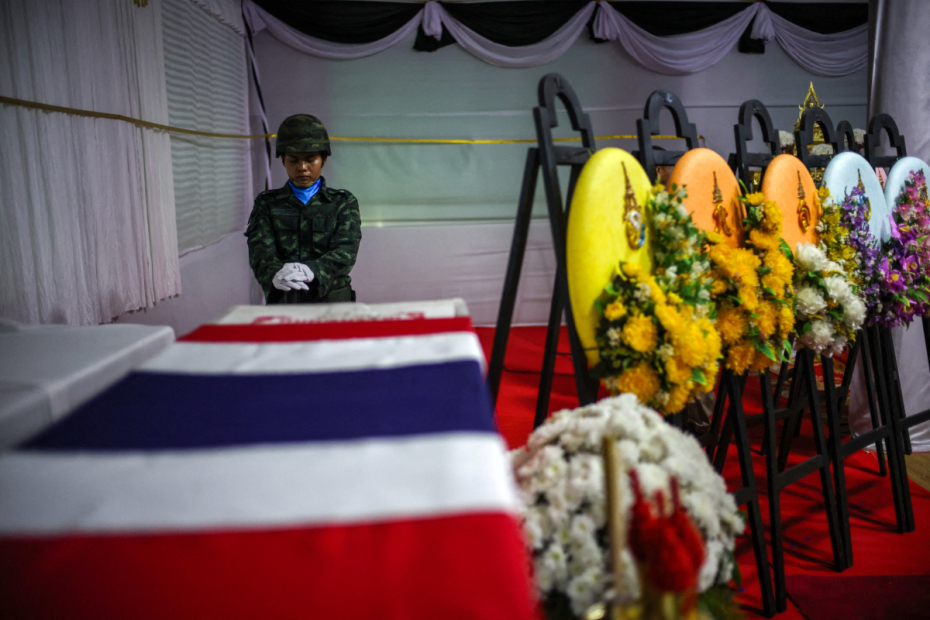
Reports indicate that multiple districts have been affected by the clashes, and thousands of civilians have fled to safer areas, highlighting the human cost of the continued fighting. The situation demonstrates the challenges of implementing ceasefires without direct oversight and formal agreements involving both parties.
The continued uncertainty also complicates regional security planning, as Thailand and Cambodia both remain on high alert and monitor each other’s troop movements closely.
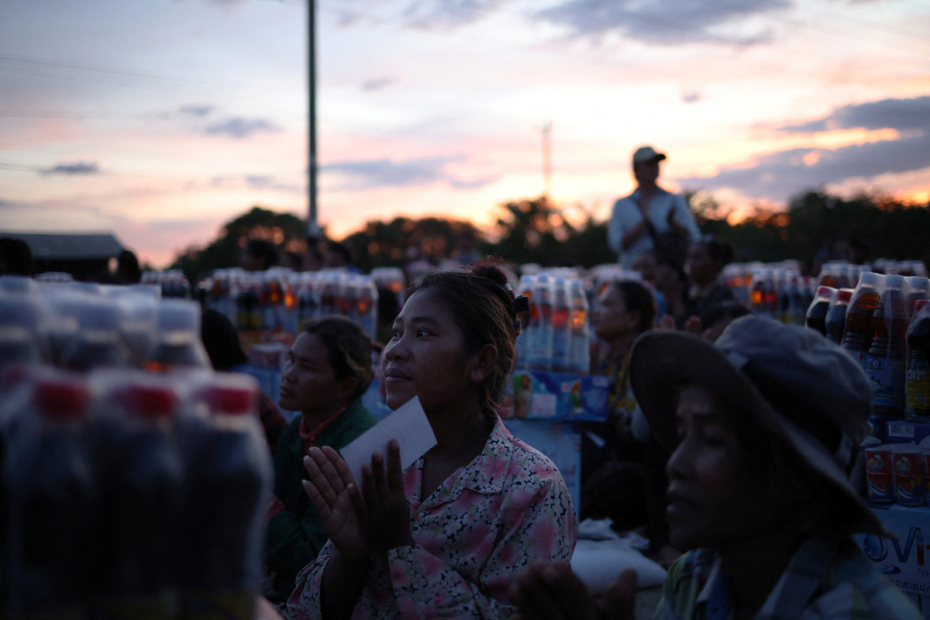
Civilians report disruptions in transport, markets, and access to essential services, with humanitarian organisations stepping in to provide shelter and relief.
While Trump’s statements highlight the symbolic weight of U.S. influence, the reality on the ground illustrates that political declarations cannot replace tangible coordination and enforcement, especially in volatile border regions.
ASEAN takes the lead
In response to the continued border clashes, Malaysia, in its role as ASEAN chair, has stepped forward to mediate between Thailand and Cambodia, highlighting the rising influence of regional organisations in managing security crises.
Malaysian Prime Minister Anwar Ibrahim has proposed a temporary halt to hostilities and facilitated the deployment of an ASEAN observer team to monitor the situation, with additional support from satellite monitoring provided by the United States.
ASEAN’s involvement represents a shift toward localised conflict resolution, allowing regional actors to directly influence outcomes and promote stability, rather than relying solely on interventions from global powers.
Thailand has expressed willingness to cooperate with the observer team, though it maintains that a formal ceasefire cannot be declared while hostilities continue, reflecting the delicate balance between diplomacy and operational realities.
According to Nawab, the crisis also signals a shift in perception: local populations and governments increasingly trust regional actors who understand their unique challenges over external powers perceived as pursuing broader geopolitical interests.
This dynamic underscores the evolving global landscape in which diplomacy, mediation, and conflict resolution are shared responsibilities, with regional organisations like ASEAN at the forefront.
"So this is not really, in my opinion, losing his influence, but it's also giving an importance to the multipolar world as well and also the recognition of the for the regional powers" Nawab said.














What is your opinion on this topic?
Leave the first comment