Thailand’s caretaker Prime Minister Anutin Charnvirakul said on Saturday (13 December) that Thai forces would continue military action along the Cambodia border until Bangkok believes there is no longer a threat to Thai territory or civilians.
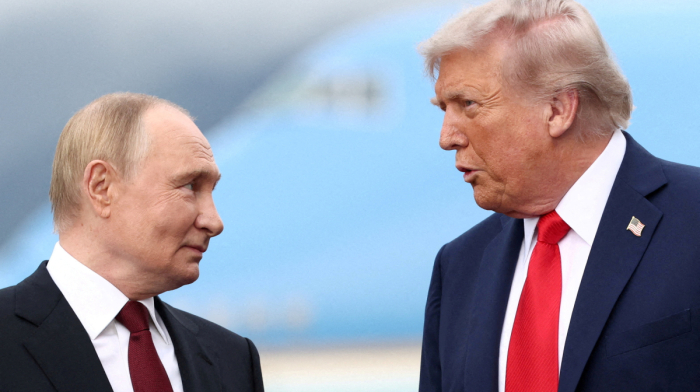
The comments came hours after Thailand launched air operations and after U.S. President Donald Trump said he had spoken to Anutin and Cambodian Prime Minister Hun Manet and secured agreement to ‘cease all shooting’. Neither leader publicly confirmed any such deal. Anutin said there was no ceasefire in place, writing online that Thailand’s actions ‘this morning’ made its position clear.
The White House said Trump expected all parties to honour commitments made during the talks and would hold anyone accountable “as necessary” to stop the killing and secure durable peace.
Hun Manet said on Saturday he welcomed a proposal from Malaysian Prime Minister Anwar Ibrahim, who has been acting as a mediator, to stop hostilities from Saturday evening. Anwar, as chair of ASEAN, urged both sides to refrain from further military action from 1500 GMT and said an ASEAN observer team led by Malaysia’s chief of defence forces would deploy to the border, with the U.S. government providing satellite monitoring support.
Thailand’s foreign minister said Bangkok would cooperate with the observer team but argued any ceasefire announcement must be preceded by talks, saying it could not simply be declared while fighting continued. Anutin also told reporters there had been no agreement to halt operations.
Thailand announced a curfew on Sunday in its south-eastern Trat province as fighting spread to coastal areas of the disputed border region. The curfew covers five districts bordering Koh Kong in Cambodia, but excludes the tourist islands of Koh Chang and Koh Kood. A curfew remains in place in the eastern Sakeo province.
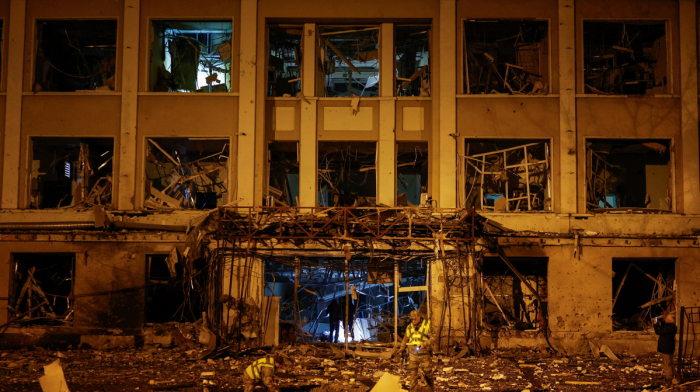
Thai forces on Saturday said they had destroyed a bridge that Cambodia had been using to deliver heavy weapons and other equipment to the region, and launched operations targeting pre-positioned artillery in Cambodia’s coastal Koh Kong province. Cambodia accused Thailand of striking civilian infrastructure.
The latest clashes are part of renewed heavy fighting along the 817km border. Thailand’s defence ministry reported exchanges across multiple provinces and said Cambodia’s use of heavy weapons made Thai retaliation necessary. Thai authorities said civilians were injured in Sisaket province.
Thailand and Cambodia have exchanged heavy-weapons fire since Monday, in some of the most intense fighting since a five-day clash in July, which ended with U.S. and Malaysian mediation. This round of fighting strains an October ceasefire framework linked to Trump’s earlier involvement. Thailand said it suspended implementation last month after a Thai soldier was maimed by a landmine that Bangkok alleges was newly laid by Cambodia, a claim Phnom Penh denies.
Hundreds of thousands of people have been displaced on both sides of the border since the latest escalation, as civilians seek shelter from the cross-border fire.










What is your opinion on this topic?
Leave the first comment