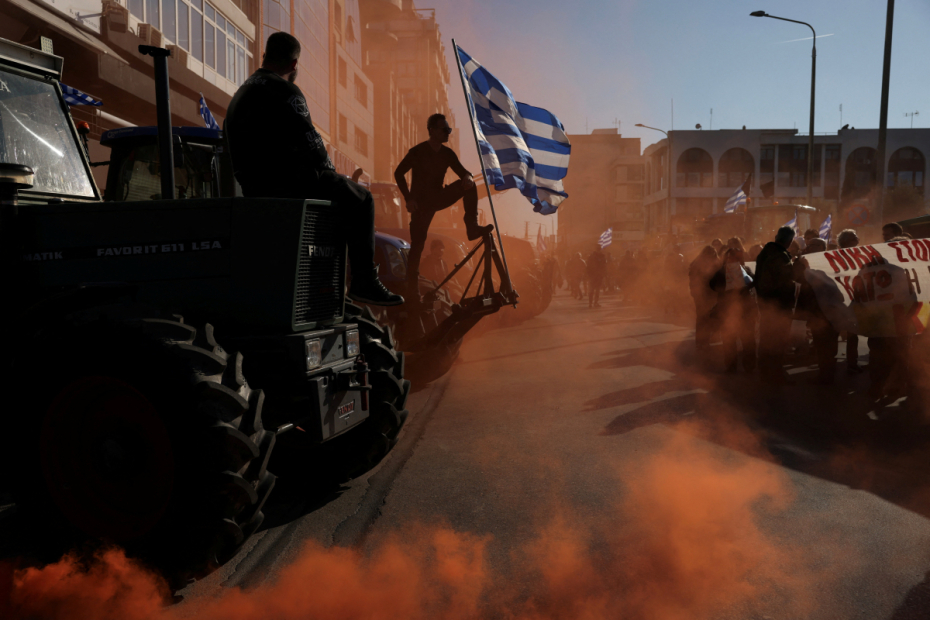
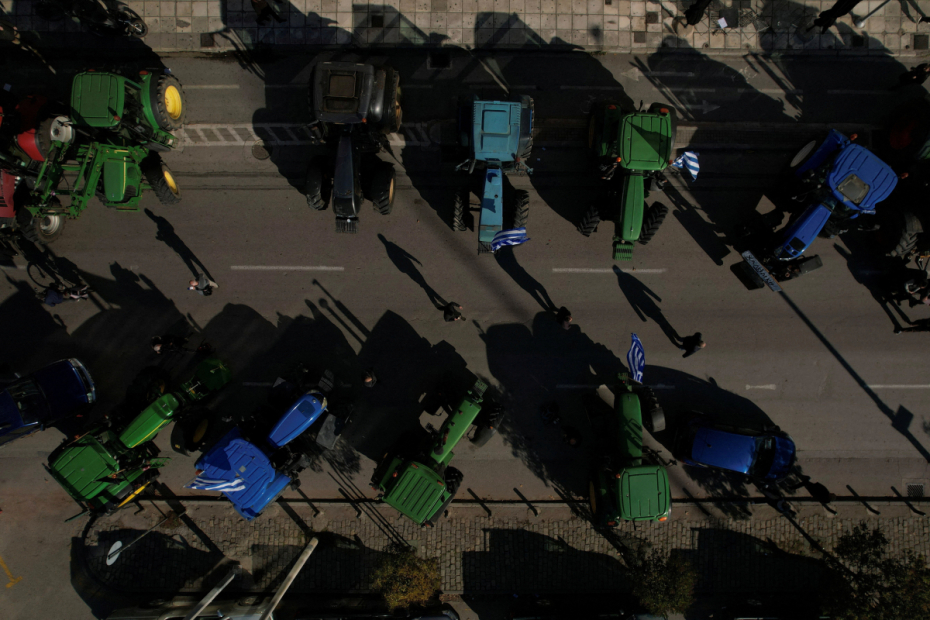
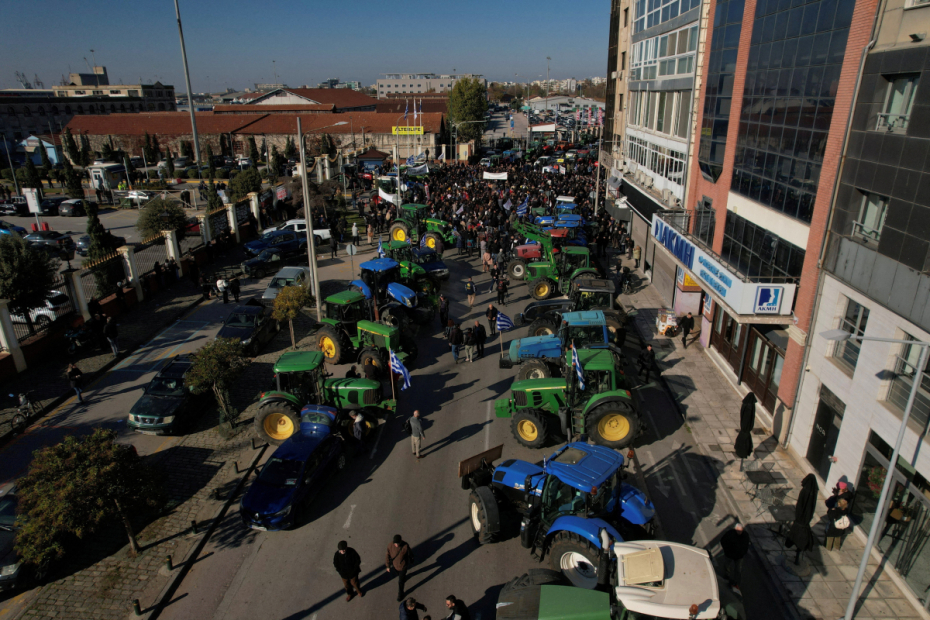
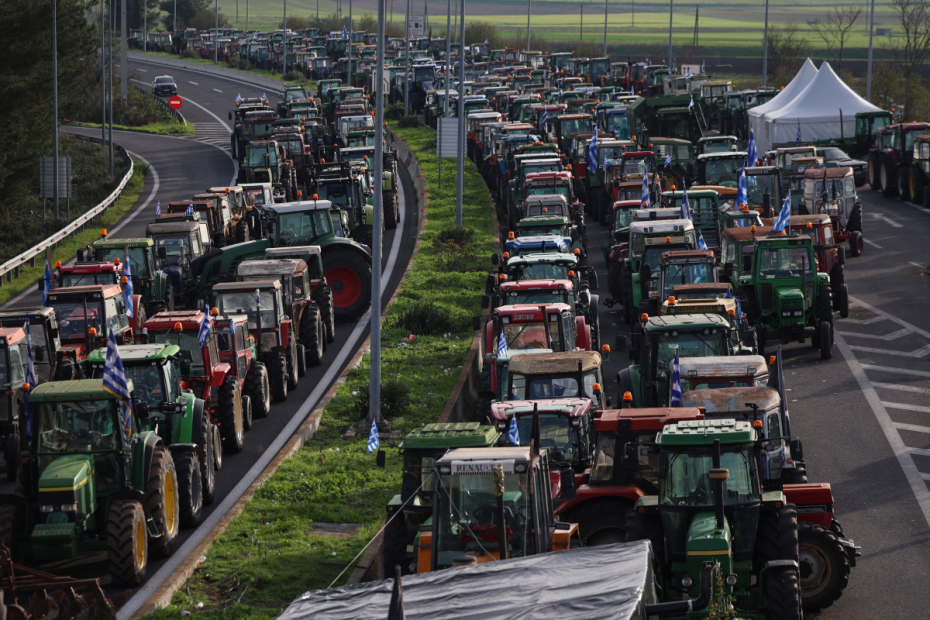
Greek farmers blocked the Port of Thessaloniki on Friday (12 December) as part of nationwide protests demanding delayed European Union subsidies and compensation for rising production costs and livestock losses.
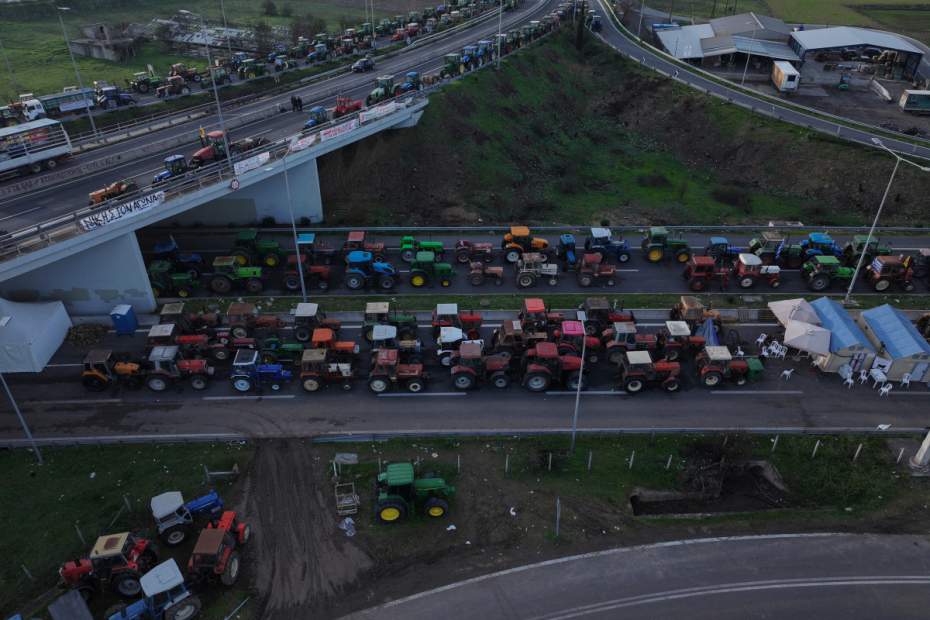
Thousands of tractors and trucks have been deployed at dozens of blockades across the country, with farmers facing a shortfall of more than $698.6 million (600 million euros) in EU subsidies and other payments.
Demonstrations have disrupted traffic along major motorways and intermittently restricted access at key border crossings, including Promachonas on the Bulgarian border.
The delays are linked to investigations into a corruption scandal in which some farmers, allegedly assisted by state employees, are suspected of falsifying land ownership and livestock declarations to qualify for payouts. Ongoing audits have slowed subsequent disbursements.
The funding holdups come as farmers and livestock breeders struggle with an outbreak of sheep pox that has led to the culling of hundreds of thousands of sheep and goats, further straining incomes.
At the port of Thessaloniki, a convoy of protesting farmers gathered under police supervision, using tractors, blaring horns and symbolic displays to draw attention to their demands. Farmers have said they will not lift blockades unless payments are released and broader financial pressures are addressed.
Prime Minister Kyriakos Mitsotakis’s centre-right government, under criticism over the subsidy scandal, said it is open to dialogue and urged farmers to end the protests.
Officials have acknowledged delays and said additional aid will be released this month, with farmers due to receive a total of 3.7 billion euros this year.
Despite those assurances, protests have continued. Farmers have warned of further action at transport hubs, while organisers said decisions on next steps would be taken in local assemblies.











What is your opinion on this topic?
Leave the first comment