Start your day informed with AnewZ Morning Brief: here are the top news stories for the 12th of December, covering the latest developments you need to know.
U.S. issues new sanctions on Maduro’s family and oil tankers
The United States has imposed fresh sanctions on Venezuela, targeting three nephews of President Nicolas Maduro and six crude oil tankers accused of facilitating the country’s illicit oil trade. This escalation coincides with a significant U.S. military buildup in the southern Caribbean and the recent seizure of a sanctioned oil tanker, as Washington intensifies pressure on Caracas. President Maduro’s government continues to deny criminal links, dismissing the measures as imperialist tactics designed to seize control of Venezuela's vast oil reserves.
Zelenskyy reveals U.S. proposal for ‘free economic zone’ in Donbas
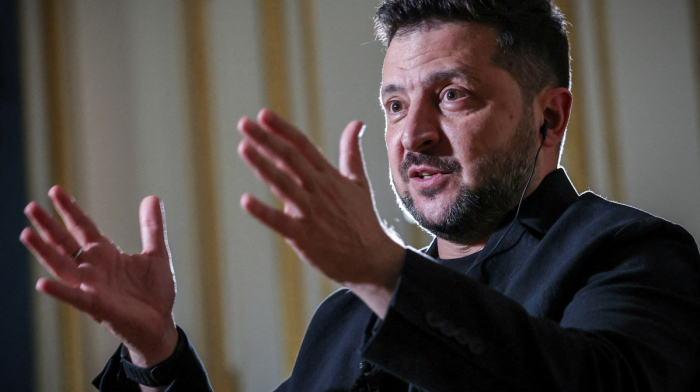
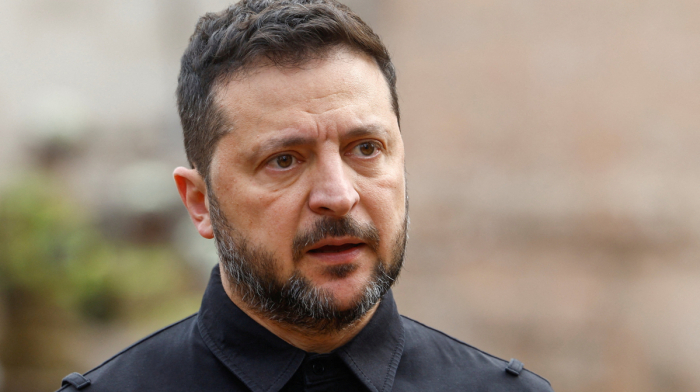
President Volodymyr Zelenskyy says that the United States has proposed creating a ‘free economic zone’ in the Ukraine-controlled parts of the Donbas as a compromise to resolve territorial disputes with Russia. While Kyiv has presented a revised 20-point peace framework, Zelenskyy emphasised that ceding territory remains a major sticking point and insisted that any land concessions would require a national referendum. The ongoing negotiations also include discussions on a potential Russian withdrawal from the Kharkiv and Sumy regions, freezing the contact lines in the south, and establishing joint governance over the Zaporizhzhia Nuclear Power Plant.
Thai PM to speak with Trump regarding Cambodia clashes
Thailand’s caretaker Prime Minister Anutin Charnvirakul is scheduled to hold talks with U.S. President Donald Trump regarding the ongoing border clashes with Cambodia, which have resulted in at least 20 casualties. Trump, who previously brokered a ceasefire between the two nations, has pledged to intervene again to halt the violence along the 817-km disputed border. The conflict involves heavy artillery exchanges and has displaced hundreds of thousands, prompting the U.S. President to assert his confidence in getting the ceasefire back on track.
Turkic States mark new era in energy cooperation
Energy ministers from the Turkic States have agreed to a new phase of collaboration focused on expanding joint investments in oil, gas, and green energy projects. During a meeting in Türkiye, Azerbaijan’s Minister of Energy Parviz Shahbazov highlighted the strategic importance of the Baku-Tbilisi-Ceyhan pipeline and the development of a ‘Green Energy Corridor’ connecting Central Asia to Europe. With a joint investment portfolio exceeding $20 billion heavily concentrated in the energy sector, the ministers reaffirmed their commitment to regional energy security and sustainable economic growth.
Pakistan signals openness to regional bloc with Bangladesh
Pakistan has expressed openness to establishing a regional bloc with Bangladesh that excludes India, following a proposal by Bangladesh’s Foreign Affairs Adviser, Md Touhid Hossain. Islamabad’s Foreign Office confirmed it would consider such a proposal in the spirit of multilateralism, noting that a trilateral mechanism involving China, Pakistan, and Bangladesh is already in place to foster cooperation. While Bangladesh views this arrangement as strategically feasible, it acknowledged that other neighbours such as Nepal or Bhutan would likely remain unable to join a grouping without India.









What is your opinion on this topic?
Leave the first comment