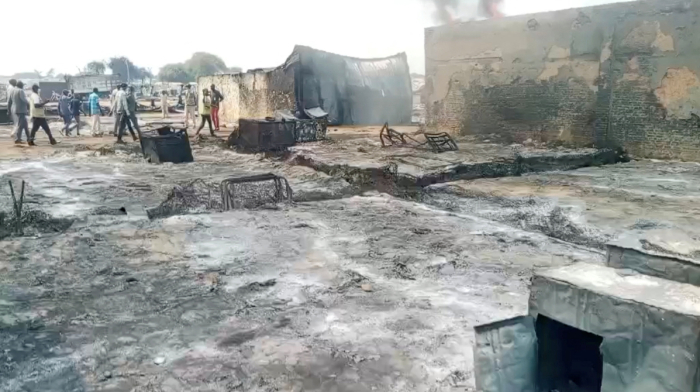
Drone attack sparks fire at power station in northern Sudan
A drone strike hit a power station in northern Sudan early Sunday (1 November), sparking a fire and triggering loud explosions, witnesses said....
Thailand’s Prime Minister Anutin Charnvirakul has dissolved parliament, paving the way for snap elections as early as February, following a rift with the opposition People’s Party and amid rising political turmoil and ongoing border clashes with Cambodia.
The dissolution of parliament, endorsed by Thailand’s King Maha Vajiralongkorn, accelerates the timeline for elections, which must be held within 45 to 60 days. Initially, Anutin had planned for elections in March or April, but his decision now brings them forward.
Anutin’s move comes after a growing rift with the opposition People’s Party, which had been pushing for constitutional amendments as part of a deal to support Anutin’s government. Siripong Angkasakulkiat, a government spokesperson, stated that the inability to move forward in parliament prompted the decision to dissolve it.
While the political landscape shifts, Thailand is also grappling with intense border clashes with Cambodia. For the past four days, the fighting has raged along the 817 km border, resulting in at least 20 deaths, nearly 200 injuries, and displacing hundreds of thousands of people. Anutin reassured reporters that the dissolution would not impact military operations along the frontier.
Anutin, Thailand’s third prime minister since August 2023, now faces an uphill struggle to secure re-election. The country’s political instability, combined with economic challenges such as high household debt and weak consumption, has put additional pressure on his government.
The People’s Party, which had initially backed Anutin’s rise to power, accused his Bhumjaithai Party of failing to honor their agreement, particularly regarding a referendum on constitutional amendments. Natthaphong Ruengpanyawut, leader of the People’s Party, expressed disappointment that the Bhumjaithai Party had not followed through on their pact, which had been crucial for their support.
As Thailand moves toward elections, the political uncertainty, compounded by the ongoing border conflict, continues to impact the country’s stability and economic outlook.
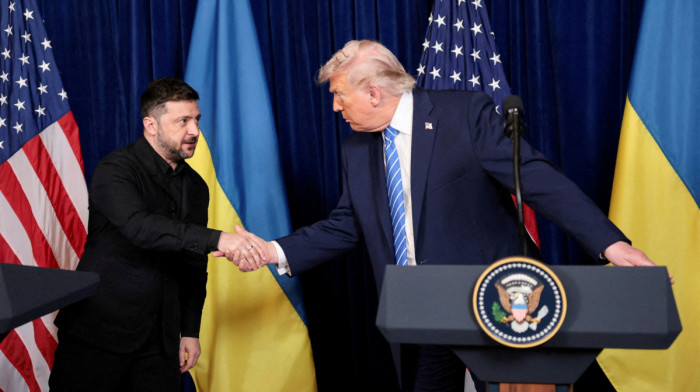
The U.S. has approved the sale of 500 Patriot PAC-3 missiles to Ukraine in a deal worth an estimated $2.1 billion, but Kyiv could face years of delays before receiving the weapons it urgently needs to defend against intensifying Russian attacks.
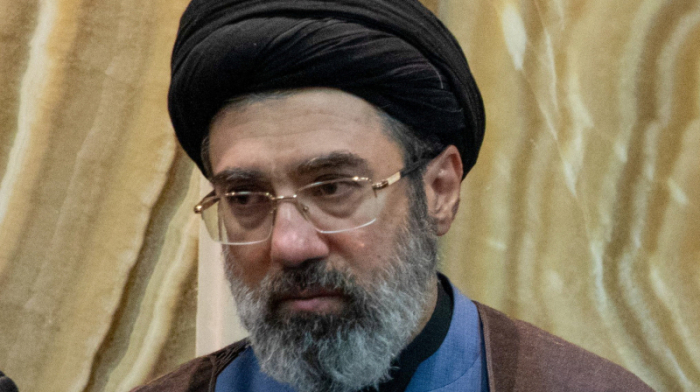
Iranian Supreme Leader Ayatollah Khamenei has ordered Iran's armed forces to respond to any threat immediately and without geographical limits in statements posted to social media platforms on Saturday (31 October).
Demonstrators carrying Iranian flags and placards supporting the hijab gathered outside the Azerbaijani Embassy in London.
A Chinese-made AI chip has matched Nvidia’s H200 in tests conducted by its developer, marking a potential breakthrough in China’s efforts to reduce its dependence on foreign technology.
A hacking group linked to North Korea is widely believed to be behind the theft of $6.3 billion from cryptocurrency giant Binance, a cyberattack that experts describe as the largest cryptocurrency heist on record.
A drone strike hit a power station in northern Sudan early Sunday (1 November), sparking a fire and triggering loud explosions, witnesses said.
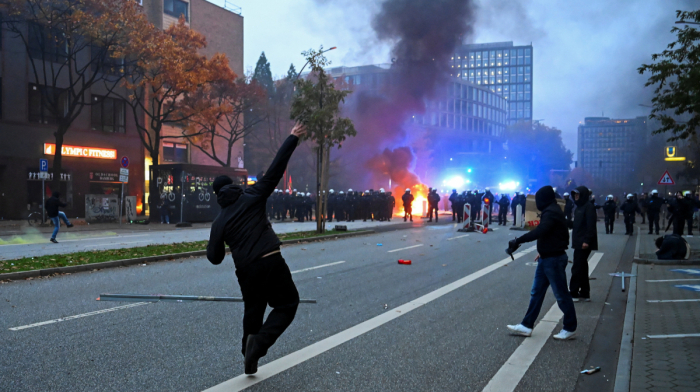
Gen Z protests swept 34 German cities on Saturday (31 October) over education, living costs and military service proposals. Violence erupted in Frankfurt, where shops were looted and police reported Molotov cocktail attacks.
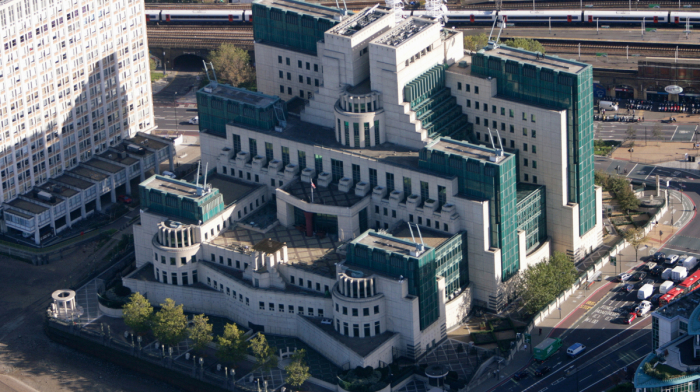
Iran designated Britain's Royal Navy and Royal Air Force as terrorist organisations on Sunday, (1 November), and classified the country's foreign intelligence agency, MI6, as a hostile group, according to a statement from the Iranian Foreign Ministry.
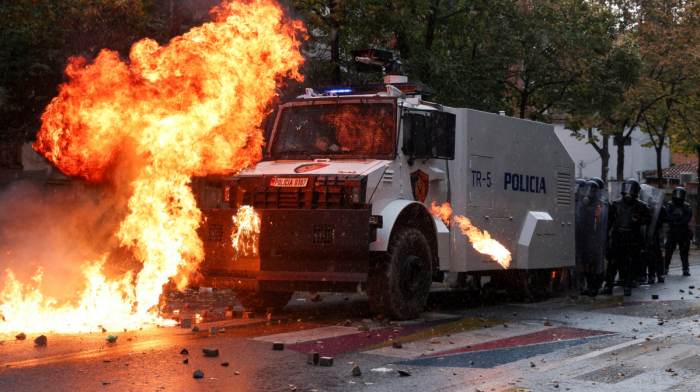
Thousands protested in Albania's capital, Tirana, on Saturday (31 October), demanding Prime Minister Edi Rama's resignation over perceived corruption allegations and dissatisfaction with the government over a lack of jobs and poor education standards.
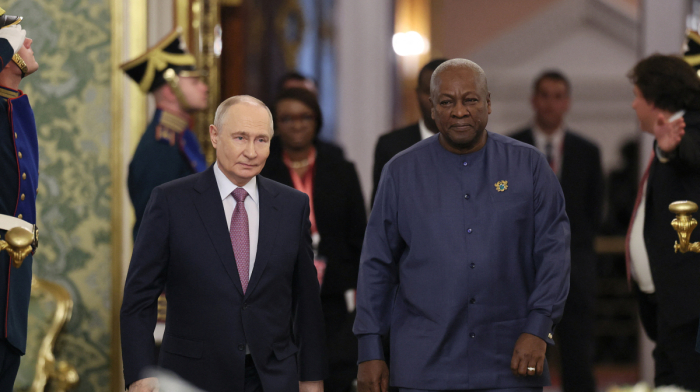
Russia has agreed to work with Ghana on developing a 2,000-megawatt nuclear power plant following talks at the Russia-Africa Summit in Moscow, Ghanaian Foreign Minister Samuel Okudzeto Ablakwa said on Saturday.
You can download the AnewZ application from Play Store and the App Store.
What is your opinion on this topic?
Leave the first comment