Ukraine faces a narrowing diplomatic space as pressure builds around U.S. backed peace proposals, warning that the structure of the conflict may leave little room to avoid difficult territorial choices.
The foundations of the conflict are shaping the limits of any future settlement, regardless of the pace or tone of negotiations according to Political analyst Ana Evans.
She told AnewZ that the debate over territorial concessions has re-emerged because the military and political balance has not shifted enough to force Russia to accept terms that mirror Ukraine’s position.
“The problem is that there is no way that this conflict will end without territorial concessions,” she said. “The point is how much of territorial concessions and where.”
Evans argues that as long as Russia has not suffered a decisive defeat, there is no historical precedent for a full withdrawal without something tangible to justify domestic costs.
“When there is no capitulation, there is no reason for a leader to give up territory without something to show for the losses.”
Ukraine is preparing a revised peace plan for Washington, following urgent talks in London with the leaders of Britain, France and Germany.
Kyiv hopes to rebalance a U.S. draft that several European officials viewed as favourable to Moscow. President Volodymyr Zelenskyy confirmed that the most difficult issue remains unresolved: Ukraine will not agree to surrender land, even as Russia insists that territorial recognition must form the core of any settlement.
Evans says this gap between political reality and diplomatic ambition is what complicates the search for a ceasefire. Without a shift in the military situation, she believes Moscow’s incentives remain unchanged.
“There’s no way without a military capitulation that President Putin will go out of Ukraine without bringing territorial concessions with him. Otherwise, how can he explain three and a half years of casualties and economic strain to his population?”
Western signals have become an additional layer of pressure. The publication of a U.S. ceasefire outline has sharpened concerns in Europe that Kyiv could be pushed toward terms that reinforce Russian demands.
Trump’s envoys travelled to Moscow before holding several days of talks with Ukrainian officials, but no breakthrough followed.
Zelenskyy described the discussions as difficult, while Trump voiced disappointment at Ukraine’s response to the latest U.S. backed proposals.
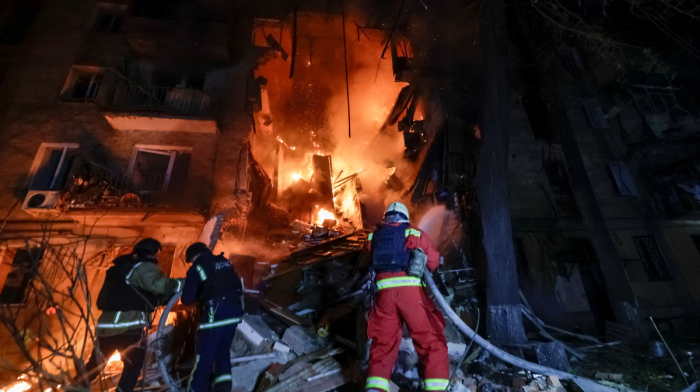
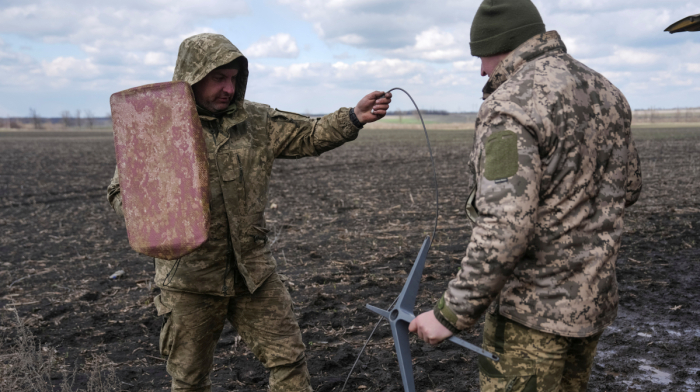
For Kyiv, the timing is particularly challenging. Russian forces are pushing forward in the east, and repeated strikes on energy infrastructure are leaving cities with prolonged power cuts.
Zelenskyy says the next phase of diplomacy will focus on air defence, long term financial support and a unified negotiating position with both Europe and the U.S., noting that some decisions cannot be made without both partners aligned.
Evans says the outcome will depend on whether diplomacy can change incentives rather than simply formalise existing positions.
“The only way to finish the conflict, to achieve a ceasefire, is to convince both parties that they will gain more by stopping now than by continuing to fight,” she said.
Whether this can be achieved without addressing territorial claims remains the question Ukraine and its partners are struggling to answer.











What is your opinion on this topic?
Leave the first comment