



15:42 CET
Russia-Ukraine
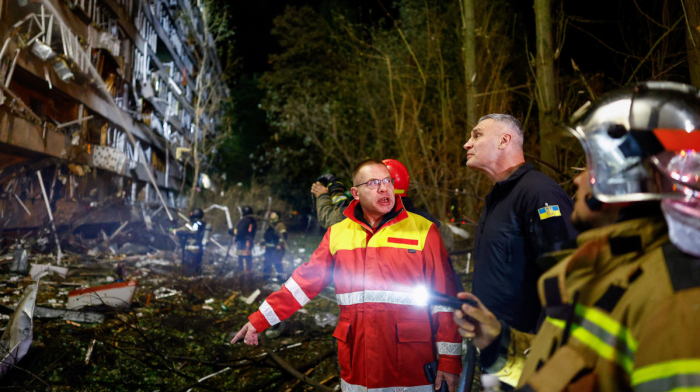
live Russian strikes kill three, damage dozens of power facilities
Russian strikes killed ...


Ukraine will hand the United States a revised 20 point peace plan on Tuesday, as President Volodymyr Zelenskyy and key European leaders work to steer Washington’s ceasefire framework away from concessions they fear could lock in Russian territorial gains.
The push follows a hastily arranged meeting in London on Monday between Zelenskyy, British Prime Minister Keir Starmer, French President Emmanuel Macron and German Chancellor Friedrich Merz. The goal was clear: present a unified European front before the next stage of discussions with U.S. negotiators.
Kyiv is under pressure from the White House to move quickly toward a settlement as the conflict approaches its four-year mark. But European leaders believe the current U.S. backed draft leans too far toward Moscow’s demands, particularly on territory.
Zelenskyy confirmed the new plan contains 20 points and emphasised that Ukraine will not concede any of its land. He said Washington’s current “mood” is geared toward compromise, but the territorial question remains unresolved: “Of course, there are complex issues related to the territory, and a compromise has not yet been found there.”
Brussels backs Ukraine’s sovereignty and long-term security
After the London talks, Zelenskyy flew to Brussels for meetings with European Commission President Ursula von der Leyen, European Council President Antonio Costa and NATO Secretary-General Mark Rutte. All three reiterated in public messages that any peace deal must respect Ukraine’s sovereignty and ensure its long-term security guarantees.
Zelenskyy described the discussions as “good and productive,” saying Kyiv, the EU and NATO were acting in a coordinated and constructive manner.
European capitals are also pushing for stronger economic pressure on Moscow. A British government source said the London meeting reviewed proposals to use the value of Russian assets frozen in Western jurisdictions. Leaders from Estonia, Finland, Ireland, Latvia, Lithuania, Poland and Sweden have urged the EU to move quickly on a stalled initiative to channel proceeds from those assets to support Ukraine.
U.S. security guarantees and fears of an imbalanced deal
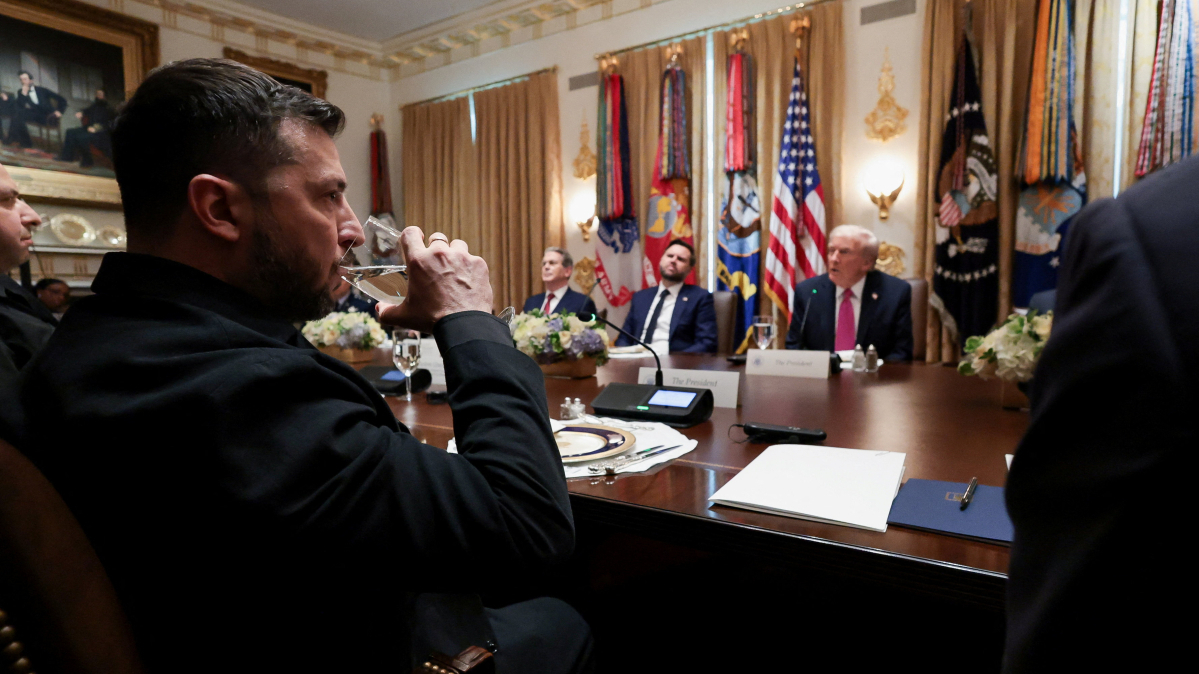
Starmer, Macron, Merz and Zelenskyy are simultaneously trying to secure robust U.S. security guarantees that could help deter future Russian attacks. The publication of a U.S. ceasefire outline last month increased concern among European governments that Kyiv might be pushed into accepting terms that disadvantage Ukraine and create long-term instability on the continent.
For now, neither Ukraine nor Russia has shown willingness to sign the U.S. framework. American officials insist they are close to finalising a version of the deal, but gaps remain wide. “We stand with Ukraine and, if there was to be a ceasefire, it has to be a just and lasting ceasefire,” Starmer said at Downing Street. Macron and Merz echoed that sentiment, calling the current moment “decisive”.
Zelenskyy acknowledged the difficult task of keeping both Washington and European partners aligned: “There are some things we can’t manage without the Americans, things we can’t manage without Europe; that’s why we need to make some important decisions.”
Kyiv’s priorities for the next diplomatic phase
In a video address on Sunday, Zelenskyy told Ukrainians that a “new diplomatic week” was beginning. He said the focus would be on security guarantees, bolstering resilience, securing air defence and ensuring long-term financial support. Establishing common positions with allies ahead of negotiations is central to Kyiv’s strategy.
The diplomatic pressure comes at a challenging moment on the ground. Russian forces are pushing forward in the east, while intensified missile and drone strikes on energy plants and critical infrastructure have led to prolonged blackouts across Ukrainian cities.
U.S. envoys shuttle between Moscow, Miami and Kyiv
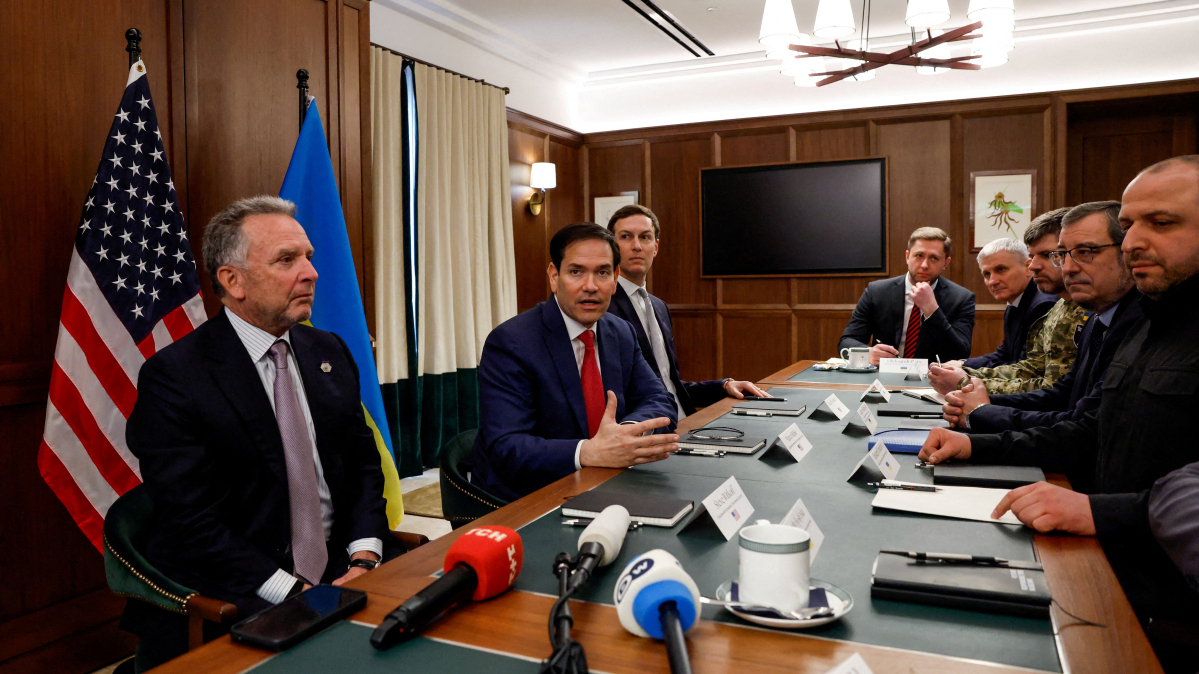
Washington’s latest engagement has been led by Trump’s envoy Steve Witkoff and Jared Kushner. They brought an updated proposal to Moscow last week, then held several days of talks with Ukrainian officials in Miami. Those meetings ended on Saturday with no breakthrough.
Zelenskyy said the conversations were constructive but difficult. Trump expressed frustration on Sunday, saying he was “disappointed” with Zelenskyy and accusing him of not fully reviewing the latest U.S. proposals.
Ukraine’s revised plan, the U.S. framework and Russia’s territorial demands remain far apart. As Kyiv prepares to present its updated document, the next rounds of diplomacy will determine whether a ceasefire can emerge that meets Ukraine’s core red lines and satisfies both European and U.S. expectations for a durable settlement.

Russian strikes killed ...
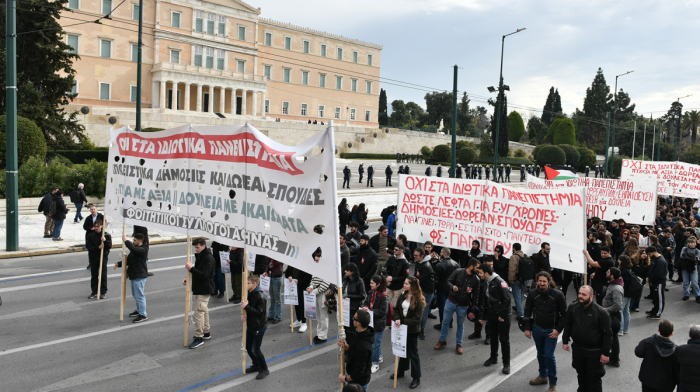
Greek students braved heavy rain to pitch tents outside parliament in Athens on Tuesday, demanding affordable housing and more education funding as...
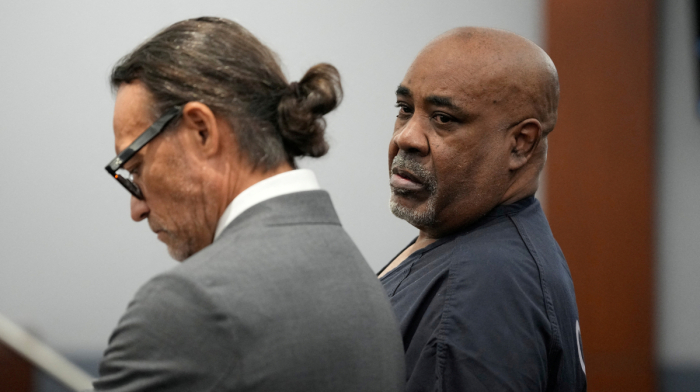
A former gang leader ...

The Saudi-led coalition in Yemen said late Monday that it intercepted and destroyed two ballistic missiles launched by the Houthi group toward Khamis Mushait in southwestern Saudi Arabia.

Yemen’s Houthis have claimed responsibility for the recent drone and missile strikes on Saudi Aramco facilities in Dhahran and Riyadh and at King Khalid International Airport in Saudi Arabia, vowing to carry out more attacks in the coming days.
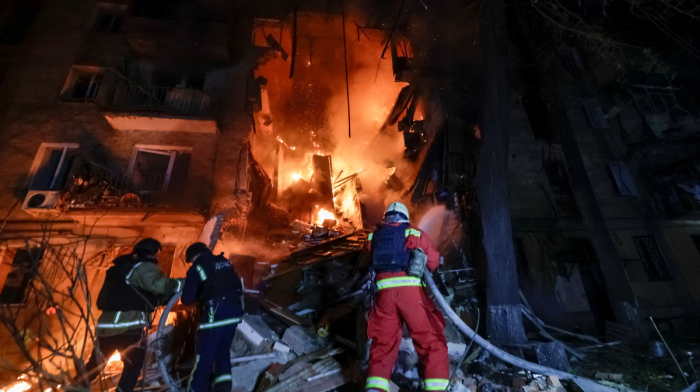
Ukrainian President Volodymyr Zelenskyy says Russia hit at least six energy targets in deadly strikes across Ukraine, showing Moscow is unwilling to accept the energy ceasefire announced by U.S. President Donald Trump.
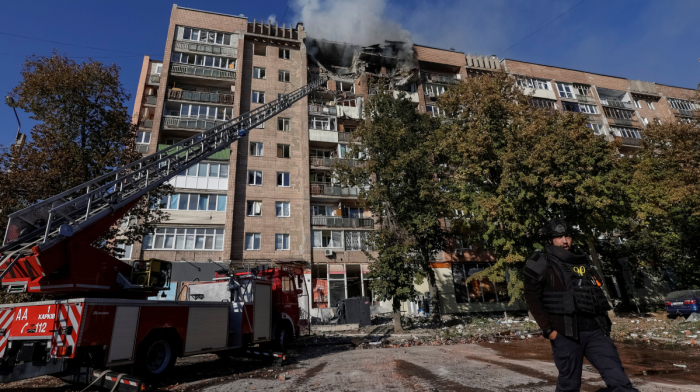
The Kremlin on Monday rejected a 60-day ceasefire idea proposed by Ukrainian President Volodymyr Zelenskyy to allow his country to hold presidential elections, saying it wanted an overall peace deal instead.
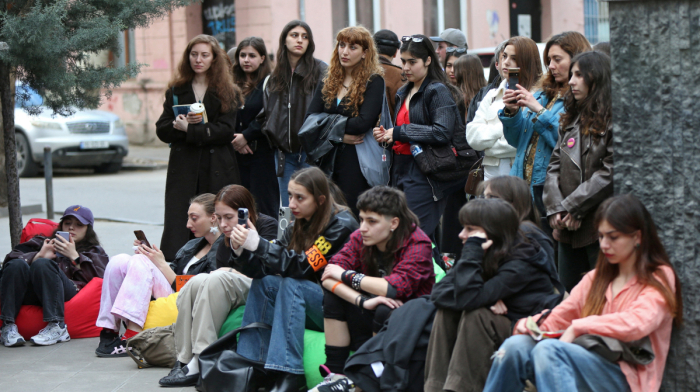
Thousands of young Georgians leave the country each year in search of better economic opportunities, with many moving west. As questions grow over Georgia’s European path, AnewZ spoke to people who have emigrated about what it would take for them to return.
Greek students braved heavy rain to pitch tents outside parliament in Athens on Tuesday, demanding affordable housing and more education funding as rising living costs put university places beyond the reach of some students.
Russian strikes killed three people in Kyiv and plunged hundreds of thousands into darkness overnight, authorities said on Wednesday, in an attack President Volodymyr Zelenskyy called “ostentatious disrespect” to Donald Trump's peace effort.

A former Ukrainian military officer has gone on trial in Germany, accused of orchestrating the 2022 Nord Stream pipeline explosions that disrupted a major route for Russian gas supplies to Europe.
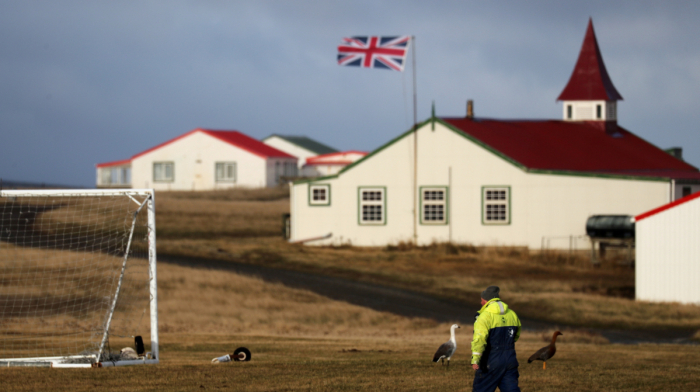
Argentina has asked the International Tribunal for the Law of the Sea, a judicial body which settles maritime disputes, to halt British-authorised oil activity near the Falkland Islands, escalating a sovereignty dispute over the archipelago in the South Atlantic Ocean.
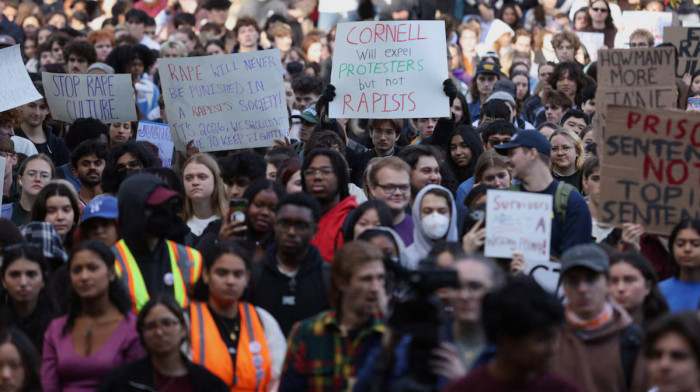
Cornell University has prohibited parties and social gatherings at fraternity houses for the remainder of the academic year following allegations of gang rape in 2024, as criticism mounts over the institution’s handling of the case.
You can download the AnewZ application from Play Store and the App Store.




What is your opinion on this topic?
Leave the first comment