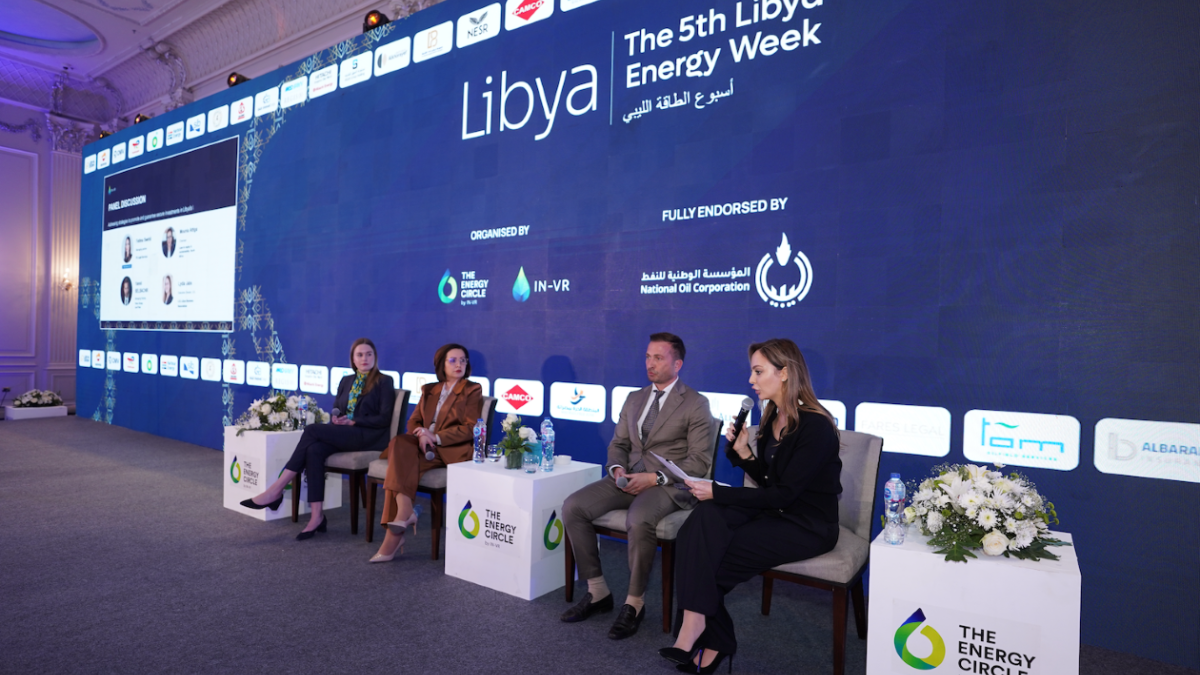
Greetings from Tripoli — a city that stands at the heart of Africa’s energy landscape and today hosts one of the continent’s key regional gatherings: the Libya–Africa International Gas Forum 2025.
Held on 6 and 7 December under the high patronage of the Libyan Ministry of Oil & Gas and the National Oil Corporation, this Forum brings together senior policymakers, major energy companies, and international investors to redefine Libya’s role in Africa’s energy future.
Libya, despite years of political turbulence, remains an energy giant. The country holds the largest proven oil reserves in Africa and significant untapped gas potential — resources that could transform both its domestic economy and regional energy architecture. At a time when Africa is working to integrate its energy markets and Europe seeks to diversify supply routes, Tripoli is using this platform to signal readiness for renewed cooperation and long-term investment.
What makes this gathering unique is the united presence of Libya’s leading institutions alongside delegations from across Africa, the Middle East, Europe, and global financial organisations. Their aim is to evaluate whether Libya can translate its natural wealth into modernised infrastructure, reliable export corridors, and stable partnerships capable of supporting Africa’s broader energy ambitions.
Throughout the sessions, speakers emphasised the same priorities — strengthening regulatory frameworks, rebuilding investor confidence, and accelerating the adoption of advanced technologies. For Libya, this Forum is far more than a business meeting; it is a strategic moment to move from years of fragmentation toward a coherent, forward-looking economic model built on gas and energy diversification.
Expectations are high. Many anticipate that the discussions underway may lead to new exploration deals, technology transfers, and investment commitments that bolster Africa’s collective energy security. For Libya, tangible outcomes here could mark a turning point — reaffirming its position as a central player in both African and Mediterranean energy networks.











What is your opinion on this topic?
Leave the first comment