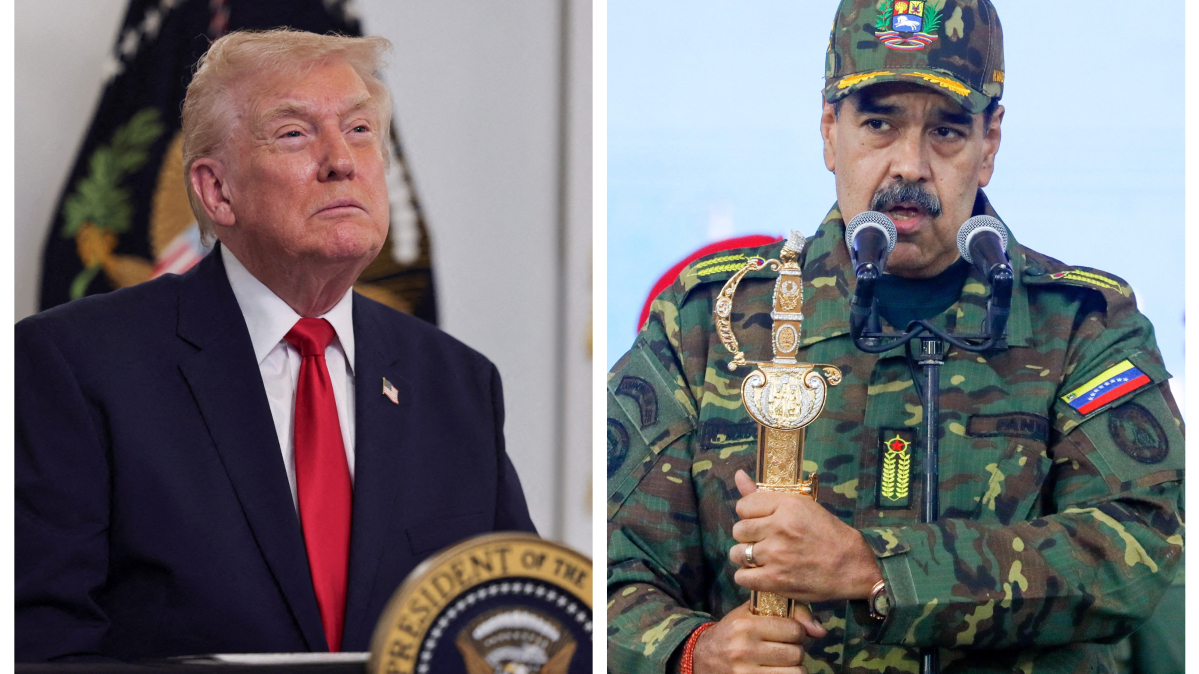
President Nicolas Maduro on Tuesday approved a migrant repatriation flight from the United Sates days after Caracas said comments by U.S. President Donald Trump had effectively halted the programme.
Nevertheless, Venezuela is entering a more restrictive period as diplomatic, commercial and transport links narrow simultaneously.
The most visible shift is in aviation. In late November the government revoked the permits of Iberia, TAP, Avianca, Latam Colombia, Turkish Airlines and Gol after they suspended operations.
Their decisions followed a U.S. Federal Aviation Administration advisory urging airlines to avoid Venezuelan airspace due to increased military activity in the Caribbean.
The loss of operating rights has sharply reduced international connectivity. Only a few regional carriers maintain limited flights, and Caracas’ main airport now handles far fewer passenger and cargo movements.
This has added pressure to supply chains that rely on air freight for medicines, specialised equipment and time sensitive goods.
Importers report longer routes, higher costs and reduced availability of direct connections, with some shipments rerouted through Colombia and Panama.
These disruptions coincide with a fragile economic backdrop. Oil exports, Venezuela’s primary revenue source, fell sharply in October after a brief increase in September driven by stored crude and additional diluent shipments.
Exports dropped by more than a quarter to around 808,000 barrels per day as inventories and refining inputs declined.
Lower output constrains the government’s ability to import essential goods, and suppliers report increasing difficulty securing pharmaceuticals, spare parts and industrial materials.
Efforts to revive coal production through joint ventures have resumed some activity, but logistics remain inconsistent.
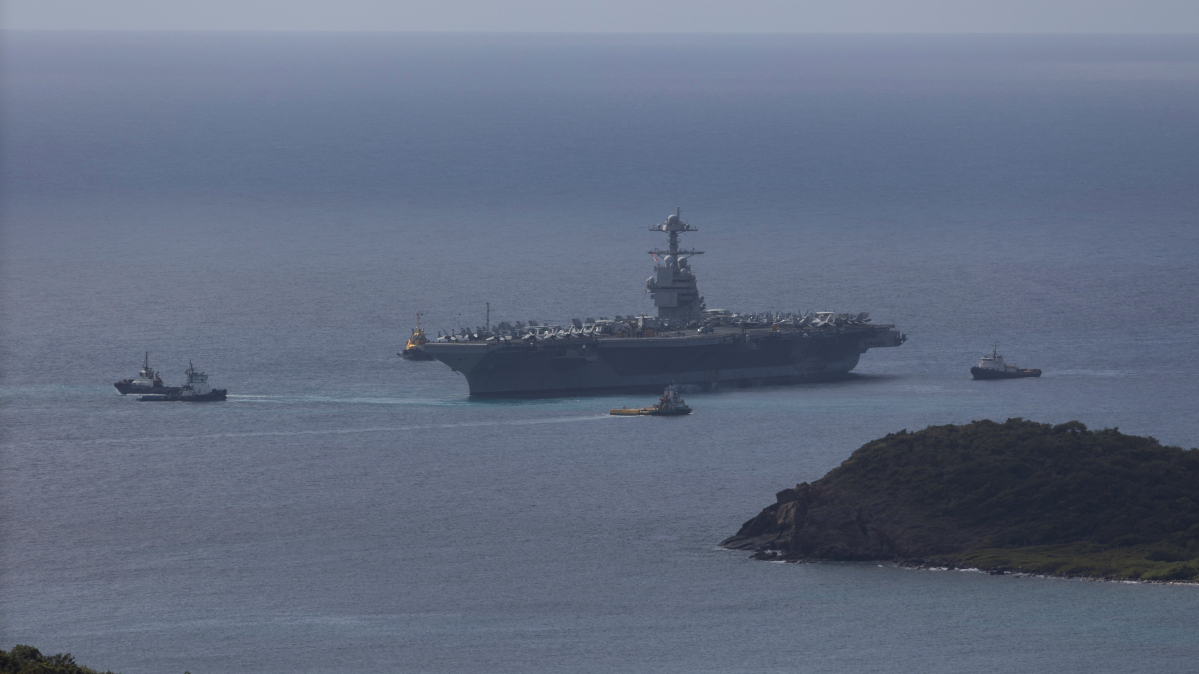
An expanded U.S. naval presence in the Caribbean, described by Washington as counter narcotics operations, has influenced shipping routes and coincided with temporary export interruptions.
Domestically, inflation continues to limit purchasing power, wages lag behind price growth, and reliance on remittances has increased.
Electricity and water disruptions remain common across several regions. The healthcare sector, dependent on imported supplies, faces longer procurement timelines as air cargo options diminish, increasing risks of shortages.
Regional dynamics add further strain. The United States has stepped up naval and aerial activity, while Venezuelan officials dispute Washington’s justification.
Neighbouring countries report rising migration linked to service limitations, shortages and reduced employment prospects. The overall outlook is defined by reduced transport links, volatile export capacity and ongoing humanitarian pressure.
















What is your opinion on this topic?
Leave the first comment