Russia increases pressure on Armenia ahead of election
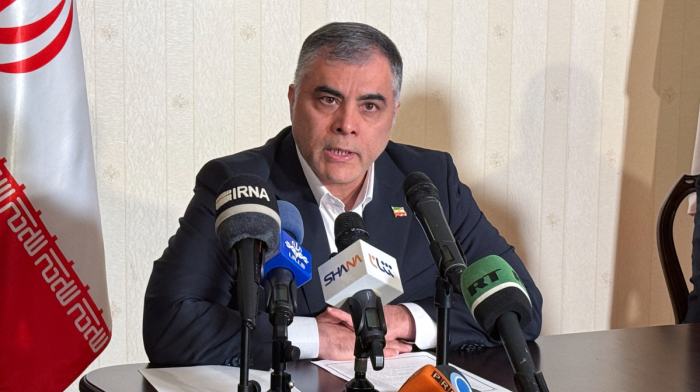
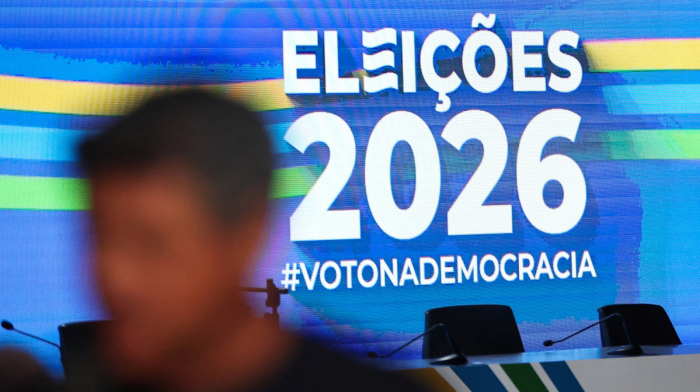
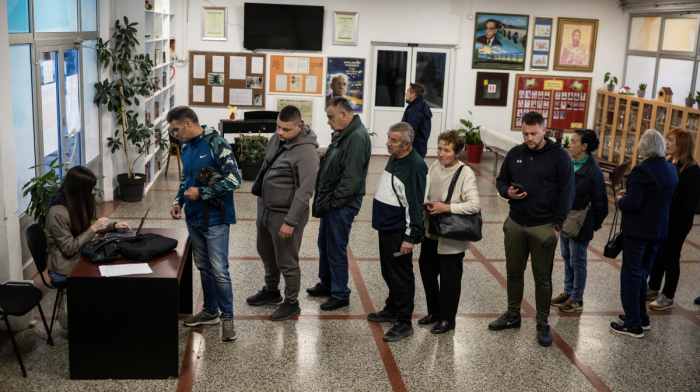
As Armenia approaches parliamentary elections, Russia appears to be increasing political and economic pressure on Yerevan, signalling that closer inte...
The International Monetary Fund (IMF) has reached a staff-level agreement with Ukraine to provide $8.2 billion over four years under a renewed Extended Fund Facility (EFF) programme.
The funding is intended to support Ukraine’s economic stability from 2026 to 2029 amid the ongoing war with Russia. The IMF said the programme includes fiscal and monetary policies aimed at maintaining macroeconomic stability, restoring debt sustainability, tackling corruption, and improving governance.
Under the current $15 billion IMF programme, Ukraine has already received $10.6 billion.
Kyiv requested additional support in September 2025 as the country faces a sharp decline in foreign aid while spending nearly all domestic revenues on military operations, with the 2026 draft budget allocating approximately $62.8 billion to defence.
The country still needs $61 billion to cover pensions, schools, hospitals, and other public services in 2026 and 2027.
The IMF highlighted the importance of prompt donor support to avoid liquidity strains, noting that the programme will be recalibrated based on progress toward a durable peace. Ukraine must also complete specific reforms to access the funding, including strengthening independent anti-corruption institutions, increasing competition in public procurement, broadening the tax base, and preventing tax fraud.
The extended funding requires approval from the IMF’s Executive Board and depends on Kyiv meeting prior reform conditions and securing assurances from international donors.
The announcement comes as the European Union prepares a legal framework for a reparations loan, leveraging frozen Russian central bank reserves, while Ukraine continues negotiations on U.S. President Donald Trump’s 28-point peace plan.

Police officers were pelted with missiles during violent clashes at a protest near the Southampton, UK, home of convicted murderer Vickrum Digwa, as anger continued to grow over the handling of the fatal stabbing of 18-year-old Henry Nowak.
Competing narratives continue to shape perceptions of the war in Ukraine, with Russian leadership suggesting a possible end phase while Ukrainian officials warn of renewed large-scale attacks and ongoing escalation risks.
Severe Tropical Storm Jangmi brought heavy rain, power cuts and transport disruption across Japan on Wednesday (3 June) as it tracked towards the greater Tokyo region.
An Iranian drone and missile attack struck Kuwait International Airport early Wednesday, injuring several people, damaging Terminal 1 and forcing flight diversions, Kuwaiti authorities said.
Global weather forecasters predict a strong El Niño will develop in the second half of 2026, bringing hotter, drier conditions to much of Asia while increasing rainfall in parts of North and South America.
Thousands of people have taken to the streets in Albania in recent days to protest against a luxury tourism project linked to Jared Kushner, the son-in-law of U.S. President Donald Trump, and his wife Ivanka Trump.
Bolivia’s Defence Minister has resigned amid widening unrest over government austerity measures, which have led to protesters blocking roads into the country’s two largest cities.
Severe Tropical Storm Jangmi brought heavy rain, power cuts and transport disruption across Japan on Wednesday (3 June) as it tracked towards the greater Tokyo region.
Start your day informed with the AnewZ Morning Brief. Here are the top stories for the 3 June, covering the latest developments you need to know.
Russian drones and missiles pounded the Ukrainian capital Kyiv and other cities early on Tuesday, killing at least 23 people and wounding more than 100, authorities said, following days of warnings about Moscow's plans for a major assault.
You can download the AnewZ application from Play Store and the App Store.
What is your opinion on this topic?
Leave the first comment