Iran unveils underground missile base ahead of renewed U.S. nuclear talks
Iran’s Islamic Revolutionary Guard Corps (IRGC) unveiled a new underground ballistic missile base on Wednesday (4 February), just over a day before ...
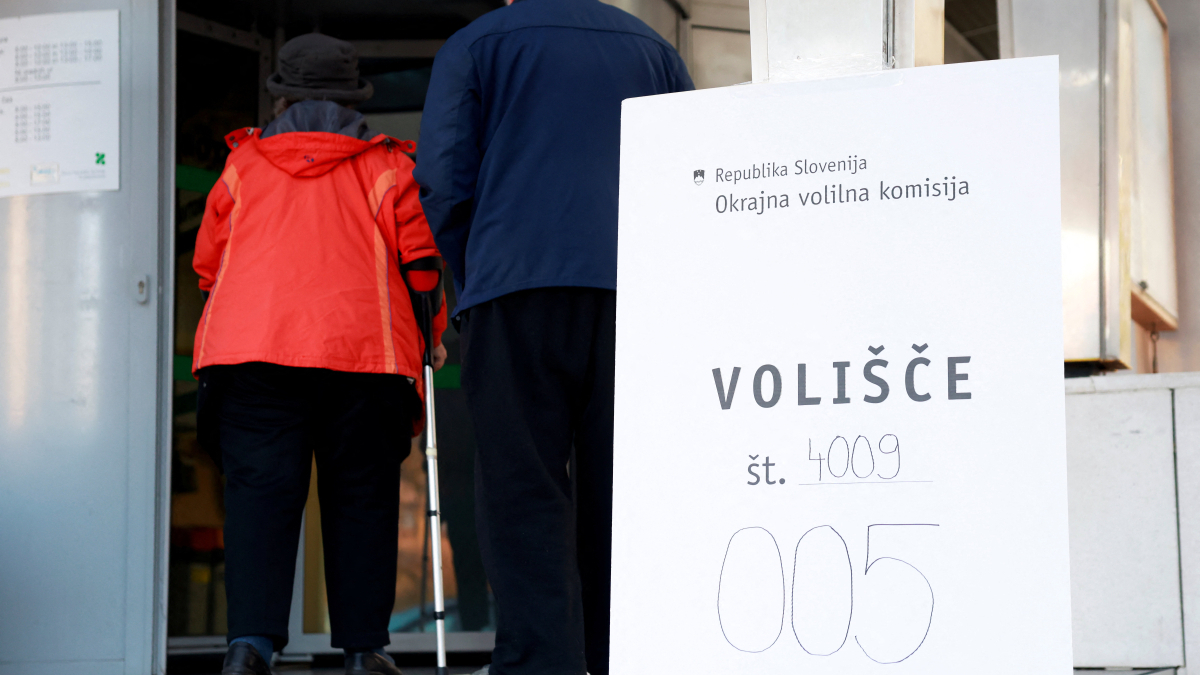
Slovenian voters narrowly rejected plans to legalise assisted dying for some terminally ill adults, according to partial results from the state election commission.
Slovenia delivered a close but decisive verdict on Sunday, with just over 53% voting against a law that would have allowed assisted dying for adults facing unbearable suffering with no chance of recovery. The proposal, approved by parliament in July, was pushed to a nationwide vote after a citizens' group led by right wing campaigner Ales Primc gathered enough signatures to trigger a binding referendum.
The result reflected weeks of heated debate in a country where questions of end-of-life care have long been emotionally charged. Supporters framed the law as a humane choice that could spare people needless pain during their final days. Opponents warned that legalising assisted dying risked crossing an ethical line and weakening wider social protections.
Primc celebrated the outcome, saying voters had defended what he called a culture of life. Advocates for the legislation expressed disappointment, arguing that the decision leaves many patients without options at the most difficult stage of illness.
With the referendum result now settled, the law will not come into force, and Slovenia remains among European nations that continue to prohibit assisted dying.

Cuba’s Deputy Foreign Minister Carlos Fernández de Cossío has denied that Havana and Washington have entered formal negotiations, countering recent assertions by U.S. President Donald Trump, while saying the island is open to dialogue under certain conditions.
Rivers and reservoirs across Spain and Portugal were on the verge of overflowing on Wednesday as a new weather front pounded the Iberian peninsula, compounding damage from last week's Storm Kristin.
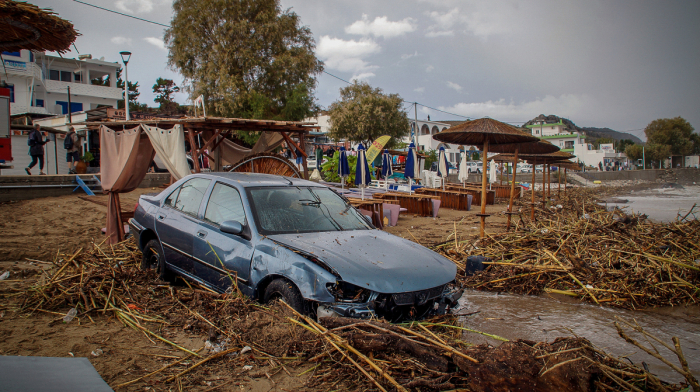
Morocco has evacuated more than 100,000 people from four provinces after heavy rainfall triggered flash floods across several northern regions, the Interior Ministry said on Wednesday.
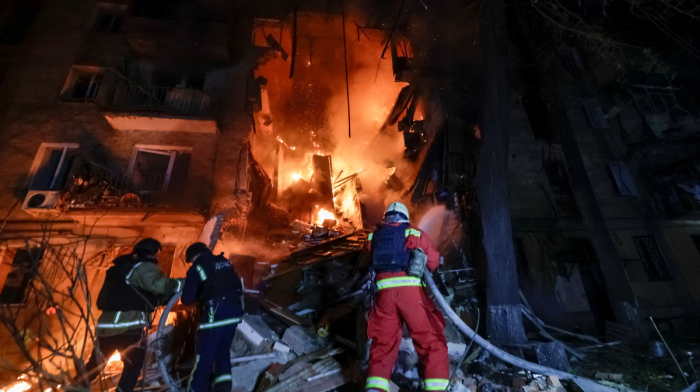
Ukrainian President Volodymyr Zelenskyy accused Russia on Tuesday (3 February) of exploiting a U.S.-backed energy ceasefire to stockpile weapons and launch large-scale drone and missile attacks on Ukraine ahead of peace talks.
The imminent expiry of New START, the last major nuclear arms control treaty between the United States and Russia, risks removing transparency, predictability and limits on the world’s two largest nuclear arsenals, political analyst Gregory Mathieu warned.
U.S. President Donald Trump held an “excellent” phone call with Chinese President Xi Jinping on Wednesday, (4 February), to discuss trade, energy, Taiwan, Iran, and Russia’s war in Ukraine, ahead of Trump’s planned visit to Beijing in April.
Start your day informed with AnewZ Morning Brief: here are the top news stories for the 5th of February, covering the latest developments you need to know.
The United States and Argentina have signed a framework agreement to strengthen cooperation on critical minerals on Thursday (4 February), reaffirming a shared commitment to building secure, resilient and competitive supply chains.
An explosion and fire erupted after a fuel-laden freight train derailed at Kochyetovka station in Michurinsk, Russia, on Tuesday (4 February), halting rail traffic and triggering a major emergency response, authorities said.
Ukrainian and Russian officials wrapped up a "productive" first day of new U.S.-brokered talks in Abu Dhabi, Kyiv's lead negotiator said on Wednesday (4 February).
You can download the AnewZ application from Play Store and the App Store.
What is your opinion on this topic?
Leave the first comment