Drone attacks disrupt Kazakhstan’s main oil export route
Kazakhstan’s main oil export route has been disrupted after the Caspian Pipeline Consortium (CPC) suspended crude intake following drone attacks on ...
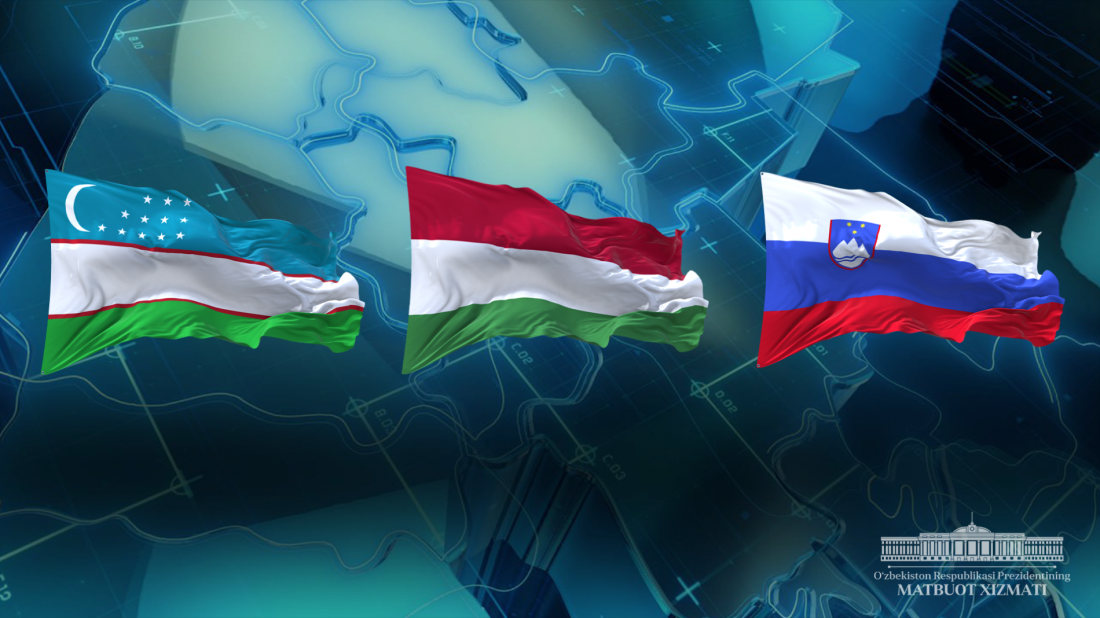
President of Uzbekistan Shavkat Mirziyoyev will pay official visits to Hungary and Slovenia from May 19 to 22, holding talks with top leaders and participating in key bilateral and multilateral events.
President of Uzbekistan Shavkat Mirziyoyev is set to make official visits to Hungary and Slovenia from May 19 to 22, to strengthen strategic partnerships and expand practical cooperation.
On May 19, President Mirziyoyev will arrive in Budapest at the invitation of Hungarian Prime Minister Viktor Orbán. The agenda includes high-level talks, meetings with government officials, and discussions with executives from leading Hungarian companies. The sides will explore opportunities to deepen bilateral cooperation and enhance strategic ties across various sectors.
On May 21, the Uzbek leader will attend the informal summit of the Organization of Turkic States (OTS), hosted in the Hungarian capital. The summit is expected to focus on regional cooperation and integration among Turkic-speaking nations.
On May 22, Shavkat Mirziyoyev will travel to Ljubljana for a state visit to Slovenia. He is scheduled to meet with Slovenian President Nataša Pirc Musar, as well as hold talks with the country’s parliamentary and governmental leadership. He will also take part in joint business events aimed at fostering new economic partnerships.
Key topics on the agenda include strengthening trade and economic ties, launching cooperative projects in the pharmaceutical, industrial, food, and textile sectors, enhancing cooperation in labor migration, and promoting humanitarian and cultural exchanges.

Start your day informed with AnewZ Morning Brief. Here are the top news stories for the 21st of July, covering the latest developments you need to know.
President Donald Trump said the United States will target Iran’s heavily fortified Pickaxe Mountain site “pretty soon” as he meets with Lebanese president Michel Aoun. Meanwhile, U.S. forces carried out a 10th consecutive night of strikes on Iran while Tehran continues to target Gulf countries.
Overnight U.S. strikes caused blackouts in southwestern Iran and hit the northwestern city of Tabriz for the first time. Separately, a U.S. soldier died in northern Iraq during a controlled detonation of an unexploded Iranian drone.
Start your day informed with AnewZ Morning Brief. Here are the top news stories for the 22nd of July, covering the latest developments you need to know.
Azerbaijan has rejected suggestions it played any official role in reported private talks between former German politicians and Russian representatives in Baku, saying the meetings were organised independently.
Pakistan stepped up its economic engagement with the U.S. during Finance Minister Muhammad Aurangzeb's visit to Washington this week, holding talks on investment, development finance and access to international capital markets as Islamabad seeks to broaden its economic partnerships.
Azerbaijani President Ilham Aliyev and German President Frank-Walter Steinmeier have discussed regional developments, transport connectivity, energy cooperation and the Azerbaijan-Armenia peace process during talks in Berlin.
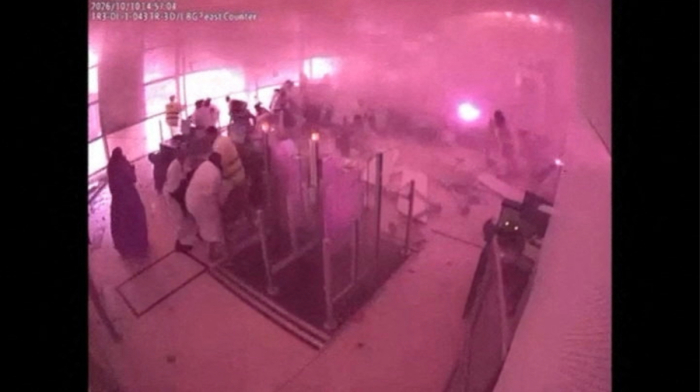
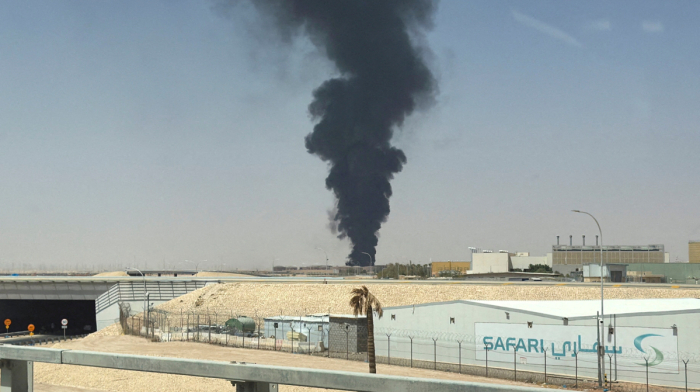
Kazakhstan’s main oil export route has been disrupted after the Caspian Pipeline Consortium (CPC) suspended crude intake following drone attacks on tankers near its Black Sea terminal.
The United Nations High Commissioner for Refugees has expressed its deepest condolences following the confirmed deaths of five Afghans in Nimroz province, while the search continues for 14 others.
Lebanese army troops have begun deploying in the southern town of Zawtar al-Gharbiyeh after Israeli forces withdrew from the area, marking the first major step in a U.S.-brokered plan to reduce tensions along the Lebanon-Israel border.
You can download the AnewZ application from Play Store and the App Store.
What is your opinion on this topic?
Leave the first comment