live U.S. military renews strikes on Iran while tankers come under attack in Strait of Hormuz
The United States carried out a third consecutive night of airstrikes against Iran, targeting military capabilities around the Strait of Hormuz as Don...
From factories to battery plants, Türkiye’s robotics surge is boosting output, quality, and global recognition.
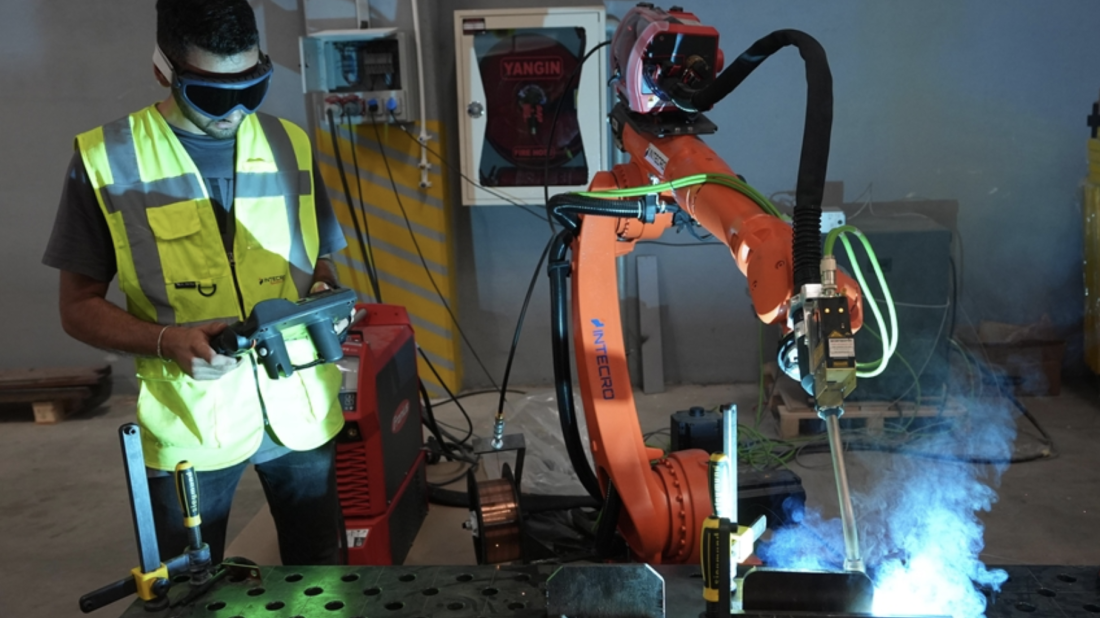
Türkiye’s defence sector said it's driving a nationwide shift to next-generation industrial robots, which are now widely used in the automotive, aviation, shipbuilding, rail, and heavy machinery industries.
Intecro Robotics chair Ali Şen said “there’s hardly any industry left without robot technology,” noting global defence and aerospace trends have made fully automated, high-speed production standard.
Since 2013, Intecro has installed robotic lines for MKE, Roketsan, TAI, and ASELSAN, producing penetrating bombs, infantry rifles, and electro-optical systems.
Key technologies include digital twins, virtual models of products and processes, and sensor fusion for real-time quality control. New welding robots utilise adaptive intelligence to detect defects in high-strength armor steels before assembly.
Beyond defence, Intecro supplies production lines for EV battery maker Siro (serving Türkiye’s Togg), Renault, Tofaş, and rail firms like TÜRASAŞ. Heavy industry clients include Isuzu, MAN, Otokar, Bozankaya, and Hyundai Rotem.
The latest intelligence programme enables self-programming robots that learn and optimise tasks, attracting strong domestic and international interest.

The 4th Shusha Global Media Forum will bring together nearly 160 media leaders, experts and officials from 54 countries in Azerbaijan's historic city of Shusha on 13-14 July, to discuss journalism’s role in peacebuilding, restoring public trust and tackling challenges.
President Ilham Aliyev is holding his annual question-and-answer session with international journalists at the 4th Shusha Global Media Forum in Azerbaijan.
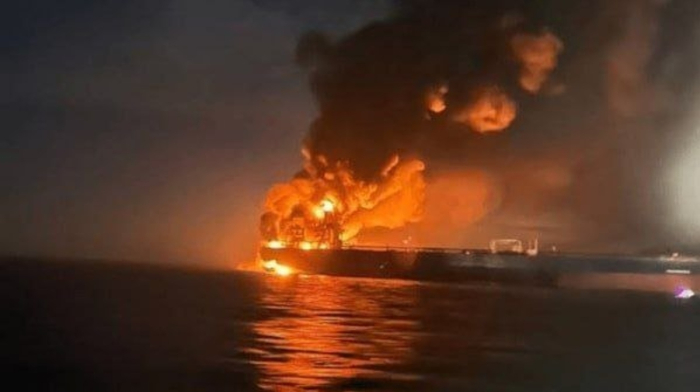
The United States carried out a third consecutive night of airstrikes against Iran, targeting military capabilities around the Strait of Hormuz as Donald Trump announced the reinstatement of a blockade on Iranian shipping and proposed a 20% fee on cargo passing through the strategic waterway.
The United States and Iran have significantly escalated their conflict, exchanging heavy missile and drone strikes across the Gulf region. Iran claims it has once again closed the Strait of Hormuz, a vital global shipping route.
Start your day informed with AnewZ Morning Brief. Here are the top news stories for the 13th of July, covering the latest developments you need to know.
Climate change could leave Kazakhstan facing severe water shortages, longer heatwaves and mounting economic losses within decades, as rising temperatures and shrinking glaciers reshape water security across Central Asia, scientists warn.
Kyrgyzstan's government has banned the sale of gasoline and diesel fuel indefinitely. The Central Asian country imports more than 90 per cent of its fuel from Russia, which has faced supply issues due to Ukrainian attacks on oil refineries.
Afghan authorities in Kabul and Herat have sought wider investment, trade and environmental cooperation with Uzbekistan, Russia, Kazakhstan, Iran and an international aid organisation.
Türkiye delivered 30 tonnes of humanitarian aid to earthquake-hit Venezuela on Monday, reaffirming its commitment to supporting the country's reconstruction after last month's devastating earthquakes.
The United Nations Children's Fund (UNICEF) warned on Sunday that 3.7 million children under five in Afghanistan face an increased risk of malnutrition as the peak wasting season from July to September approaches.
You can download the AnewZ application from Play Store and the App Store.
What is your opinion on this topic?
Leave the first comment