Israel–Lebanon ceasefire at risk as “incompatible” interpretations emerge
Lebanon and Israel have a “fundamentally incompatible” understanding of the ceasefire agreed on Thursday (16 April), Dr Nouran El-Bayaa...
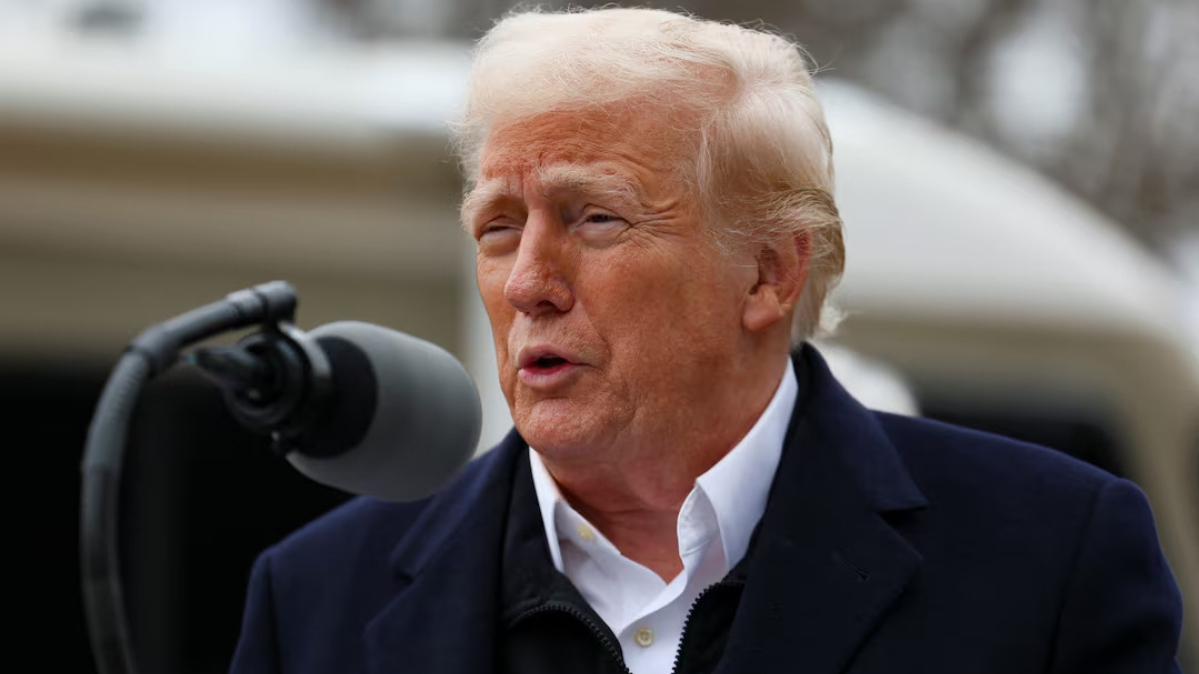
President Donald Trump declared that the United States will "always be there" for NATO, emphasising the importance of the alliance in countering global threats. In a post on Truth Social, Trump reiterated that Russia and China only feared NATO as long as the U.S. remained a member.
"We will always be there for NATO, even if they won’t be there for us," Trump said, highlighting his administration’s steadfast commitment to the transatlantic alliance.
The comment comes amidst growing tensions between the U.S. and certain NATO members, particularly Denmark, after recent remarks and threats regarding Greenland. Trump and his administration have made headlines with comments about the U.S. potentially taking control of Greenland, a move that has sharply raised diplomatic concerns with Denmark, a NATO member.
Trump’s post also included strong language regarding the global influence of the U.S. in the context of NATO.
"The only nation that China and Russia fear and respect is the U.S.," Trump wrote, reinforcing his administration's focus on maintaining American leadership in international relations.
The president also cast doubt on NATO’s ability to come to the U.S.'s aid in times of crisis, suggesting, "I doubt NATO would be there for us if we really needed them." This statement adds to ongoing debates surrounding the role of the alliance and the extent of the U.S.’s reliance on NATO for its global security strategy.
While Trump’s remarks underscore the importance he places on American dominance in global diplomacy, they also reflect the ongoing tensions within NATO as the alliance navigates shifting geopolitical dynamics. With Trump suggesting that NATO’s support for the U.S. might not be guaranteed, his statement signals a continued push for greater burden-sharing within the alliance.
As NATO grapples with its future role in a changing world order, the U.S.'s relationship with the alliance remains central to global security and international diplomacy. The U.S. commitment to NATO, despite internal disagreements, remains a key pillar in the country's foreign policy.

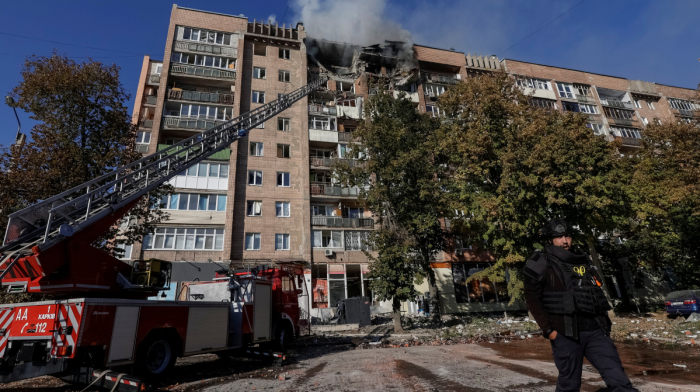
The past 24 hours of the Russia-Ukraine war have seen a drastic escalation in both aerial bombardment and frontline losses.
Iran reopened the Strait of Hormuz to commercial shipping on Friday (17 April) for the first time since the U.S. and Israel killed Iran's ex-Supreme Leader in air strikes, triggering the Middle East conflict, at the end of February. A U.S. blockade on Iranian ports, however, remains in force.
Iran's Islamic Revolutionary Guards Corps (IRGC) said in a Saturday statement that the Strait of Hormuz has returned to its "previous state" under the control of its "armed forces," citing the ongoing U.S. blockade on Iranian ports.
Russia published addresses of manufacturers allegedly producing drones or components for Ukraine on Wednesday (15 April), warning European countries against plans to step up UAV supplies to Kyiv.
Netflix shares fell sharply on Friday after the streaming group issued a weaker-than-expected outlook and said chairman and co-founder Reed Hastings will step down from the board.
Bulgaria heads to the polls on Sunday (19 April) for its eighth election in five years, amid mounting public frustration over corruption scandals and repeated government collapses.
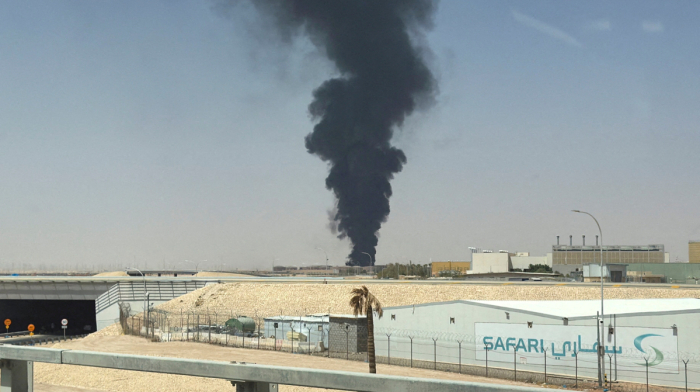
The Trump administration extended a sanctions exemption on some Russian oil as prices continue to skyrocket in the wake of the U.S.- Israeli war against Iran on Friday (17 April).
Australia and Japan signed contracts on Saturday (18 April) launching their landmark A$10 billion ($7 billion) deal to supply Australia with warships, Tokyo's most consequential military sale since ending a military export ban in 2014.
Leaders from across Europe and beyond gathered in Paris on Friday for a summit aimed at managing the global impact of the Middle East conflict.
European leaders have set out plans for a coordinated defensive mission to restore freedom of navigation in the Strait of Hormuz, once security conditions allow, following talks involving more than 40 countries.
You can download the AnewZ application from Play Store and the App Store.
What is your opinion on this topic?
Leave the first comment