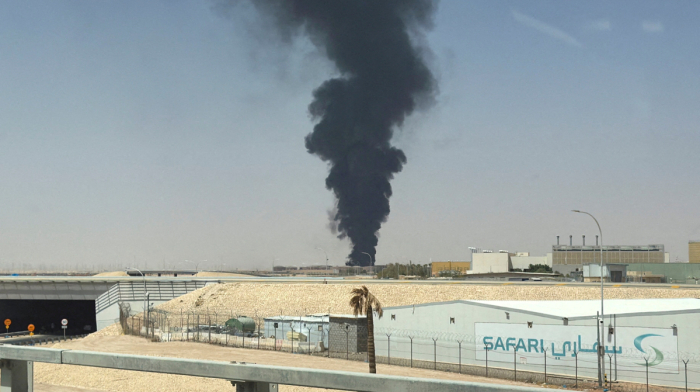
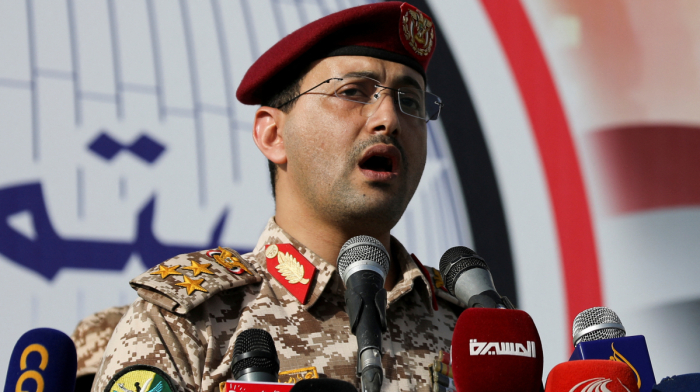
Bahrain’s UN bid to secure Strait of Hormuz stalls amid global divisions
Bahrain’s bid to secure a UN resolution to protect shipping in the Strait of Hormuz has stalled, highlighting deep divisions among global pow...
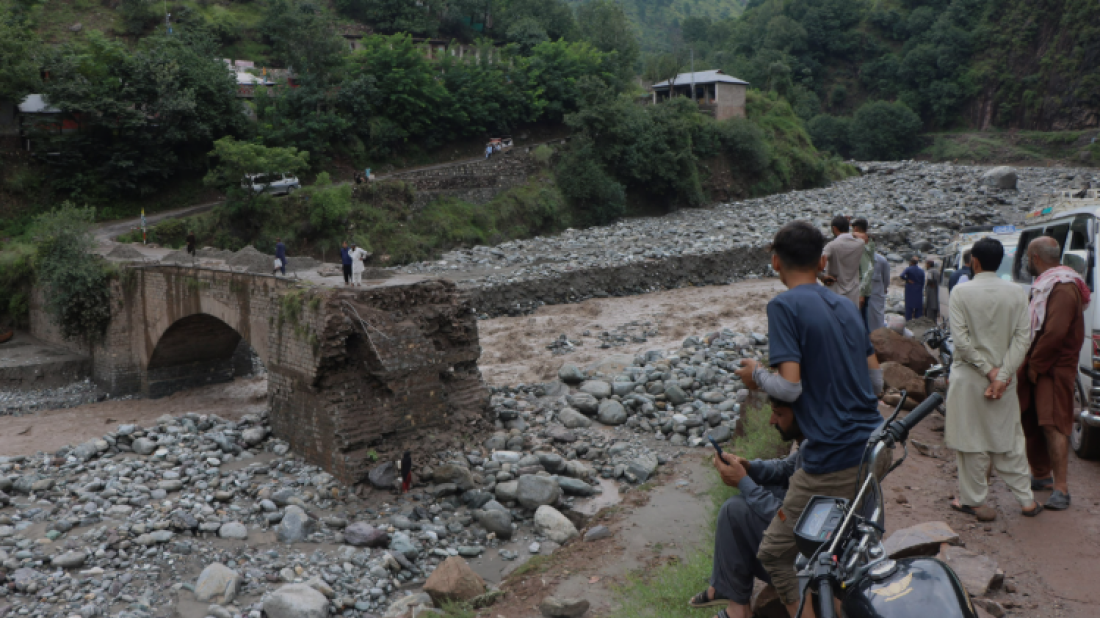
The death toll from weeks of torrential rains and flooding in Pakistan has risen above 300, local officials said on Saturday.
Unusually heavy monsoon rains have swept away roads and buildings, with cloudbursts, flash floods, lightning strikes and house collapses killing scores across Khyber Pakhtunkhwa province.
The Buner district was the worst hit, where 100 people died, according to provincial chief secretary Shahab Ali Shah. A helicopter delivering aid to Bajaur near the Afghan border crashed in bad weather, killing five crew members.
In Swat, more than 2,000 residents were evacuated as rivers and streams overflowed. Rescuers also saved 1,300 stranded tourists in Mansehra’s Siran Valley after flash floods and landslides, emergency spokesman Bilal Faizi said.
Prime Minister Shehbaz Sharif convened an emergency meeting to assess the situation, while the disaster management agency issued fresh warnings of glacial lake outburst floods in the north, urging travellers to stay away from vulnerable areas.
The Gilgit-Baltistan region has faced repeated flooding since July, triggering landslides along the vital Karakoram Highway linking Pakistan with China. The area’s glaciers supply about 75% of the country’s stored water.
A study by World Weather Attribution found that rainfall in Pakistan between 24 June and 23 July was 10–15% heavier due to climate change.

The Iran-U.S.-Israel conflict is intensifying, with fresh strikes near Tehran, European calls for restraint, and Iran threatening to target U.S. firms in the region, raising fears of a broader escalation across the Middle East.
There are fears of an oil spill after a drone strike hit a Kuwaiti oil tanker near Dubai on Tuesday, while U.S.-Israeli strikes in Iran reportedly killed at least two people. A loud explosion was heard in Beirut in southern Lebanon early Wednesday, as oil prices climbed above $100 a barrel.
Fears of wider escalation grow despite President Donald Trump saying U.S. strikes on Iran could end within weeks. Meanwhile missile attacks, tanker incidents and rising casualties across Israel, Lebanon and the Gulf heighten risks to regional stability and energy routes.
Russian-flagged tanker carrying approximately 700,000 barrels of crude oil docked at Cuba's Matanzas oil terminal on Tuesday, shipping data confirmed, marking a vital and controversial delivery to an island paralysed by severe energy shortages and a suffocating U.S. blockade.
A Russian military An-26 aircraft has crashed in Crimea, killing all 30 people on board, Russia’s Defence Ministry has confirmed.
In a major policy reversal, the U.S. Treasury has removed Venezuela’s acting president, Delcy Rodríguez, from its sanctions list, signalling a sharp shift in Washington’s approach to Caracas.
A technical team from the United States Federal Bureau of Investigation (FBI) has touched down in Cuba this week to launch an "independent investigation" into a deadly maritime shootout that happened on 25 February.
“He is not… the owner!” U.S. District Judge Richard J. Leon wrote, temporarily halting construction of President Donald Trump’s $400 million White House ballroom, underscoring a cascade of legal, regulatory and public opposition that has engulfed the controversial expansion.
Start your day informed with the AnewZ Morning Brief. Here are the top stories for 2 April, covering the latest developments you need to know
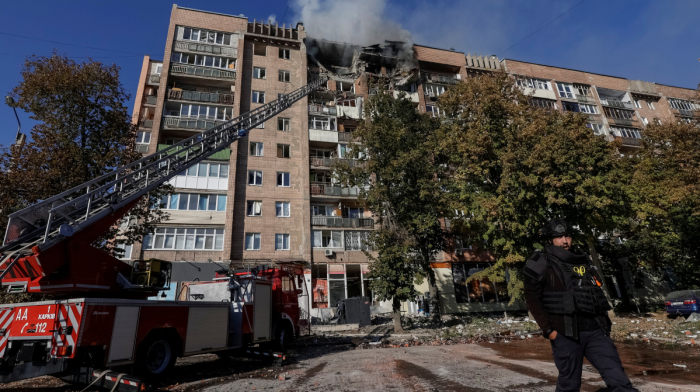
President Volodymyr Zelenskyy criticised Russia for answering his offer of an Easter ceasefire with airstrikes on Wednesday but he praised as "positive" fresh talks with U.S. mediators aimed at resolving the four-year conflict.
You can download the AnewZ application from Play Store and the App Store.
What is your opinion on this topic?
Leave the first comment