U.S.-Israeli strikes on Iran: What we know so far
The United States and Israel have carried out large-scale strikes on Iranian leadership and military targets, with Iranian state media confirming t...
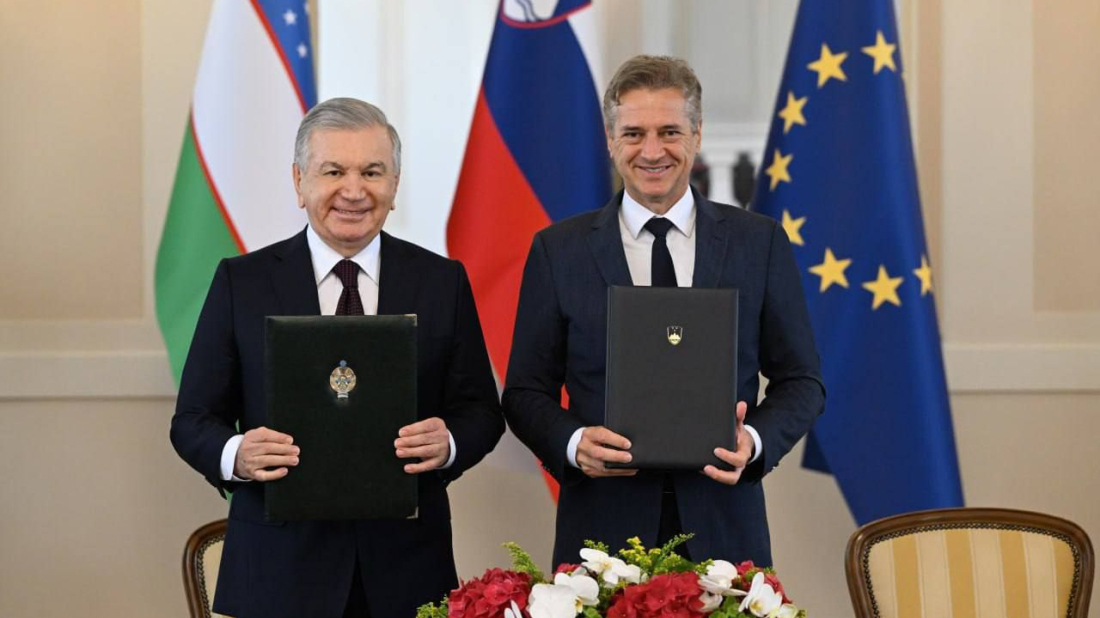
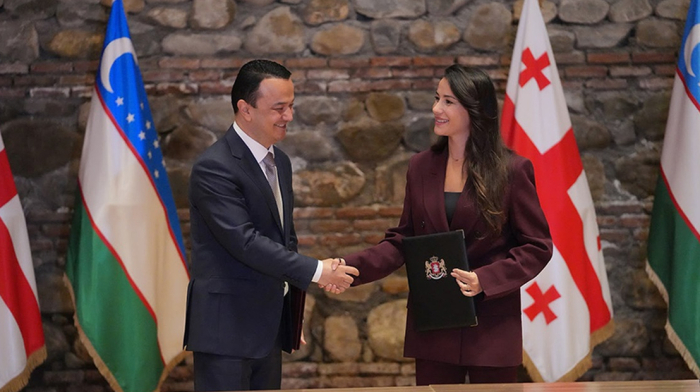
During President Shavkat Mirziyoyev’s official visit to Slovenia, Uzbekistan and Slovenia signed several important agreements covering visa exemptions for diplomats, education, transport, smart cities, water management, and tourism to enhance bilateral cooperation.
During his official visit to Slovenia, President of Uzbekistan Shavkat Mirziyoyev met with Slovenian Prime Minister Robert Golob. Together, they signed a joint statement and a series of agreements aimed at advancing practical cooperation between the two countries.
The agreements, signed in the presence of both leaders, cover key areas including:
- Visa exemption for holders of diplomatic passports;
- Collaboration in education, science, and culture;
- Cooperation in transport and logistics;
- Development of smart cities;
- Standardization and water resource management;
- Partnership in tourism.
These steps are designed to strengthen bilateral relations and promote cooperation across multiple sectors, setting the stage for future growth and mutual benefit.

Follow the latest developments and global reaction after the U.S. and Israel launched “major combat operations” in Iran, prompting retaliation from Tehran.
Governments across the region responded swiftly to Israel’s strikes on Iran, closing airspace, issuing travel advisories and activating contingency plans amid fears of escalation.
Ayatollah Alireza Arafi has moved into a pivotal constitutional role following the death of Supreme Leader Ayatollah Ali Khamenei, becoming the clerical member of Iran’s temporary leadership council under Article 111 of the Constitution of the Islamic Republic of Iran.
A senior Iranian official has warned Israel to “prepare for what is coming”, insisting that Tehran’s response to the latest escalation in the Middle East will be made openly and without limits.
Ayatollah Ali Khamenei, Iran’s supreme leader for 36 years and the country’s highest political and religious authority, has died aged 86 following joint Israeli and U.S. strikes on his compound in Tehran.
The United States and Israel have carried out large-scale strikes on Iranian leadership and military targets, with Iranian state media confirming that Supreme Leader Ayatollah Ali Khamenei was killed.
Follow the latest developments and global reaction after the U.S. and Israel launched “major combat operations” in Iran, prompting retaliation from Tehran.
Ayatollah Alireza Arafi has moved into a pivotal constitutional role following the death of Supreme Leader Ayatollah Ali Khamenei, becoming the clerical member of Iran’s temporary leadership council under Article 111 of the Constitution of the Islamic Republic of Iran.
A number of senior Iranian figures have reportedly been killed in Saturday’s joint U.S.–Israeli airstrikes on Iran, according to Iranian state media, Israeli military statements and international reporting. Some of the details remain unverified. .
The death of Iran’s Supreme Leader Ayatollah Ali Khamenei has triggered one of the most significant political processes in the Islamic Republic: the selection of a new Supreme Leader.
You can download the AnewZ application from Play Store and the App Store.
What is your opinion on this topic?
Leave the first comment