




12:52 CET
Russia-Ukraine
live Russian strikes kill three, damage dozens of power facilities
Russian strikes killed ...
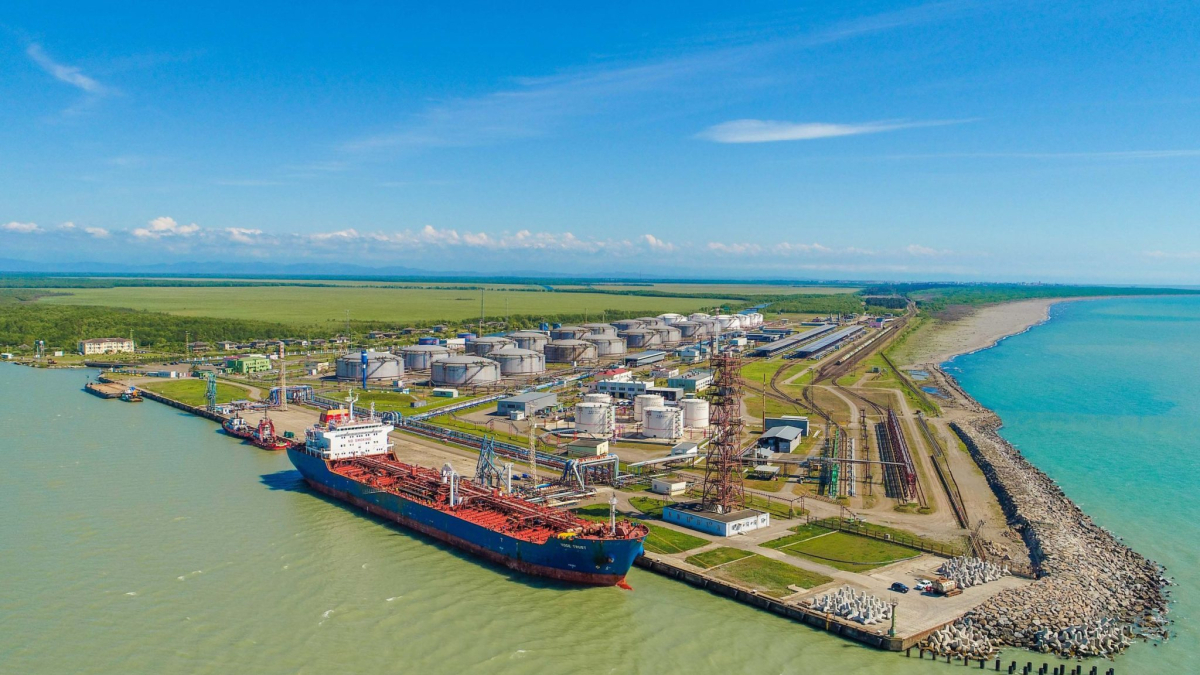


Georgia's economy grew by eight per cent in July, and if you're wondering what's behind the surge, the answer is the same one that's been doing the heavy lifting all year: oil.
Not Georgian oil, of course - the country barely produces any - but Russian crude, shipped in, refined on the Black Sea coast, and sent back out into the world as "Georgian" petroleum products.
Along the way, it's turned the small West African nation of Togo into one of Georgia's biggest trading partners, which is the kind of statistic nobody saw coming a year ago.
Geostat, Georgia's national statistics office, put average growth for the first seven months of 2026 at 7.9 per cent. The head of the agency, Gogita Todradze, pointed to the refining industry as the main driver once again, specifically the Kulevi refinery on the Black Sea coast, run by Black Sea Petroleum - the same plant that has just been named in the EU's 21st sanctions package over its use of Russian crude.
The numbers behind the growth are striking, even if you don't want to get lost in them. Crude oil imports have exploded this year, almost all of it Russian, brought in to be refined and then shipped out again as Georgian-made fuel.
Production of kerosene, gas oil and fuel oil has jumped sharply, and exports of these products in July were around 25 times higher than the same month last year - mostly heading to Singapore and a handful of African countries, alongside China and Turkey. Total oil exports for the first seven months came to just over $543 million, up roughly 4,000 per cent on the year before.
That's where Togo comes in. From January to July, Georgia sent oil worth $137 million to Togo - a country it had, as far as anyone can tell, never exported anything to before. That single trade line now makes up around five per cent of all of Georgia's exports of locally produced goods, more than the country sends to Armenia, a long-standing regional trading partner.
It's such a new relationship that the statistics office has no historical data to compare it against; last year's figures, and the growth rate alongside them, simply show up blank. A country with no prior trade history suddenly becoming a top export destination is unusual enough to raise questions, and the likeliest explanation lies in how the oil trade actually works.
Togo is home to Lomé, a major West African transshipment hub, and cargoes are often booked to a destination port for logistical or documentation reasons rather than because the oil is genuinely consumed there.
In other words, Togo may be less an end customer and more a convenient staging post - a place for Russian-origin fuel, freshly rebranded as Georgian, to change hands again before reaching wherever it's actually going. That would also explain why a market with no track record of buying Georgian goods suddenly looks like one of its biggest customers.
Georgia's government has faced growing criticism from Brussels and Western partners over its ties to Moscow since the start of the war in Ukraine, and the Kulevi story fits neatly into that wider argument: that Georgian territory is being used, wittingly or not, to help Russian oil find its way to international markets despite sanctions designed to cut off exactly that.
Tbilisi has pushed back firmly, insisting there are no legal grounds for singling out the refinery and that it's cooperating fully with EU institutions. But for a country trying to keep its EU accession hopes alive, having its flagship refinery named in a sanctions package - and its export statistics quietly filled with Russian crude wearing a Georgian label - is an awkward look, whatever the technical justifications.
The refinery's next steps are a story in themselves, and one worth following separately. For now, the refining boom remains the single biggest force behind Georgia's growth figures — and Togo, an accidental bit-part player in someone else's oil trade, is unlikely to stay on the books once the crude finally stops coming from Russia.

Russian strikes killed ...
A building at Saudi Aramco’s headquarters in ...

Cornell University has prohibited parties and social gatherings at fraternity houses for the remainder of the academic year following allegations o...

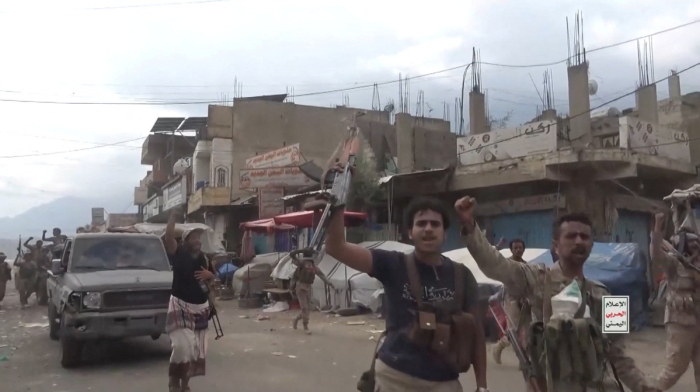
One person was killed and nearly a dozen hurt in a fresh attack on Riyadh's international airport on Sunday, Saudi authorities reported, a day after a strike claimed by Yemen's Houthis killed 13 people and wounded more than 300.

The Saudi-led coalition in Yemen said late Monday that it intercepted and destroyed two ballistic missiles launched by the Houthi group toward Khamis Mushait in southwestern Saudi Arabia.
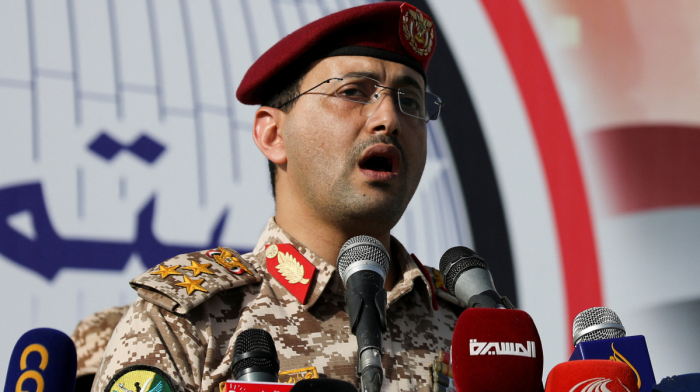
The Houthi movement has escalated their attacks on Saudi Arabia, targeting the airport in Riyadh and other cities, killing more than a dozen people.
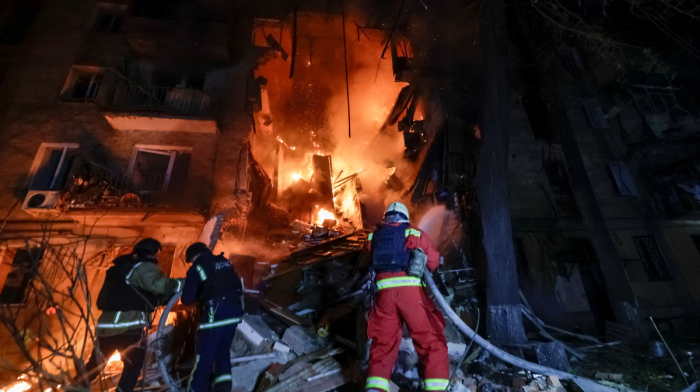
Ukrainian President Volodymyr Zelenskyy says Russia hit at least six energy targets in deadly strikes across Ukraine, showing Moscow is unwilling to accept the energy ceasefire announced by U.S. President Donald Trump.
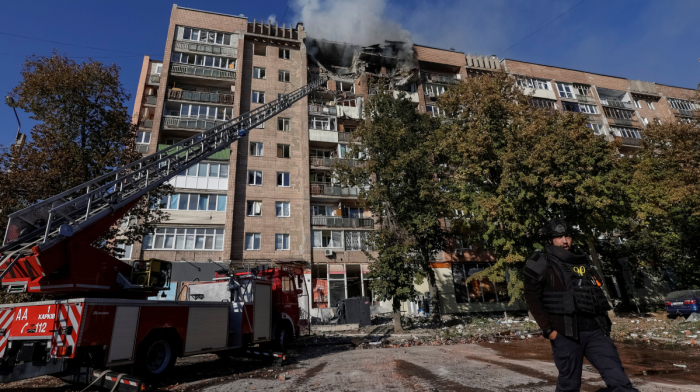
The Kremlin on Monday rejected a 60-day ceasefire idea proposed by Ukrainian President Volodymyr Zelenskyy to allow his country to hold presidential elections, saying it wanted an overall peace deal instead.
A building at Saudi Aramco’s headquarters in the eastern city of Dhahran was attacked late Tuesday, causing a limited fire, Saudi Arabia’s Energy Ministry said on Wednesday. The incident came as fighting between the kingdom and Yemen’s Iran-allied Houthi group intensify.
The Saudi-led coalition in Yemen said late Monday that it intercepted and destroyed two ballistic missiles launched by the Houthi group toward Khamis Mushait in southwestern Saudi Arabia.
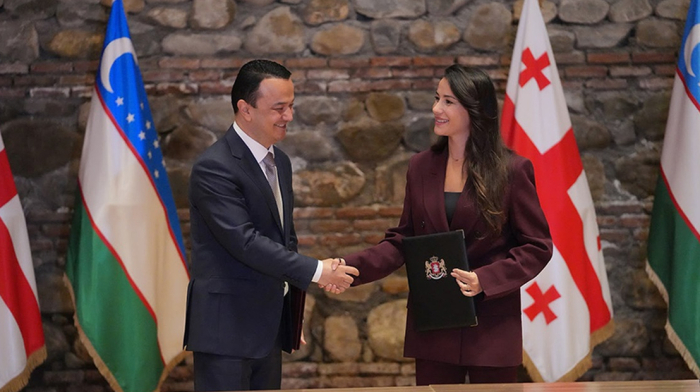
Georgia and Uzbekistan are aiming to nearly quadruple annual trade to $1 billion, up from $267.6 million in 2025, as the two countries seek to strengthen economic ties and expand transport links.
Iran has warned against the military use of Starlink, saying it has developed domestic technology capable of countering cyber threats linked to the satellite internet service.
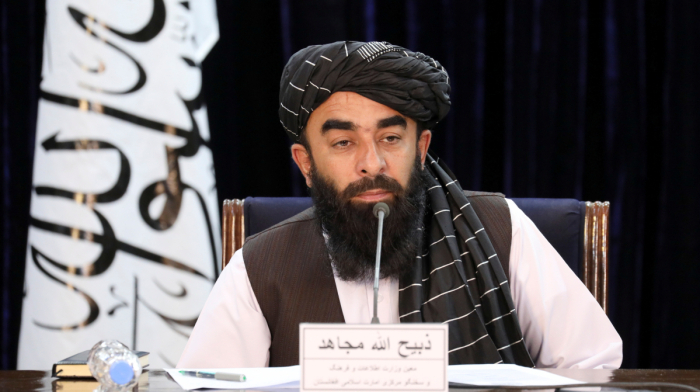
Afghanistan has accused Pakistan of blaming Kabul for its domestic political and security problems, as Islamabad repeated claims that militants are using Afghan territory to launch attacks across the border.
You can download the AnewZ application from Play Store and the App Store.




What is your opinion on this topic?
Leave the first comment