The White House: U.S. ground troops ‘not part of plan’ in Iran
The White House says deploying United States ground troops in Iran is not currently part of the military strategy in ...
U.S. President Donald Trump removed his 40% tariffs on Brazilian food products, including beef, coffee, cocoa and fruits that were imposed in July to punish Brazil over the prosecution of its former president, Trump ally Jair Bolsonaro.
The move follows a similar order by the administration last Friday to remove tariffs on several agricultural products from other countries as the White House makes a U-turn on some tariffs that have increased the cost of food in the United States.
The order will affect Brazilian imports to the U.S. on or after 13 November and may require a refund of the duties collected on those goods while the tariffs were still being charged, according to the text of the order released by the White House.
Brazil normally supplies a third of the coffee used in the United States, the world's largest coffee drinker, and has more recently become an important supplier of beef, particularly the type that is used to make burgers.
U.S. retail coffee prices rose as much as 40% this year due to the tariffs and other market factors such as weather-induced production shortfalls.
"The decision (to lift Brazil tariffs) shows the effectiveness of the trade negotiations," said Brazilian beef industry group ABIEC, adding it will continue to work to increase its share in the market.
Trump's executive order on Thursday did not mention the actions against Brazilian authorities involved in the prosecution and conviction of former President Jair Bolsonaro for plotting a coup to remain in power after losing the 2022 election.
Brazil's President Luiz Inacio Lula da Silva said on Thursday he was glad that the 40% tariff was removed.

U.S. President Donald Trump said the U.S. military has enough stockpiled weapons to fight wars "forever"; in a social media post late on Monday. The remarks came hours before conflict in Iran and the Middle East entered its fourth day.
U.S. first lady, Melania Trump chaired a UN Security Council meeting on children and education in conflict on Monday (2 March), a move criticised by Iran as hypocritical following U.S. and Israeli strikes that triggered a UN warning about risks to children.
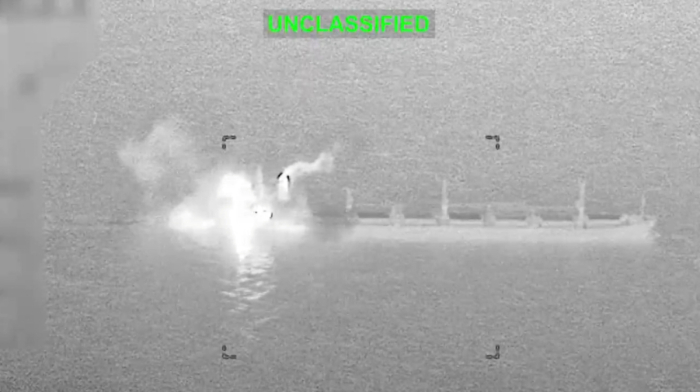
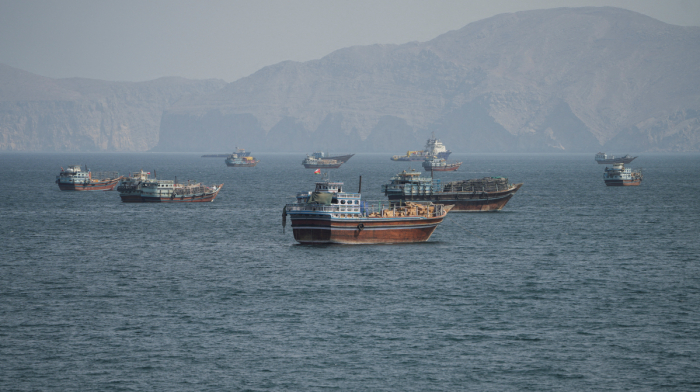
A torpedo from a U.S. submarine sunk an Iranian warship off the coast of Sri Lanka, U.S. Secretary of Defense, Pete Hegseth told reporters as the Iranian conflcit entered its fifth day on Wednesday.
The U.S. embassy in Riyadh was hit by two drones resulting in a limited fire and some material damage, the kingdom's defence ministry said in a post on X on Tuesday, citing an initial assessment.
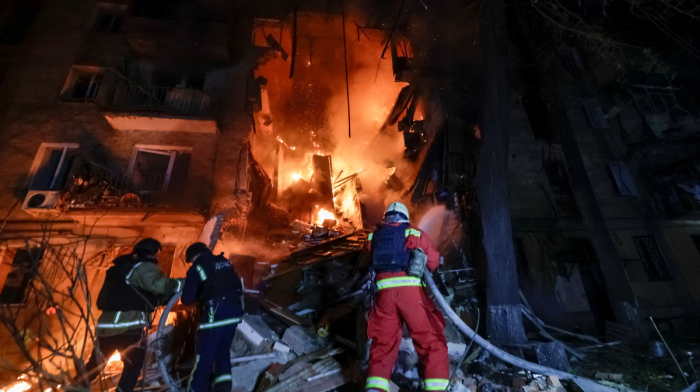
Shahid Motahari Sub-Speciality Hospital in northern Tehran and parts of the Golestan Palace were bombed on day two of the U.S.‑Israel strikes. AnewZ Touraj Shiralilou is in Iran's capital city and said that the facility was flattened in an airstrike.
The White House says deploying United States ground troops in Iran is not currently part of the military strategy in the ongoing conflict with Tehran.
Israel has warned residents to leave a significant area in southern Lebanon, instructing them to move north of the Litani River as hostilities with the Iran-backed Lebanese group Hezbollah intensified on Wednesday.
U.S. Defense Secretary Pete Hegseth says the United States is making gains in its conflict with Iran after a key Iranian naval target was destroyed, confirming that the strike was carried out by a U.S. submarine off the coast of Sri Lanka. Rescue efforts are now under way for the ship’s crew.
Start your day informed with AnewZ Morning Brief. Here are the top news stories for the 4th of February, covering the latest developments you need to know.
Strikes across the Middle East are intensifying, fuelling travel disruption, driving up global energy prices and forcing diplomatic missions to shut their doors.
You can download the AnewZ application from Play Store and the App Store.
What is your opinion on this topic?
Leave the first comment