live U.S. - Iran peace talks at logjam as other world leaders get involved - Wednesday 25 March
Both the United States and Iran are giving conflicting messages about trying to end the conflict in the Middle East, meanwhile Pakistan has offered...
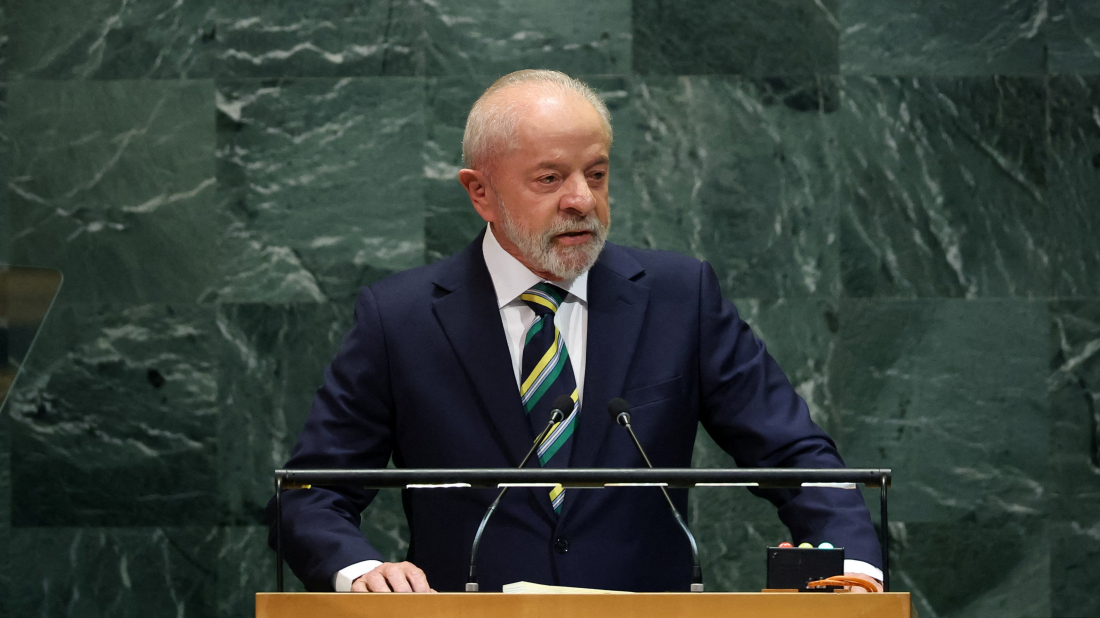
Brazilian President Luiz Inacio Lula da Silva and U.S. President Donald Trump agreed to meet in person following a friendly video call on Monday, raising hopes of improving relations strained by tariffs and political disputes.
The two leaders spoke for 30 minutes, reflecting on a brief encounter at last month’s United Nations General Assembly and exchanging phone numbers to maintain direct communication, according to Lula’s office.
Trump described the conversation as “very good,” focusing on trade and economic ties, and confirmed plans for future meetings in both countries.
Lula proposed an in-person meeting during the upcoming ASEAN summit in Malaysia and expressed willingness to visit the United States.
The talks come amid escalating trade tensions, with Trump raising tariffs on many Brazilian goods from 10% to 50% over the trial and conviction of former president Jair Bolsonaro, a move Bolsonaro labelled a “witch hunt.”
The tariff hikes have severely impacted Brazil’s exports, cutting coffee shipments to the U.S. by up to 70% and reducing beef exports, while driving up coffee prices for American consumers. Lula urged Trump to reverse the additional 40% tariff, according to the Brazilian statement.
Trump appointed Secretary of State Marco Rubio to continue negotiations with Brazilian officials, including Vice President Geraldo Alckmin and Finance Minister Fernando Haddad. The U.S. has also sanctioned Brazilian Supreme Court Justice Alexandre de Moraes under the Magnitsky Act and revoked visas of six senior officials, deepening the diplomatic rift.
At the U.N. last month, Lula criticised unilateral measures targeting Brazil’s institutions and economy, a veiled reference to Washington’s actions. Markets in Brazil are closely watching the outcome of the expected meeting, which could reshape the trade landscape between the two largest economies in North and South America.

The pilot and co-pilot of an Air Canada Express regional jet were killed after it collided with a fire truck while landing at New York's LaGuardia airport late on Sunday, in an incident that closed the airport, authorities and U.S. media said.
U.S. President Donald Trump said the U.S. was talking to the right people in Iran to make a deal on Tuesday (24 March), as Pakistan's Prime Minister offered to host peace talks between the two countries to bring about an end to the conflict.
Violent clashes broke out between police and opposition protesters in Tirana on Sunday (22 March) as demonstrators were demanding the resignation of the Albanian government following corruption allegations against the deputy prime minister.
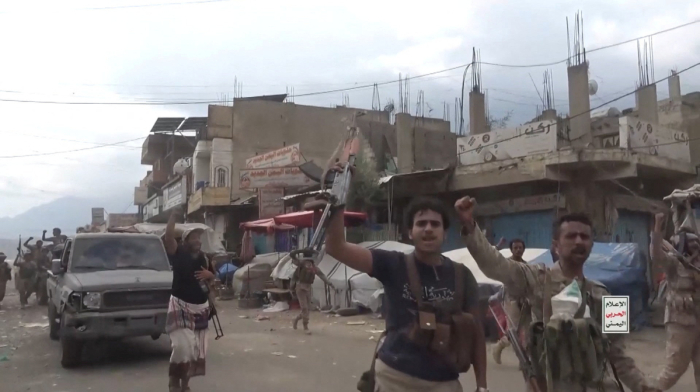
Afghan authorities say Pakistani jets entered northern Afghanistan, while Pakistan insists its actions target terrorism, highlighting continued strain after a temporary Eid ceasefire ended.
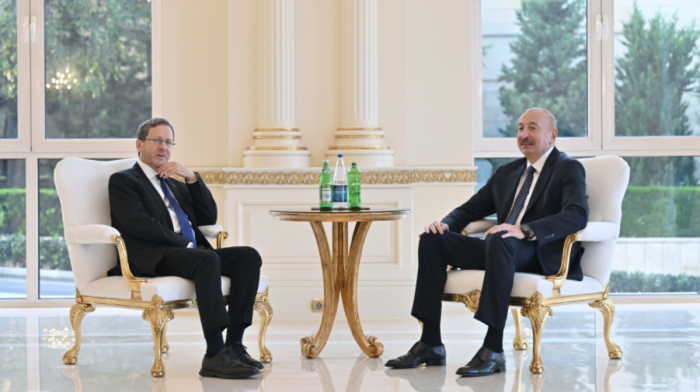
As conflict continues to unsettle the Middle East, airlines are being forced to make difficult, fast-moving decisions - redrawing flight paths and searching for safe skies. Amid this uncertainty, Azerbaijan has emerged as a crucial gateway linking Europe and Asia.
A flotilla carrying humanitarian aid arrived in Havana on Tuesday morning (24 March) amid a U.S. oil blockade that has dealt a major blow to the island's already ailing energy infrastructure.
Danish Prime Minister Mette Frederiksen's Social Democrats were headed for their worst election outcome in more than a century on Tuesday, as migration and welfare concerns obscured broad support for her defiant stance toward Washington over Greenland.
Voting has ended in Denmark’s parliamentary election, with Prime Minister Mette Frederiksen seeking a third term after a campaign shaped by tensions with the U.S. over Greenland and mounting domestic concerns.
Eurozone private sector growth almost stalled this month, a key survey showed on Tuesday, adding to evidence that the bloc is already feeling economic fallout from the U.S. and Israeli war with Iran, with inflation rising and growth slowing.
China is raising domestic petrol and diesel prices under temporary measures to manage a sharp surge in global oil costs, aiming to support fuel suppliers while maintaining market stability during a period of heightened volatility.
You can download the AnewZ application from Play Store and the App Store.
What is your opinion on this topic?
Leave the first comment