Iran rejects UN nuclear watchdog referral to Security Council
Iran has rejected as “irrelevant” a UN nuclear watchdog resolution referring its nuclear file to the UN Security Council, arguing that ...
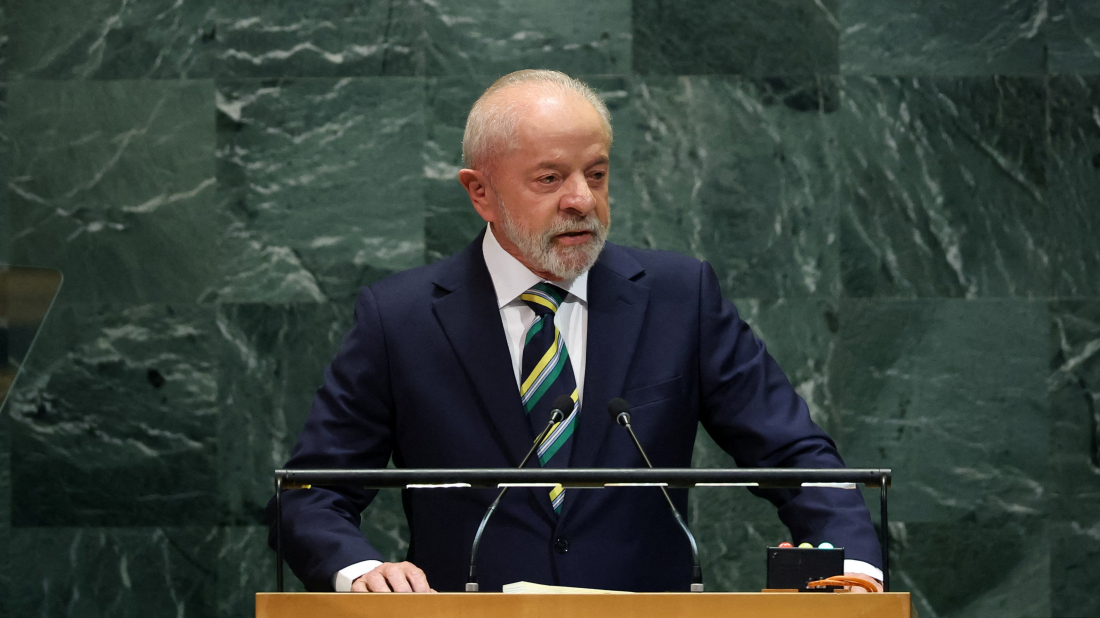
Brazilian President Luiz Inacio Lula da Silva and U.S. President Donald Trump agreed to meet in person following a friendly video call on Monday, raising hopes of improving relations strained by tariffs and political disputes.
The two leaders spoke for 30 minutes, reflecting on a brief encounter at last month’s United Nations General Assembly and exchanging phone numbers to maintain direct communication, according to Lula’s office.
Trump described the conversation as “very good,” focusing on trade and economic ties, and confirmed plans for future meetings in both countries.
Lula proposed an in-person meeting during the upcoming ASEAN summit in Malaysia and expressed willingness to visit the United States.
The talks come amid escalating trade tensions, with Trump raising tariffs on many Brazilian goods from 10% to 50% over the trial and conviction of former president Jair Bolsonaro, a move Bolsonaro labelled a “witch hunt.”
The tariff hikes have severely impacted Brazil’s exports, cutting coffee shipments to the U.S. by up to 70% and reducing beef exports, while driving up coffee prices for American consumers. Lula urged Trump to reverse the additional 40% tariff, according to the Brazilian statement.
Trump appointed Secretary of State Marco Rubio to continue negotiations with Brazilian officials, including Vice President Geraldo Alckmin and Finance Minister Fernando Haddad. The U.S. has also sanctioned Brazilian Supreme Court Justice Alexandre de Moraes under the Magnitsky Act and revoked visas of six senior officials, deepening the diplomatic rift.
At the U.N. last month, Lula criticised unilateral measures targeting Brazil’s institutions and economy, a veiled reference to Washington’s actions. Markets in Brazil are closely watching the outcome of the expected meeting, which could reshape the trade landscape between the two largest economies in North and South America.

Four people were killed, including a child, in Ukrainian strikes on the Russian port city of Novorossiysk overnight, according to the governor of the Krasnodar region. Ukraine's drone forces commander, Robert Brovdi, said Russian military ships were destroyed in the attacks.
Wildfires have broken out in Türkiye’s Antalya province, forcing hundreds of people to evacuate as strong winds fuelled the flames.
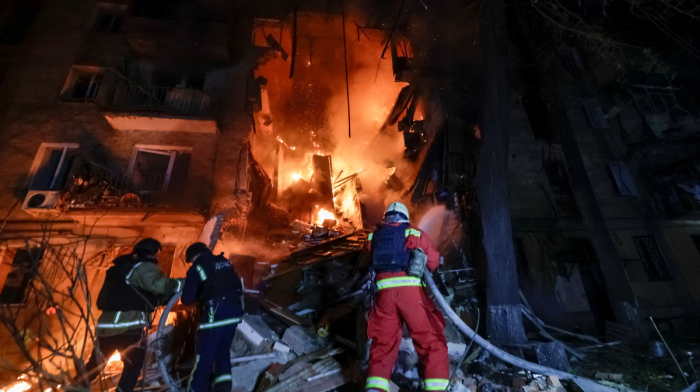
A TV channel was struck during a live broadcast on Tuesday, Ukrainian President Volodymyr Zelenskyy said, as Russian strikes on Kyiv killed at least three people, the city's Mayor Vitali Klitschko said. Meanwhile, drones hit civilian infrastructure in Russia's southwestern Saratov region.
Overnight Iranian strikes on an air base in Jordan damaged multiple U.S. aircraft and left one without a wing, American media reported. Meanwhile, explosions were heard across parts of southern Iran according to local media reports.
U.S. Central Command (CENTCOM) said its forces destroyed five Iranian crude oil carriers after the Islamic Revolutionary Guard Corps (IRGC) allegedly launched two ballistic missile attacks against a U.S. Navy warship over the past two days.
Ukrainian forces struck a Russian oil refinery in Siberia and a seaport in Dagestan in the past 24 hours, President Volodymyr Zelenskyy said. He will meet Canadian Prime Minister Mark Carney on Thursday to discuss air defences for Ukraine over winter.
Eight Muslim-majority countries have launched a joint push for wider international action against trade linked to Israeli settlements, seeking to build momentum from new measures announced by the UK and other Western governments.
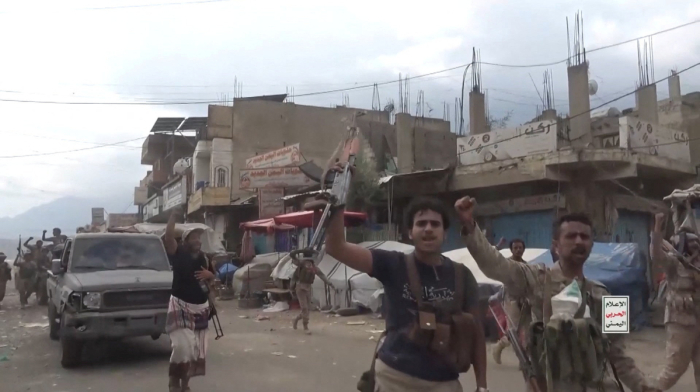
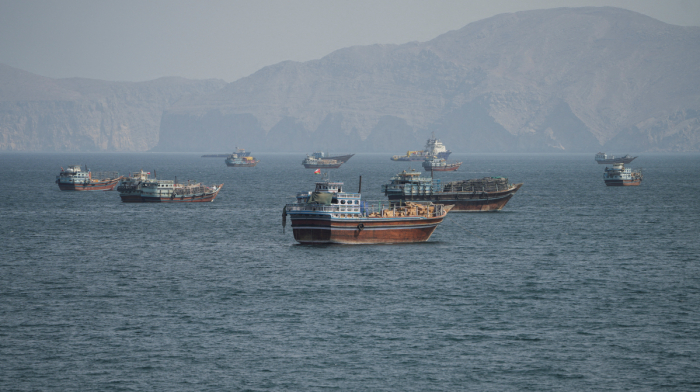
Saudi Arabia is facing a problem that goes beyond the latest Houthi attacks on its southern oil facilities. The kingdom is now dealing with pressure on energy exports at the Strait of Hormuz to the east and the Red Sea route to the west.
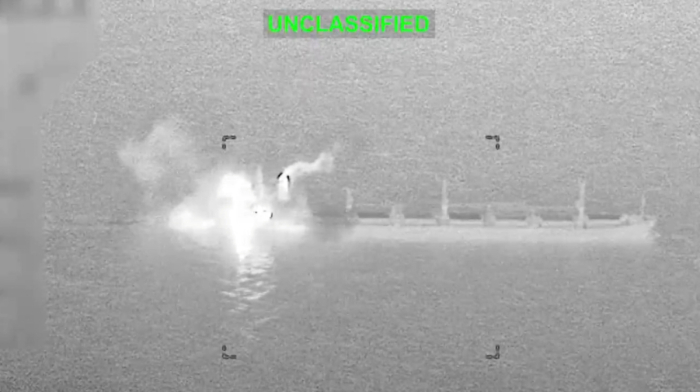
Two Azerbaijani sailors were killed on Wednesday when a foreign cargo ship they were travelling on was attacked by drones in the Black Sea, Baku's Foreign Ministry has said.
Iceland’s government plans to introduce legislation in February to permanently ban commercial whaling, potentially leaving Norway and Japan as the world’s only countries still allowing the practice.
You can download the AnewZ application from Play Store and the App Store.
What is your opinion on this topic?
Leave the first comment