G7 set to discuss climbing oil prices, release of emergency reserves
The Group of Seven (G7) finance ministers will meet on Monday to discuss a global rise in oil prices and a joint r...
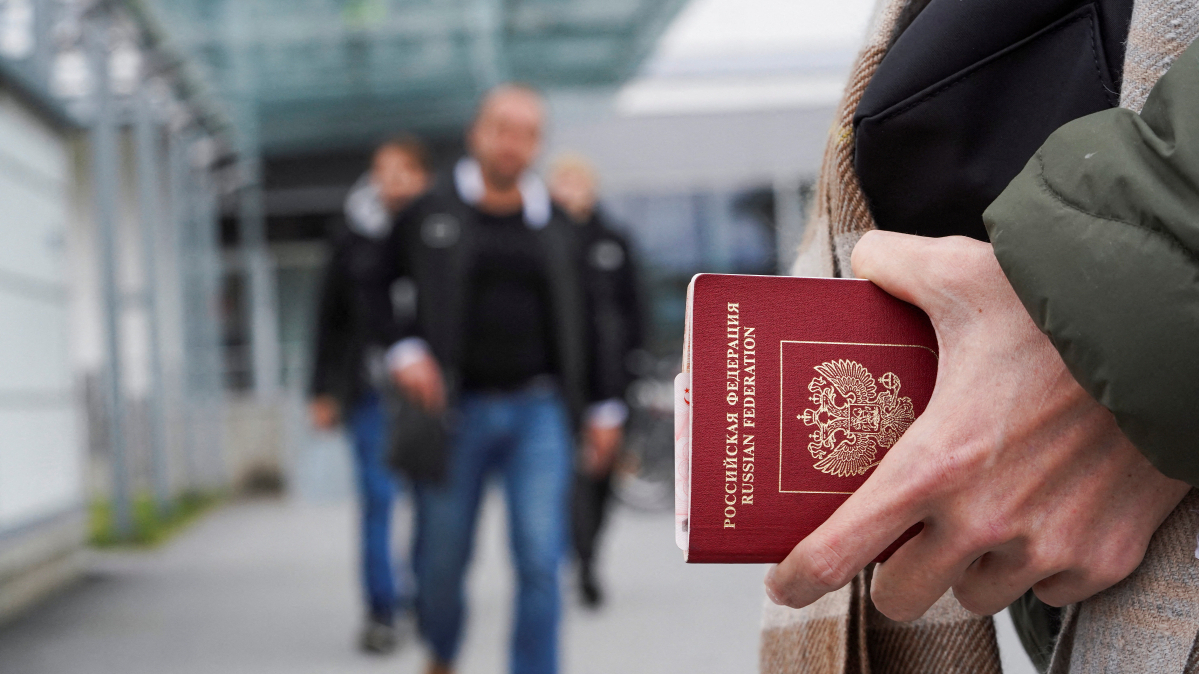
The European Commission has tightened Schengen visa rules for Russian citizens, limiting most new applicants to single-entry permits, citing security risks linked to the war in Ukraine.
The European Commission says Russia’s invasion of Ukraine has reshaped security risks tied to visa screening, prompting stricter entry rules for Russian nationals.
From now on, most Russian passport holders living in Russia will receive single-entry Schengen visas only.
“The new rules severely restrict the issuance of multiple-entry visas… certain limited exceptions remain,” said Commission spokesperson Markus Lammert on Friday.
Exemptions include:
Close family members of EU or Russia-based legal residents – eligible for multiple entries up to 1 year
Transport workers – eligible up to 9 months
Case-by-case approvals for applicants such as dissidents, independent journalists, human-rights defenders, and civil society representatives
The new policy is not retroactive and applies only to new applications.
Context
Visa restrictions were first tightened after Moscow’s war in Ukraine in 2022, when the EU suspended its Visa Facilitation Agreement with Russiamaking applications costlier and more complex.
Lammert confirmed the Commission is assessing additional measures with member states, but stressed that a total ban on multi-entry visas has not been formally adopted so far, despite recent media reports.
According to EU data, Schengen visas issued to Russians dropped from over 4 million in 2019 to 500,000 in 2023 following the initial restrictions.
Separately, under the EU’s 19th sanctions package, Russian diplomats must now notify member states before traveling within the Schengen zone, part of efforts to curb “hostile intelligence activity.”
A new visa strategy is expected next month, encouraging EU states to use visa policy as a security tool against countries considered high-risk.

Trump says the United States "don’t need people that join wars after we’ve already won," targeting his criticism at UK Prime Minister Keir Starmer. Israel continues to fire missles at strategic sites in Iran and Gulf regions report more strikes from Iran.
Baku has completed its evacuation of staff from the Azerbaijan Consulate General in Tabriz, while most employees from the Azerbaijan Embassy in Tehran have also returned.
Tehran’s Mehrabad Airport came under attack in heavy airstrikes on early Saturday morning (7 March), Iranian news agencies reported.
U.S. President Donald Trump threatened further attacks on Iran on Saturday (7 March), while the United Arab Emirates and Saudi Arabia continued to shoot down missiles in their airspace. Meanwhile, Iran’s President Masoud Pezeshkian said Tehran would stop attacking its neighbours.
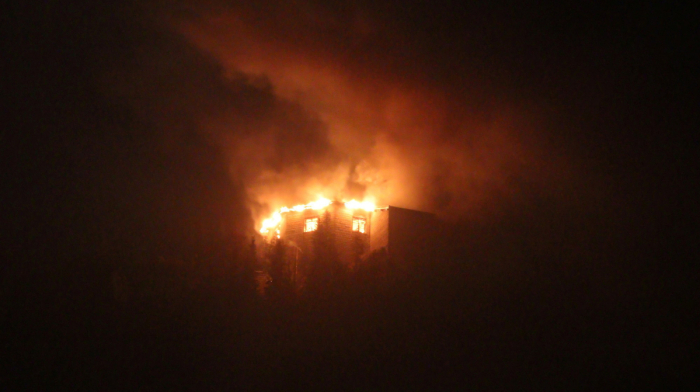
Russian attacks on Ukraine’s second largest city in the early hours of Saturday (7 March) killed 10 people, including two children. Kharkiv mayor, Ihor Terekov, said 10 residents died after a Russian ballistic missile hit a five storey apartment block in the city.
The Group of Seven (G7) finance ministers will meet on Monday to discuss a global rise in oil prices and a joint release of oil from emergency reserves coordinated by the International Energy Agency, the Financial Times reports.
Start your day informed with AnewZ Morning Brief. Here are the top news stories for the 9th of March, covering the latest developments you need to know.
Global oil prices have surged past $110 a barrel this Monday as fresh U.S.-Israeli strikes hit multiple targets, including oil depots. Stock markets fell on fears the conflict with Iran could disrupt shipments through the Strait of Hormuz, raising concerns over global energy supply.
The U.S. embassy in Oslo was hit by a loud explosion early on Sunday (8 March), causing minor damage but no injuries, in what may have been a deliberate attack linked to the crisis in the Middle East, Norwegian police said.
Russian attacks on Ukraine’s second largest city in the early hours of Saturday (7 March) killed 10 people, including two children. Kharkiv mayor, Ihor Terekov, said 10 residents died after a Russian ballistic missile hit a five storey apartment block in the city.
You can download the AnewZ application from Play Store and the App Store.
What is your opinion on this topic?
Leave the first comment