Iran's Pezeshkian says barter trade helps economy withstand sanctions
President Masoud Pezeshkian has defended his administration's economic performance under longstanding Western sanctions and severe wartime conditions,...
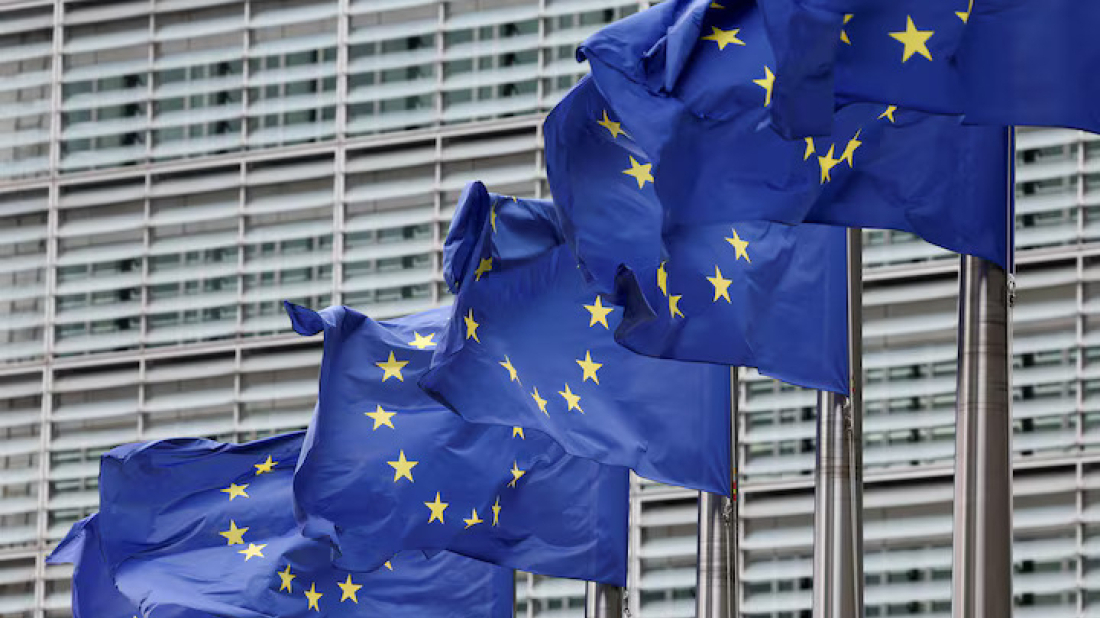
The European Union has approved its 19th package of sanctions against Russia over the conflict in Ukraine, introducing a ban on imports of Russian liquefied natural gas (LNG), the Danish presidency of the EU announced on Wednesday.
"We are very pleased to announce that we have just been informed by the last remaining member state that it is now ready to lift its reservation on the 19th sanctions package," the presidency said.
Slovakia had been the final country to withhold approval after member states agreed on the final text last week. Prime Minister Robert Fico had sought assurances from the European Commission regarding high energy costs and the alignment of climate goals with the needs of carmakers and heavy industry. A Slovak diplomat confirmed that these concerns were addressed through new clauses added to the final communiqué for the upcoming EU leaders’ summit on Thursday.
"As a result, a written procedure for Council approval has been launched. If no objections are raised, the package will be formally adopted tomorrow at 8 a.m.," the statement added.
The LNG ban will be implemented in two phases: short-term contracts will expire after six months, while long-term ones will cease from 1 January 2027, a full year earlier than the Commission’s original plan to end the bloc’s dependence on Russian fossil fuels.
The sanctions package also imposes new travel restrictions on Russian diplomats and adds 117 ships to Moscow’s so-called “shadow fleet”, mainly oil tankers, bringing the total number of listed vessels to 558.

U.S. President Donald Trump said there was an "all-day negotiation" on Tuesday with Iran, characterising the talks positively while also threatening to hit Iran "really hard" if a deal was not reached.
Shipping traffic through the Strait of Hormuz and the Bab el-Mandeb Strait, two key maritime chokepoints in the region, decreased significantly from the previous day, according to shipping data.
Start your day informed with AnewZ Morning Brief. Here are the top news stories for the 6th of August, covering the latest developments.
Kazakhstan’s main oil export corridor was disrupted by drone strikes near Russia’s Black Sea coast in July, forcing a temporary suspension of crude loadings and raising fresh concerns over the vulnerability of regional energy infrastructure to the war in Ukraine.
Ukrainian President Volodymyr Zelenskyy has dismissed the country's ambassadors to Tajikistan, Kyrgyzstan and several other countries. The removals came after a speech on Monday in which he said embassies would be judged on their effectiveness in securing weapons for Ukraine.
Uzbek exporters say repeated disruptions to Wildberries' logistics network in Russia have slowed deliveries and affected overseas sales, prompting the government to hold talks with the online marketplace's management.
Tajikistan tripled fuel imports from neighbouring Central Asian countries in July after deliveries from Russia declined sharply, underscoring how disruptions to Russian exports are prompting governments across the region to seek alternative suppliers.
Morocco has expressed its readiness to work with Spain and other European partners to identify and return unaccompanied minors following the mass arrival of tens of thousands of migrants Ceuta last week.
Three students and three teachers are among the dead following a school shooting in Thailand, with at least 15 injured, according to Royal Thai Police.
Start your day informed with AnewZ Morning Brief. Here are the top news stories for the 7th of August, covering the latest developments.
You can download the AnewZ application from Play Store and the App Store.
What is your opinion on this topic?
Leave the first comment