U.S. plans to unveil criminal charges against Raul Castro next Wednesday
The Trump administration plans to announce criminal charges against former Cuban president...
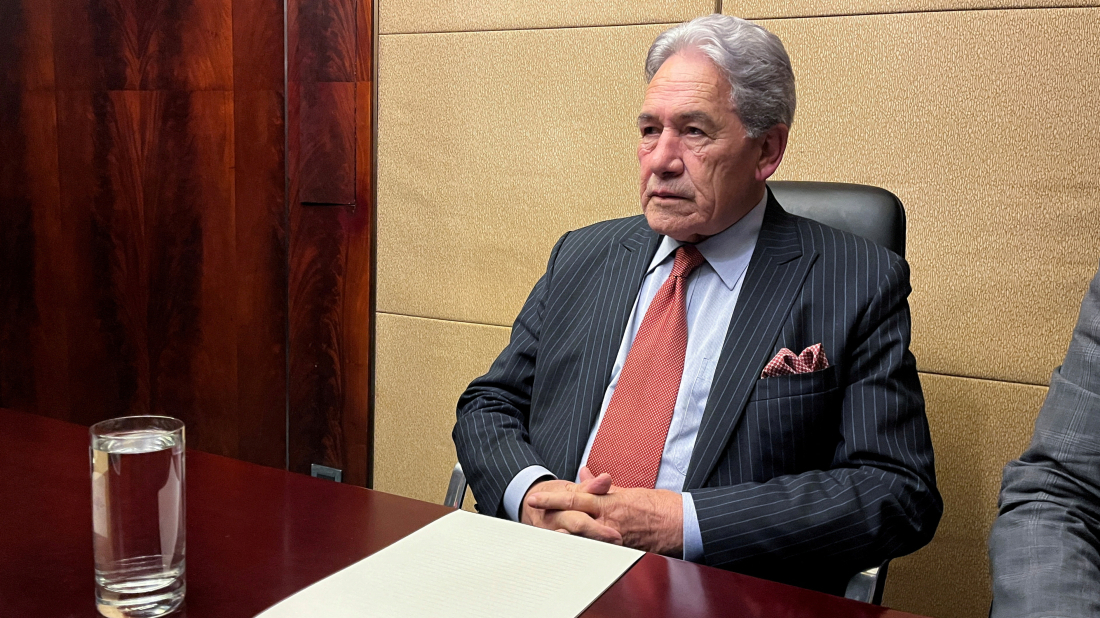
New Zealand is reimposing sanctions on Iran due to concerns about Iran's non-compliance with its nuclear obligations, Foreign Minister Winston Peters said in a statement on Friday.
The statement said the reimposition of United Nations sanctions is a result of Iran not complying with the terms of the internationally recognised Joint Comprehensive Plan of Action which was signed in 2015, and will take effect on 18 October.
The announcement comes after Britain, France and Germany also reimposed the U.N. sanctions citing Iranian breaches, and after Australia in August accused Iran of directing two antisemitic arson attacks in the cities of Sydney and Melbourne and gave Tehran's ambassador seven days to leave the country.
The sanctions introduce a range of restrictions including an asset freeze and travel bans for sanctioned persons, import and export bans on certain nuclear and military goods, and a duty on New Zealanders to exercise vigilance in dealings with Iran, it added.
“This reimposition of U.N.-mandated sanctions reflects the international community’s deep concerns about Iran’s non-compliance with its nuclear obligations and unjustifiable levels of uranium enrichment activity,” Peters said.
“New Zealand has consistently supported diplomatic efforts to prevent the proliferation of nuclear weapons from any source. We strongly encourage Iran to re-engage in negotiations and resume full cooperation with the International Atomic Energy Agency.”
Peters said New Zealand will also be introducing a compulsory registration scheme for New Zealanders who intend to do business with Iran, which comes into effect on 1 February, 2026.

The U.S.-Israeli war with Iran loomed over U.S. President Donald Trump's visit to China, as signs emerged that the conflict is causing a shift in alliances across the Middle East.
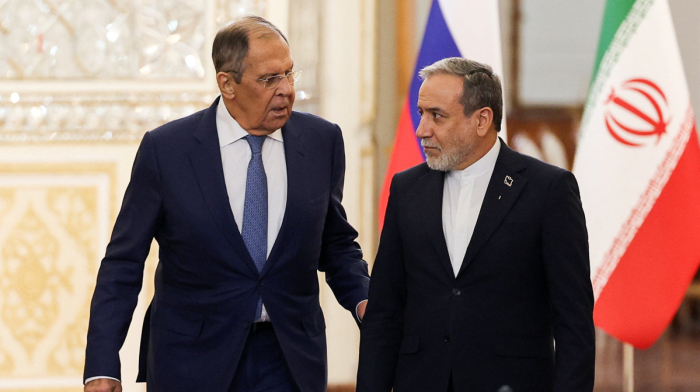
Iran’s Foreign Minister Abbas Araghchi said Tehran has “no trust” in the United States and will only consider negotiations if Washington shows seriousness. His remarks came as talks on Iran’s nuclear programme continued, with Trump and Xi also opposing Iran acquiring nuclear weapons.
British Prime Minister Keir Starmer was fighting for his political survival on Thursday (14 May) after Health Secretary Wes Streeting resigned, saying he had “lost confidence” in Starmer’s leadership.
Türkiye has issued 20,000 work visas to Afghan citizens for jobs in the livestock sector, the Turkish Embassy’s chargé d’affaires in Kabul said during talks with Afghanistan’s refugee minister on Wednesday.
The second semi-final of the 70th Eurovision Song Contest 2026 takes place tonight in a rain-soaked Vienna, with the final 10 places in Saturday’s grand final still up for grabs.
China has launched the world’s first experiment to study how artificial human embryos develop in space, marking a major step in understanding whether humans could one day reproduce beyond Earth.
Every day, an elderly woman in China’s Shandong province looks forward to a video call from her son. He asks about her health, tells her he has been busy with work, and promises he will come home once he has saved enough money. She tells him she misses him. He tells her to take care of herself.
The Trump administration plans to announce criminal charges against former Cuban president Raul Castro next Wednesday, according to a U.S. Justice Department official, in a move that would escalate the pressure campaign against the island's communist government.
U.S. President Donald Trump said on Friday that Abu-Bilal al-Minuki, second in command of ISIS globally, was killed in an operation conducted by U.S. and Nigerian forces.
Start your day informed with the AnewZ Morning Brief. Here are the top stories for the 16th of May, covering the latest developments you need to know.
You can download the AnewZ application from Play Store and the App Store.
What is your opinion on this topic?
Leave the first comment