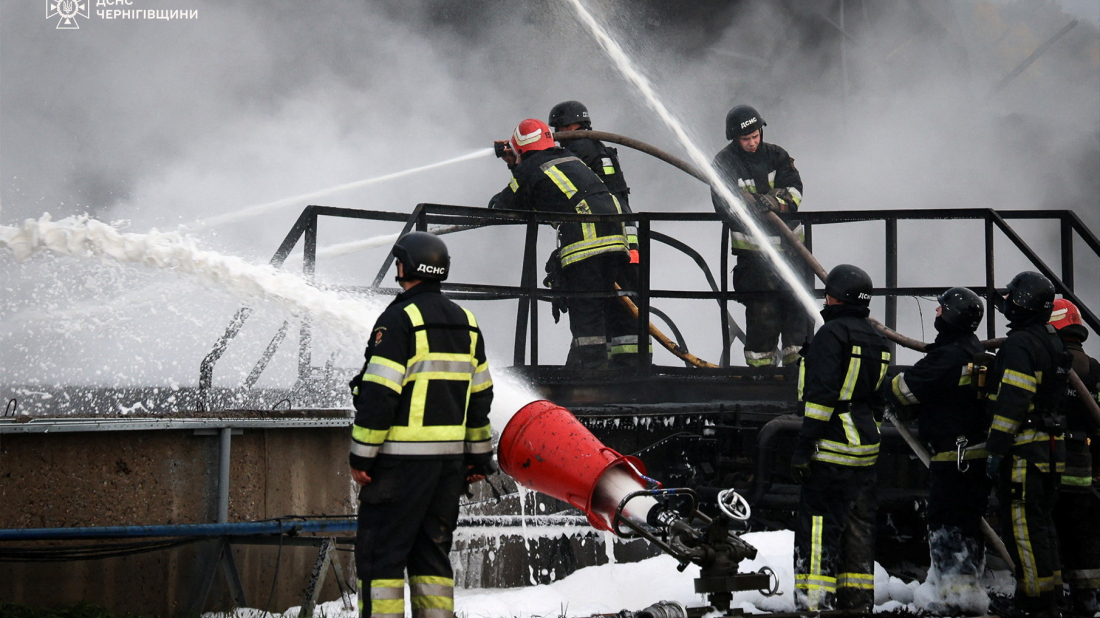
Russian attacks have forced Ukraine to suspend activities at several major gas facilities this month, the state energy company said on Thursday, leaving Kyiv in need of more imports.
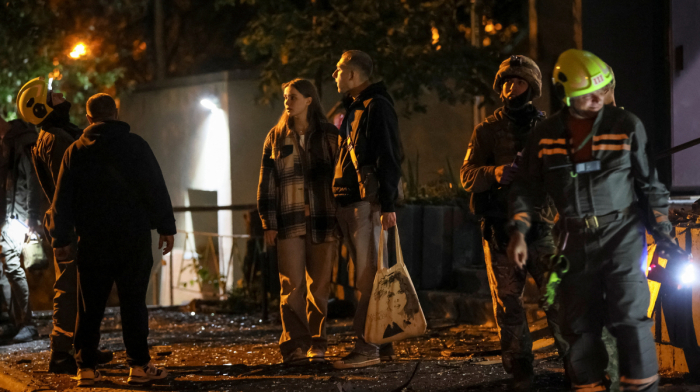
Ukraine's President Volodymyr Zelenskiy is due to meet U.S. Donald Trump on Friday, with potential U.S. energy procurement for Kyiv as well as weapon sales believed to be on the table. In its latest barrage, Russia launched more than 300 drones and 37 missiles to target infrastructure across Ukraine in overnight attacks on Thursday, Zelenskiy said.
"This autumn, the Russians use every single day to strike at our energy infrastructure," he said on X.
Russia has been hitting Ukraine's energy and power facilities for consecutive winters as the war drags into its fourth year, initially focusing on electricity but this year increasingly targeting gas infrastructure.
Sergii Koretskyi, CEO of state energy company Naftogaz, said there had been six major attacks on gas facilities this month alone. The latest hits damaged facilities in several regions with operations halted at some, he said.
"This directly impacts the volume of domestic gas production, which we are forced to cover through imports," Koretskyi said, urging Ukrainians to consume gas economically.
GAS NEEDED FOR COLD MONTHS
Ukraine's cash-strapped government is in talks with international allies to raise funds to import more for the cold autumn and winter months.
Ukraine will need to import at least 6.3 billion cubic metres (bcm) of gas for the 2025/26 winter season and may also have to restrict supplies to consumers, the former head of Ukraine's gas transit operator Serhiy Makogon said.
His forecasts significantly exceed the estimates of the energy ministry, which forecast imports at 4.6 bcm, but stated the need for additional purchases after Russian attacks.
"Everything depends on (Russian) strikes here. If they become even stronger, we will have to import more. Or restrict consumers — industry and heat and power companies," Makogon told in written comments.
Russia's Defence Ministry confirmed its forces had carried out a "massive strike" on Ukrainian gas infrastructure, which it said was supporting Kyiv's military, in retaliation for what it said were Ukrainian attacks on civilian infrastructure.
Kyiv has ramped up its own attacks on Russian targets, including an oil refinery in the Saratov region on Thursday.
"(Russian President Vladimir) Putin has turned a deaf ear to everything the world says, so the only language that can still get through to him is the language of pressure," Zelenskiy said.




















What is your opinion on this topic?
Leave the first comment