Police in China detained dozens of pastors of one of its largest underground churches over the weekend, a church spokesperson and relatives said, in the biggest crackdown on Christians since 2018.
The detentions, which come amid renewed China-U.S. tensions after Beijing dramatically expanded rare earth export controls last week, drew condemnation from Secretary of State Marco Rubio, who called on Sunday for the pastors' immediate release.
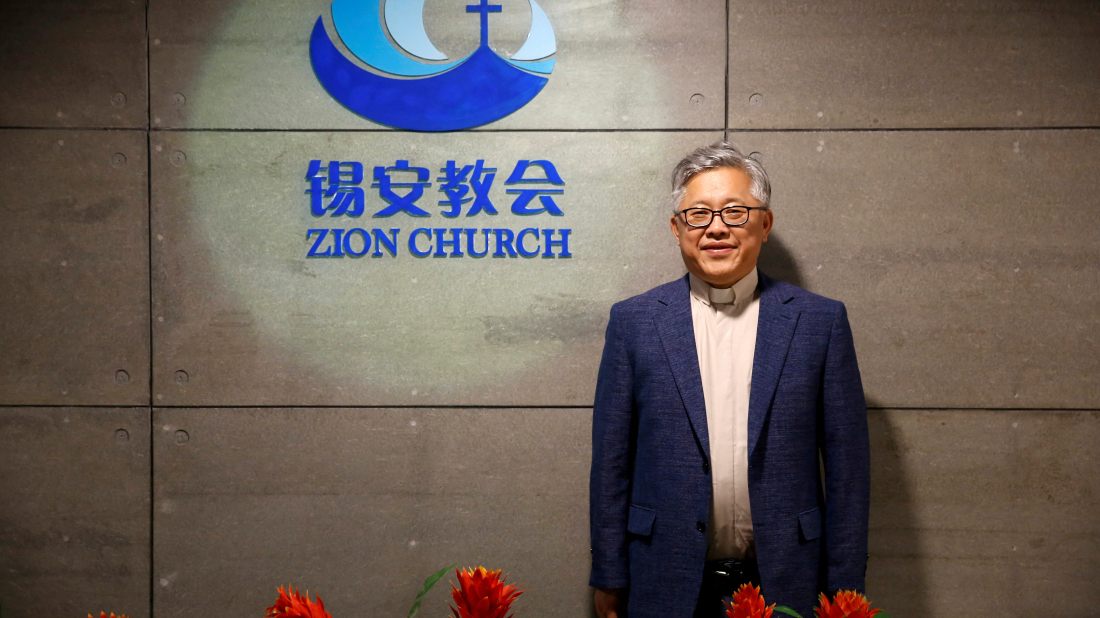
Pastor Jin Mingri, the founder of Zion Church, an unofficial "house church" not sanctioned by the government, was detained at his home in the southern city of Beihai on Friday evening, said his daughter, Grace Jin, and a church spokesperson, Sean Long.
"What just happened is part of a new wave of religious persecution this year," said Long, adding that police had questioned more than 150 worshippers and stepped up harassment at in-person Sunday services in recent months.
Speaking to Reuters from his home in the United States, Long added that around the same time, authorities detained nearly 30 pastors and church members nationwide, but later released five.
About 20 pastors and church leaders remain in detention, he added.
Police in Beihai could not be reached by telephone for comment. China's ministry of public security did not immediately respond to a faxed request for comment.
Jin, 56, is being held in Beihai City No. 2 Detention Centre on suspicion of "illegal use of information networks", an official detention notice that Long provided to Reuters showed. The charge carries a maximum jail term of seven years.
Supporters fear Jin and other pastors could eventually be indicted on charges of illegally using the internet to disseminate religious information.
"He's been hospitalised in the past for diabetes. We're worried since he requires medication," Grace Jin said. "I've also been notified that lawyers are not allowed to meet the pastors, so that is very concerning to us."
The crackdown comes a month after new rules from China's top religion regulator banned unauthorised online preaching or religious training by clergy, as well as "foreign collusion".
Last month, President Xi Jinping also vowed to "implement strict law enforcement" and to advance the Sinicisation of religion in China.
China has more than 44 million Christians registered with state-sanctioned churches, the majority Protestant, official figures show.
But tens of millions more are estimated to be part of illegal "house churches" that operate outside the control of the ruling Communist Party.
Zion Church, with about 5,000 regular worshippers across nearly 50 cities, rapidly added members during the COVID-19 pandemic through Zoom sermons and small in-person gatherings, Long said.
The church was founded by Jin, also known as Ezra, in 2007, after he quit as a pastor for the official Protestant church.
A graduate of the elite Peking University, Jin converted to Christianity after witnessing the 1989 Tiananmen crackdown, Long added.
In 2018, police shut down its church building in Beijing, the capital, during a crackdown on major house churches. Earlier this year, police temporarily detained 11 Zion Church pastors, Long said.
The government placed travel restrictions on Jin in 2018, so that he could not visit his wife and three children who had resettled in the United States, Grace Jin said.
"I think he had always known that there was a possibility he would be imprisoned," she added.
In a sign of restrictions on his movements, he was intercepted and taken back to Beihai by dozens of police during a visit to Shanghai last month, said Grace Jin and Bob Fu, founder of Christian NGO ChinaAid.
"The key underlying reason is that Zion Church has grown explosively into a well-organised network in recent years, which of course must scare the Communist Party leadership," said Fu.












What is your opinion on this topic?
Leave the first comment