




23:25 CET
Nigeria confirms Ebola case in Abuja
Nigerian health authorities have confirmed a case of Ebola disease in the Federal Capital Territory (FCT)...
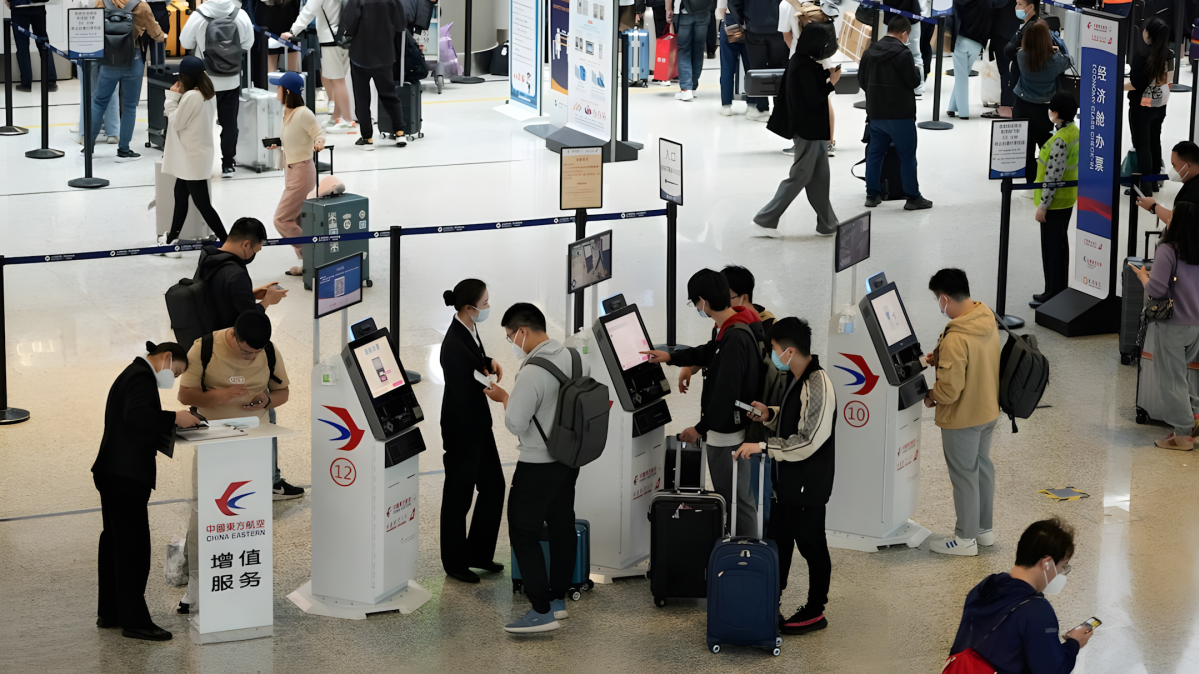


Travel demand across China is expected to remain robust during the upcoming five-day Labour Day holiday starting 1 May.
However, travel patterns are shifting. More people are choosing domestic road trips and independent rail journeys as soaring jet fuel costs push overseas holidays out of reach.
Travel agencies and industry experts say most holidaymakers will stay within China. This continues a trend seen in recent years, with consumers favouring cheaper local destinations amid economic slowdown and weak wage growth. That caution has now been compounded by logistical disruption. Rising jet fuel prices, linked to the ongoing war involving Iran, have made international air travel increasingly unaffordable.
High fuel costs have triggered a wave of flight cancellations, particularly on busy routes between China and Southeast Asia. Domestic media report that major carriers including Air China, China Eastern, Spring Airlines and AirAsia have reduced or suspended services to destinations such as Bangkok, Phuket and Kuala Lumpur.
The disruption is significant. Data from the China Air Transport Association shows international flight cancellations during the May Day holiday period have reached 7.4 per cent, equating to around 785 cancelled flights—more than double last year’s rate.
"We are starting to feel the impact of the Iran war on the availability and price of jet fuel, and this is leading to some major cancellations of flights between China and Southeast Asia, especially by low-cost carriers," said Sienna Parulis-Cook, marketing and communications director at Dragon Trail Research.
She added that many routes are no longer economically viable, with remaining flights between China and Southeast Asia priced on average 18 per cent higher than a year ago.
For some travellers, uncertainty persists. May Pan, a 39-year-old Beijing resident, said she was relieved her planned trip to Langkawi had not been affected.
"We planned this trip a long time ago, and I bought the air tickets six months ago," she said. "I heard that many flights to Southeast Asia have been cancelled, but luckily, so far, ours remains unchanged."
With international air travel seen as both costly and unreliable, domestic alternatives are booming. However, it remains unclear whether per capita holiday spending will return to pre-pandemic levels.
Train travel is increasingly favoured, offering lower costs and avoiding disruption. China Railway Group expects 158 million rail journeys between 29 April and 6 May, up from 151 million last year.
"People may choose to travel domestically by train. They can also get to Hong Kong and Macau by train, so not risking any flight cancellations that way," Parulis-Cook said.
Geopolitical concerns are also shaping behaviour. Dragon Trail’s latest Chinese Traveller Sentiment Report found 43 per cent of respondents said their travel plans had been directly affected by the Middle East conflict. Two-thirds reported reduced willingness to visit the Middle East and North Africa.
Domestic travel providers are benefiting from the shift. Travel agency Tuniu reported bookings for self-driving group tours over Labour Day rose more than 50 per cent year-on-year, while demand for independent travel packages increased by nearly 20 per cent.
Authorities are also extending holidays to boost travel. In Zhejiang province, school breaks have been aligned with public holidays to create a “3+5” extended break. Tuniu said bookings in the province surged 135 per cent year-on-year, with trips from nearby cities such as Huzhou and Hangzhou more than tripling.
Zhou Weihong, deputy general manager at Shanghai-based Spring Tour, said domestic travel would outperform international trips.
"The number of domestic trips ordered via our platform increased 20 per cent year-on-year," he said.
China’s tourism sector is increasingly viewed as a gauge of consumer confidence. First-quarter data showed retail sales grew by just 2.4 per cent, lagging behind GDP growth of 5 per cent.
To stimulate spending, local governments have expanded cultural and tourism activities, including spring outings and educational travel. Authorities have also issued more than 284 billion yuan (£33.3 billion) in vouchers and subsidies to encourage consumption.
The push reflects broader efforts to revive domestic demand as international travel remains uncertain.

Nigerian health authorities have confirmed a case of Ebola disease in the Federal Capital Territory (FCT)...
China has lodged a formal diplomatic protest with the UK after British border officials allegedly subjected Chinese travellers to lengthy questioni...
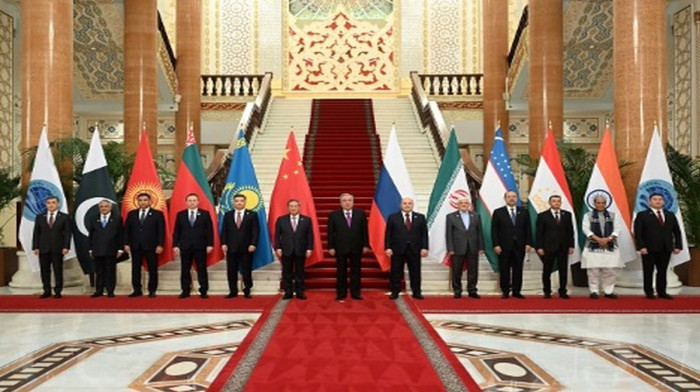
Member states of the Shanghai Cooperation Organisation (SCO) prevented 273 terrorist attacks and more than 3,000 crimes linked to terrorism, separa...
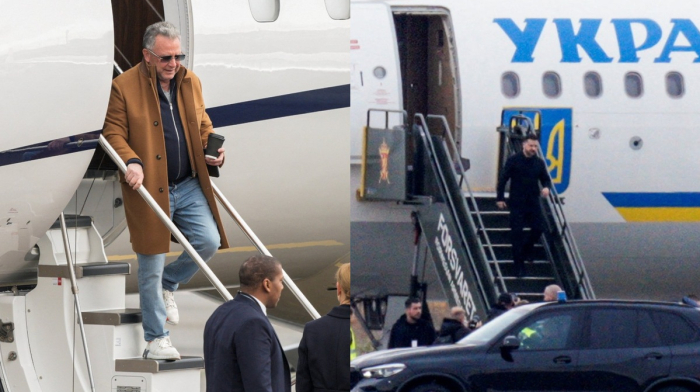
Ukrainian President Volodymyr Zelenskyy has arrived in Norway for talks about the Russia-Ukraine war. He is expected to meet with U.S. President Donald Trump's Special Envoy Steve Witkoff, who arrived in Oslo earlier. Witkoff will also meet European officials.
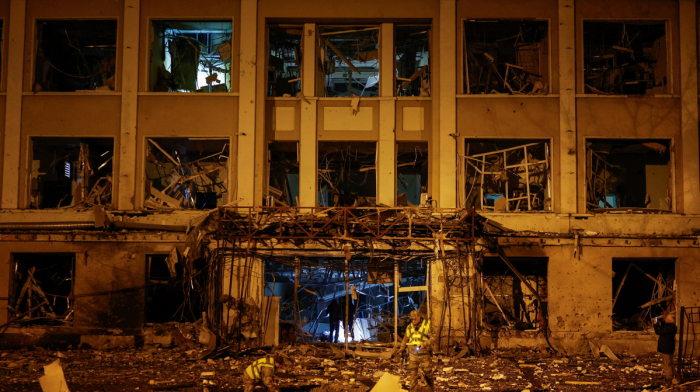
U.S. President Donald Trump has criticised Ukrainian President Volodymyr Zelenskyy for continuing to target Russia's energy infrastructure, while Russian strikes on Kyiv overnight killed at least one person and damaged a metro station.

French President Emmanuel Macron has condemned the violence, looting and vandalism that erupted during cost-of-living protests across France. Prime Minister Sébastien Lecornu held crisis talks on Monday, calling for partial curfews and raising the possibility of a state of emergency.
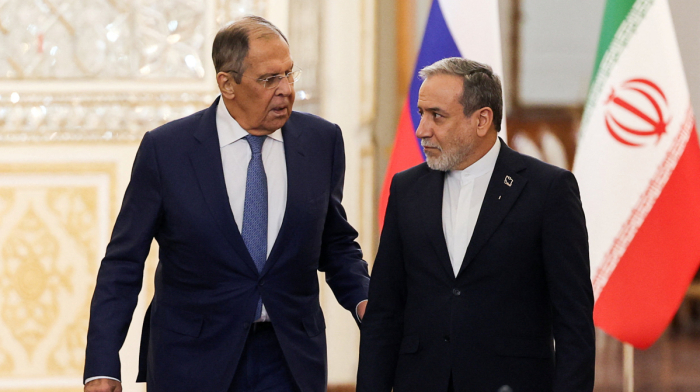
Iranian Foreign Minister Abbas Araghchi said regional issues should be resolved through diplomacy and blamed the United States for insecurity and tensions in the Strait of Hormuz, speaking at a joint news conference with Russian Foreign Minister Sergey Lavrov on Monday.
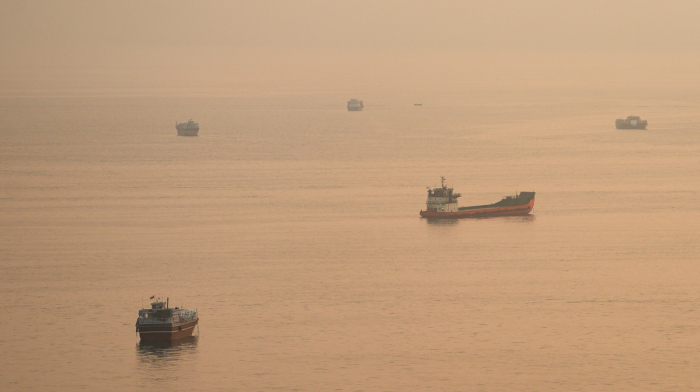
An oil tanker caught fire after striking a naval mine in the southern part of the Strait of Hormuz, Iran’s Islamic Revolutionary Guard Corps (IRGC) Navy said late Sunday.
Nigerian health authorities have confirmed a case of Ebola disease in the Federal Capital Territory (FCT), prompting the activation of emergency public health measures aimed at preventing further transmission of the deadly virus.
China has lodged a formal diplomatic protest with the UK after British border officials allegedly subjected Chinese travellers to lengthy questioning and seized personal electronic devices, including phones, laptops and smartwatches.

More than 150 people have been killed in a drone strike on a crowded market in the disputed Abyei region, South Sudanese officials said, marking one of the deadliest attacks linked to Sudan's civil war since it began in April 2023.
Ukrainian President Volodymyr Zelenskyy has arrived in Norway for talks about the Russia-Ukraine war. He is expected to meet with U.S. President Donald Trump's Special Envoy Steve Witkoff, who arrived in Oslo earlier. Witkoff will also meet European officials.
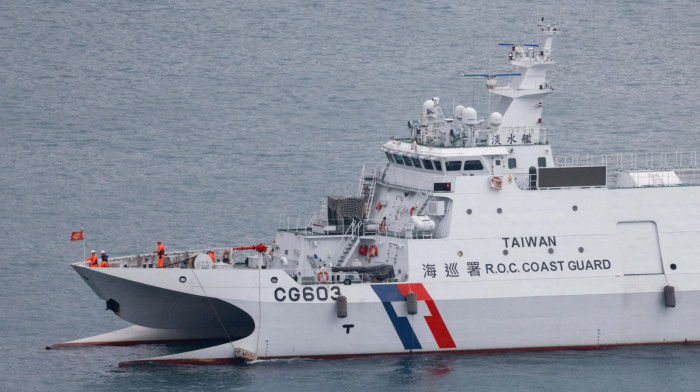
Beijing says it deployed naval forces to monitor a U.S. warship near Sabina Shoal, while Taiwan reports a separate confrontation with a Chinese coast guard vessel near the Pratas Islands.
You can download the AnewZ application from Play Store and the App Store.




What is your opinion on this topic?
Leave the first comment