live Iran closes Strait of Hormuz again over U.S. blockade, state media says- Saturday 18 April
Iran's Islamic Revolutionary Guards Corps (IRGC) said in a Saturday statement that the Strait of Hormuz has...
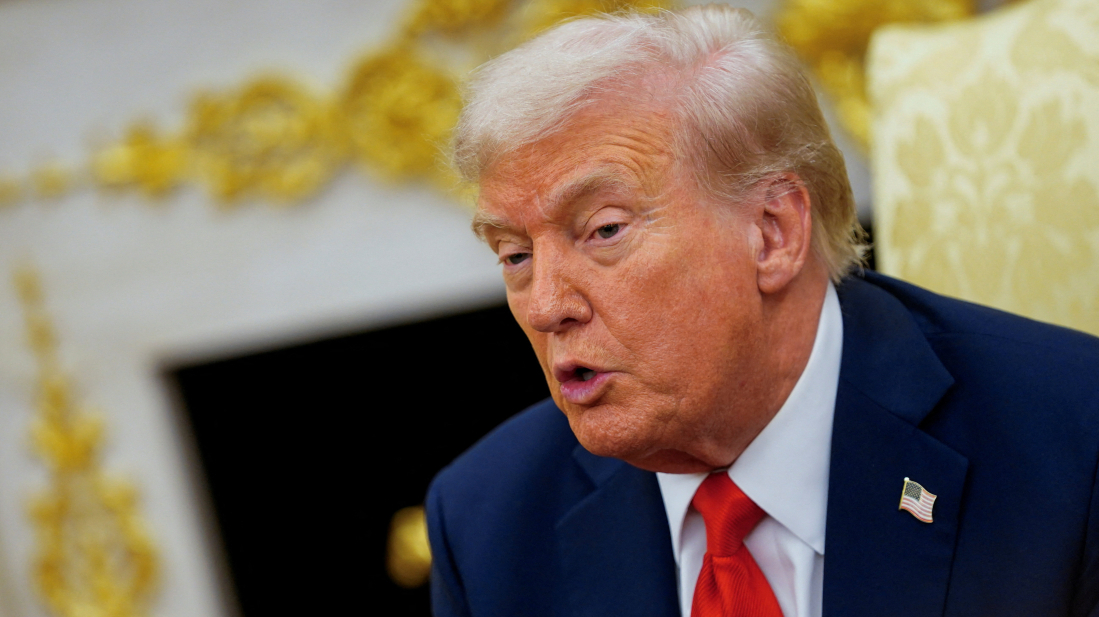
U.S. President Donald Trump suggested on Thursday the NATO alliance should weigh throwing Spain out of its membership ranks over a dispute about the Western European nation's lagging military spending.
Members of the U.S.-backed security alliance agreed in June to sharply increase their military spending to 5% of gross domestic product, delivering on a major priority for Trump, who wants Europeans to spend more on their own defence.
But Spanish Prime Minister Pedro Sanchez said at the time that he would not commit to the 5% target, calling it "incompatible with our welfare state and our world vision."
At an Oval Office meeting on 9 October with the leader of NATO's second-newest member, Finnish President Alexander Stubb, Trump said European leaders need to prevail upon Spain to boost its commitments to the alliance.
"You people are gonna have to start speaking to Spain," Trump said. "You have to call them and find why are they a laggard."
"They have no excuse not to do this, but that's alright. Maybe you should throw 'em out of NATO frankly," he added.
Spain joined the North Atlantic Treaty Organization in 1982. The 32-member collective-defence alliance has been in focus since Russia invaded Ukraine in 2022 and launched the deadliest land war in Europe since World War Two.
Meanwhile, when asked whether Washington planned new sanctions on Moscow, Trump replied, “I might,” indicating that further measures against Russia were under consideration.
He also dismissed the idea of withdrawing U.S. forces from Europe, saying the American military presence would remain steady.
“We have a lot of troops in Europe, as you know — a lot — and we can move them around a little bit, but no, basically we’ll be pretty much set,” Trump said.

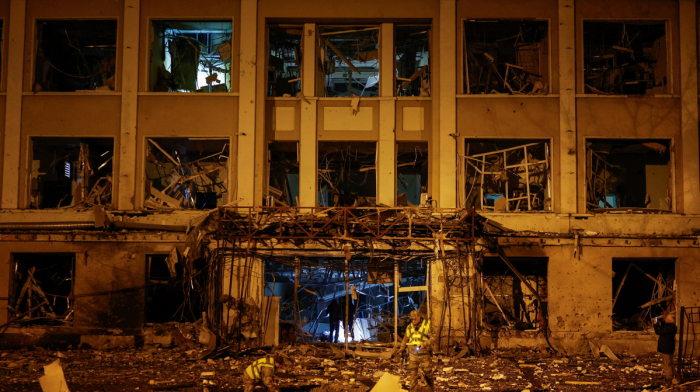
The past 24 hours of the Russia-Ukraine war have seen a drastic escalation in both aerial bombardment and frontline losses.
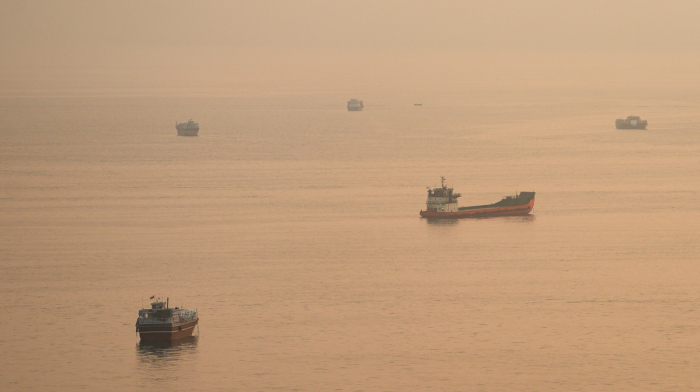
Iran reopened the Strait of Hormuz to commercial shipping on Friday (17 April) for the first time since the U.S. and Israel killed Iran's ex-Supreme Leader in air strikes, triggering the Middle East conflict, at the end of February. A U.S. blockade on Iranian ports, however, remains in force.
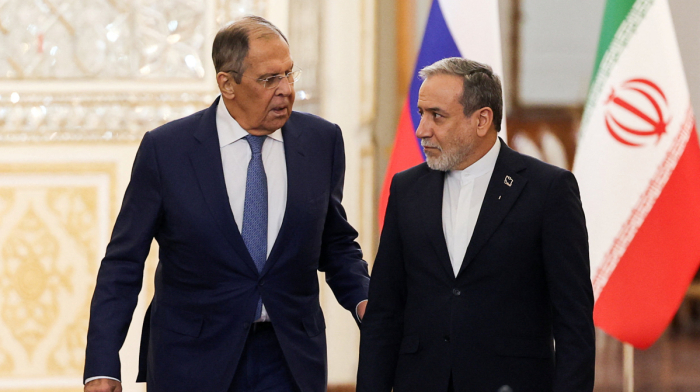
Iran's Islamic Revolutionary Guards Corps (IRGC) said in a Saturday statement that the Strait of Hormuz has returned to its "previous state" under the control of its "armed forces," citing the ongoing U.S. blockade on Iranian ports.
Netflix shares fell sharply on Friday after the streaming group issued a weaker-than-expected outlook and said chairman and co-founder Reed Hastings will step down from the board.
Eight people have died after a helicopter crash in West Kalimantan province, Indonesia. Authorities said contact was lost five minutes after taking off from a plantation area in Melawi.
At least five people have been killed after a man opened fire in a supermarket in the Ukrainian capital, Kyiv, on Saturday (18 April).
Bulgaria heads to the polls on Sunday (19 April) for its eighth election in five years, amid mounting public frustration over corruption scandals and repeated government collapses.
The Trump administration extended a sanctions exemption on some Russian oil as prices continue to skyrocket in the wake of the U.S.- Israeli war against Iran on Friday (17 April).
Australia and Japan signed contracts on Saturday (18 April) launching their landmark A$10 billion ($7 billion) deal to supply Australia with warships, Tokyo's most consequential military sale since ending a military export ban in 2014.
Leaders from across Europe and beyond gathered in Paris on Friday for a summit aimed at managing the global impact of the Middle East conflict.
You can download the AnewZ application from Play Store and the App Store.
What is your opinion on this topic?
Leave the first comment