Russia and Belarus are rehearsing the launch of Russian tactical nuclear weapons as part of joint war games, Belarusian leader Alexander Lukashenko said on Tuesday.
State media quoted the Belarusian chief of staff as saying that the exercises also featured Russia's Oreshnik hypersonic missile, which it test-fired last year in the war with Ukraine.
Russia and Belarus are wrapping up five days of war games, codenamed Zapad (West), in a show of force they say is designed to test their combat readiness, but which has unnerved some surrounding countries given the ongoing war.
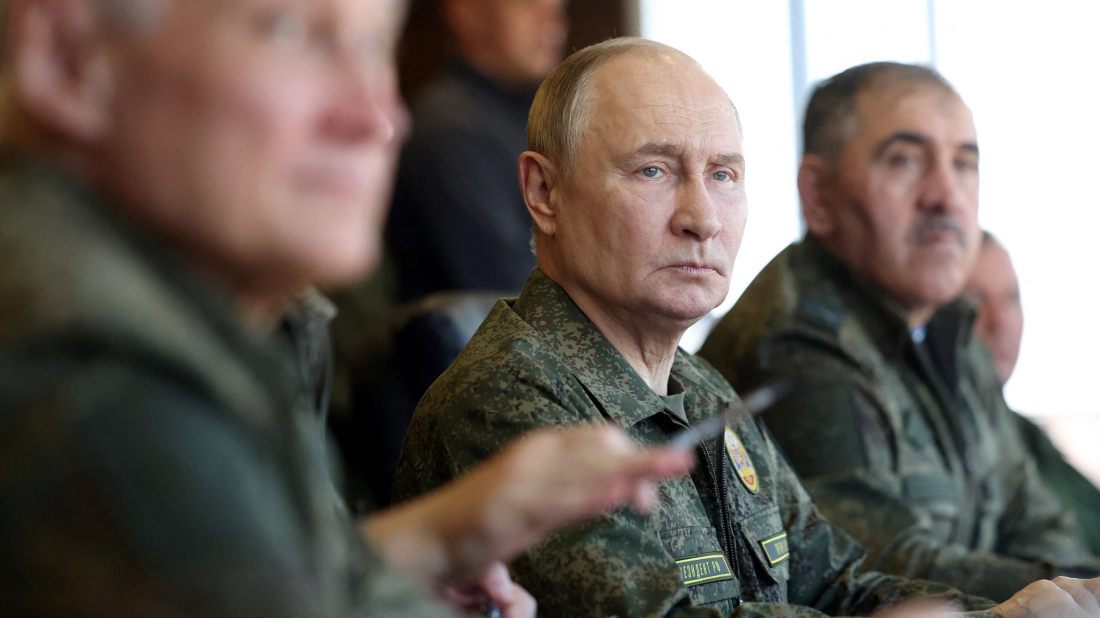
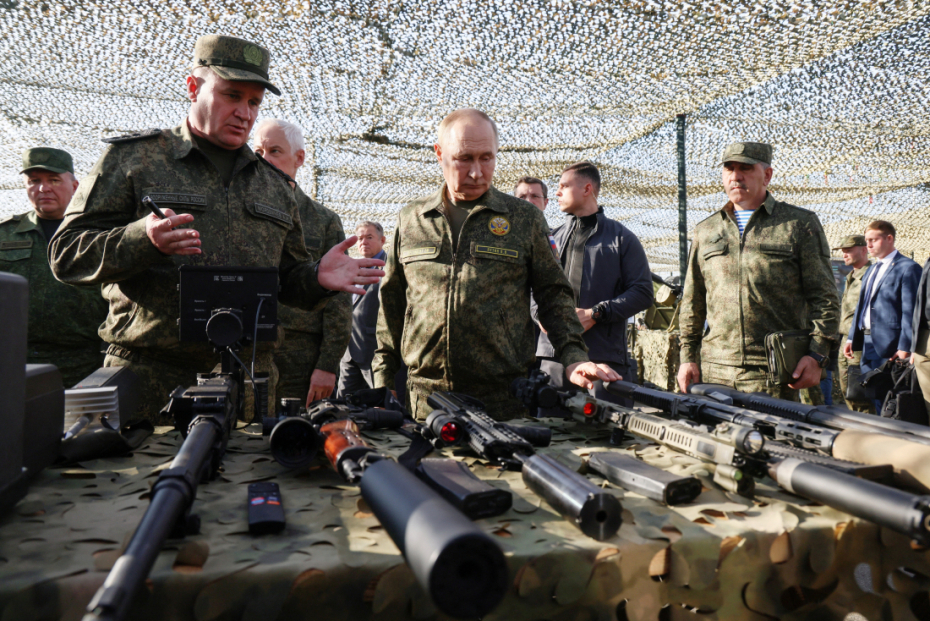
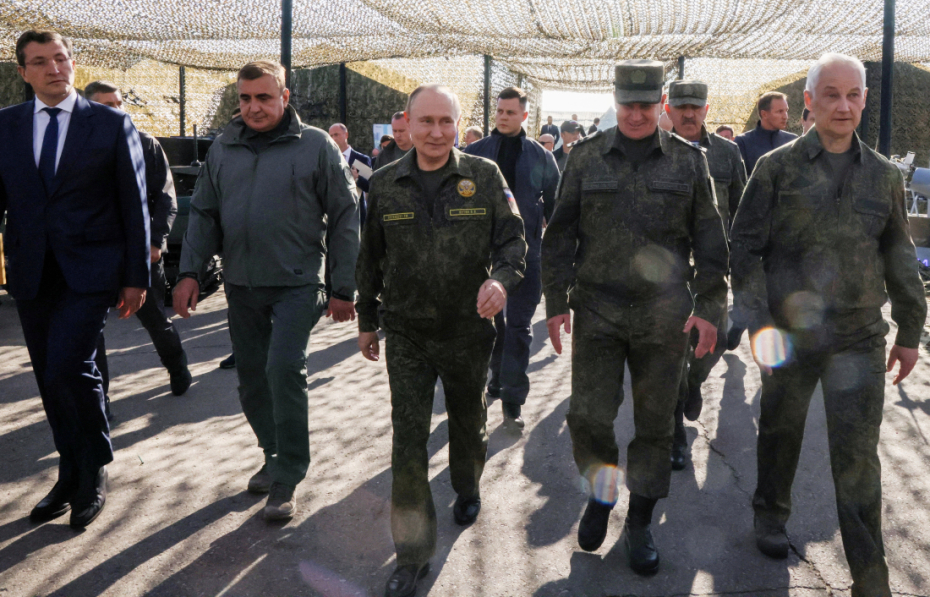
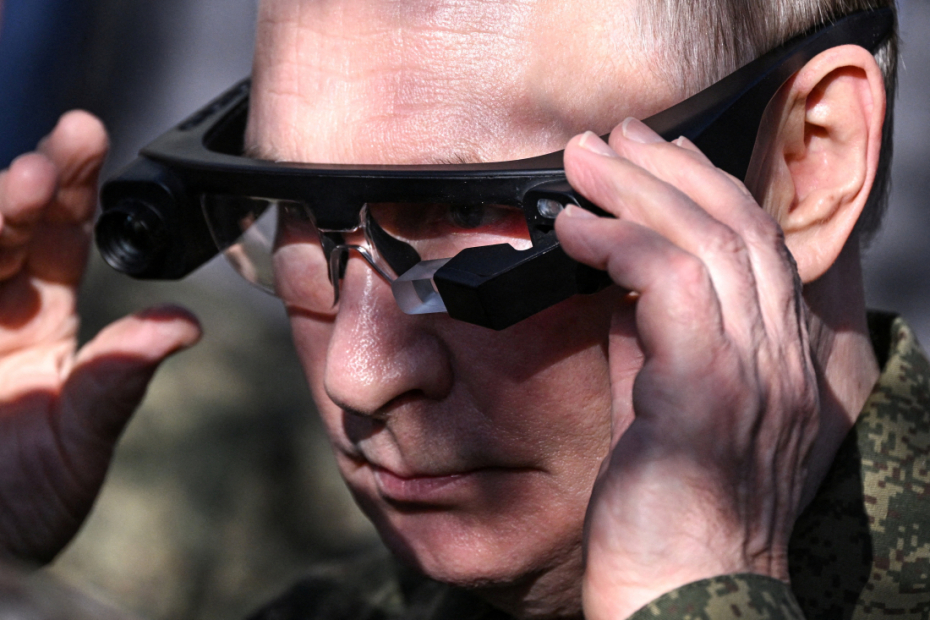
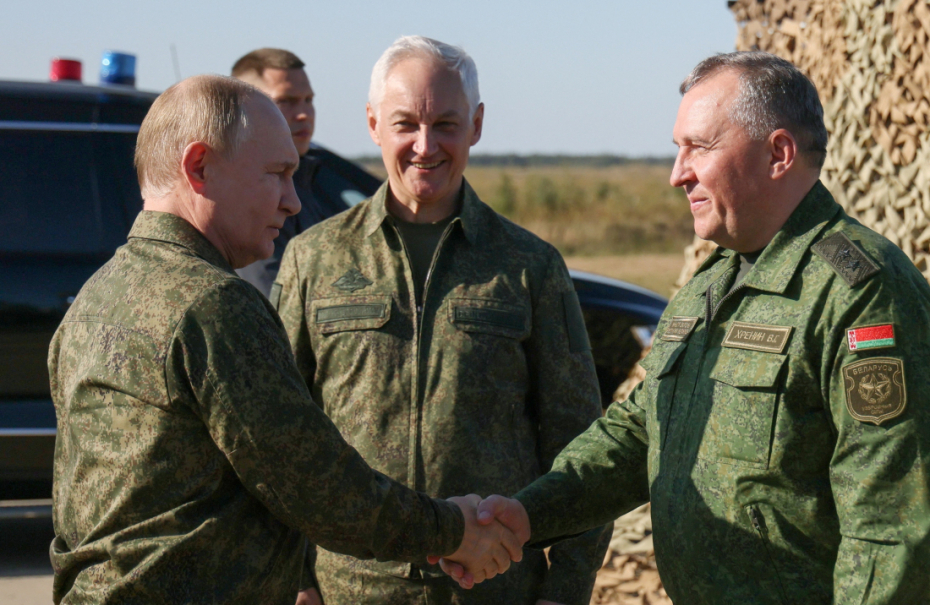
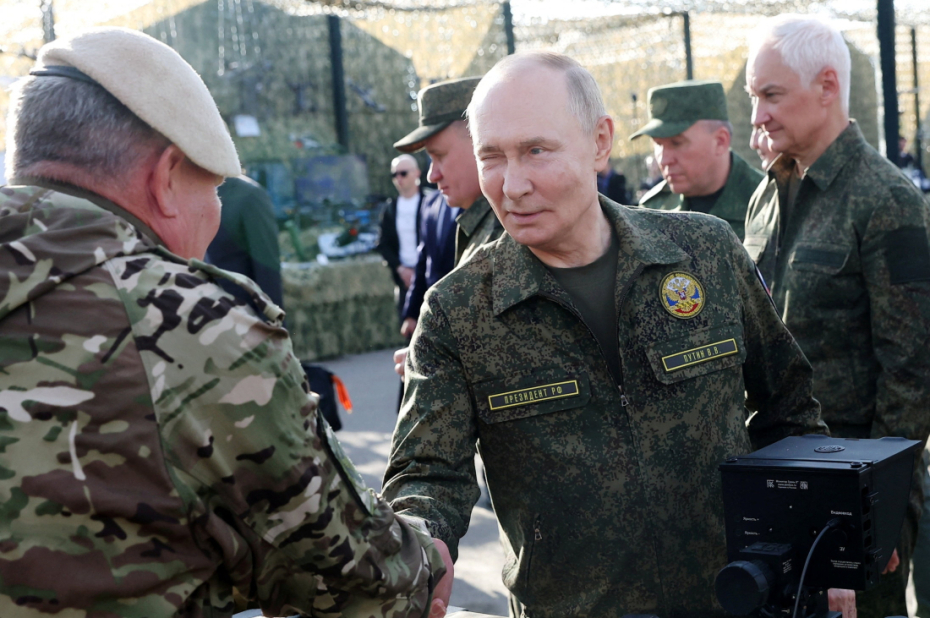
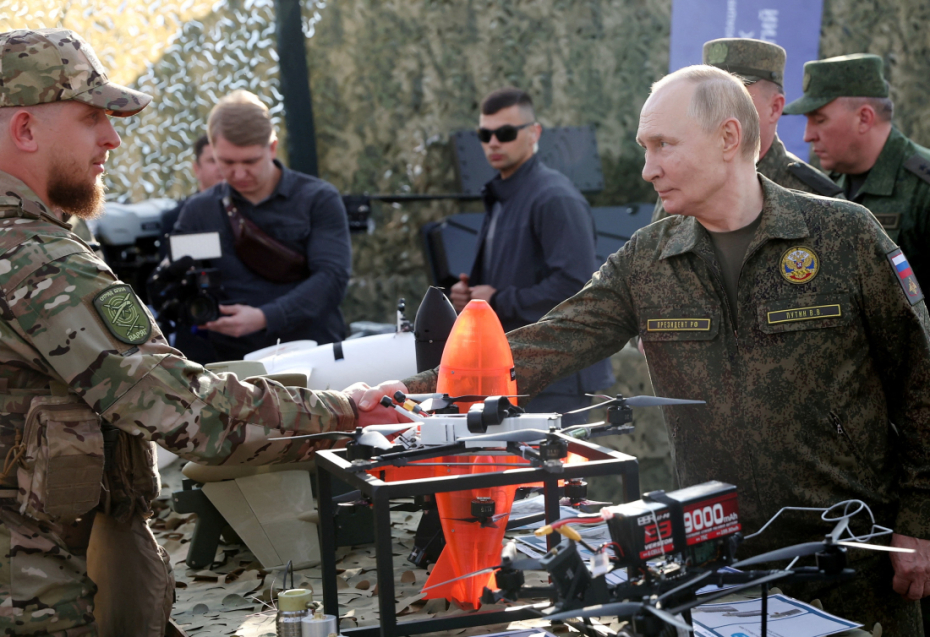
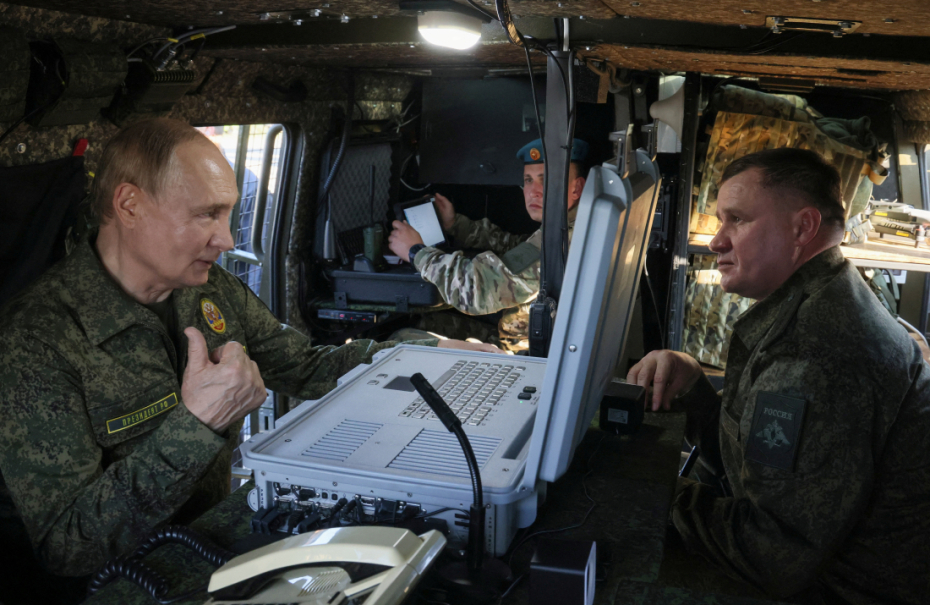
Dressed in military attire, Russian President Vladimir Putin met with top military officials on Tuesday in Russia's Nizhny Novogorod region, where some of the drills took place.
Some 100,000 military personnel participated in the exercises, which involved roughly 10,000 pieces of military equipment, the Russian President said in comments broadcast on state television.
The drills were to ensure the "unconditional protection of the sovereignty and territorial integrity of the Union State," Putin said, referring to the alliance of Russia and Belarus.
The war games, which Western military analysts say are designed to intimidate Europe, come just days after Polish and NATO forces say they shot down Russian drones that entered Polish airspace. Warsaw has temporarily closed its border with Belarus as a precaution.
Belarus, a close Russian ally which borders Ukraine and Russia, as well as NATO members Poland, Lithuania and Latvia, hosts Russian tactical nuclear weapons which Moscow retains command and control of. Minsk has been working to reopen and renovate its Soviet-era nuclear storage facilities.
Lukashenko was cited by the Belarusian state news agency Belta as saying that it was only natural that the Russian tactical nuclear weapons were part of the Zapad drills.
"We are practising everything there. They (the West) know this too, we are not hiding it. From firing conventional small arms to nuclear warheads. Again, we must be able to do all this. Otherwise, why would they be on Belarusian territory?" he was quoted as saying.
"But we are absolutely not planning to threaten anyone with this," he added.
The Belarusian Defence Ministry confirmed in a statement that the use of tactical nuclear weapons had been rehearsed along with the deployment of Russia's intermediate-range Oreshnik ballistic missile that Moscow fired at Ukraine for the first time on 21 November last year.
Putin said late last year that Russia could deploy Oreshniks, which he has claimed are impossible to intercept, on the territory of Belarus in the second half of 2025.
Lukashenko, who holds regular talks with Putin, allowed Moscow to use his territory to enter Ukraine in February 2022, but has not committed his own troops to the fighting.
U.S. President Donald Trump has begun cultivating closer ties with Lukashenko, long treated as a pariah by the West, and relaxed some sanctions on Belarus last week in return for the release of 52 prisoners including political opponents of the veteran leader.
In a sign of the warming in relations, U.S. military officers observed part of the Zapad exercise in Belarus on Monday.
Russia's Defence Ministry said on Tuesday that nuclear-capable Russian Tu-160 strategic bombers had rehearsed launching cruise missiles over the Barents Sea north of the Nordic countries.










What is your opinion on this topic?
Leave the first comment