EPC summit in Yerevan highlights fragile South Caucasus peace efforts
EU foreign policy chief Kaja Kallas’s planned visits to Yerevan and Baku framed the 8th European Political Community summit on 4 May, as Euro...
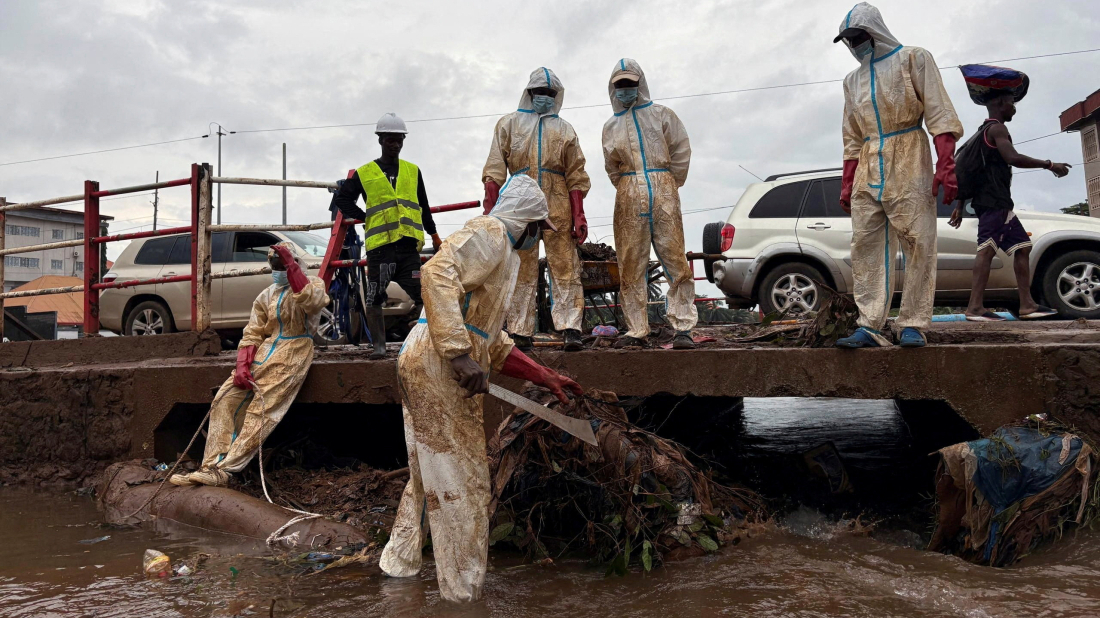
Severe flooding in Guinea’s capital, Conakry, has killed at least 15 people and displaced dozens. Weeks of heavy rain exposed the city’s fragile infrastructure, prompting emergency calls for urgent drainage system upgrades and relocations from high-risk areas.
At least 15 people were confirmed dead and more than 50 families displaced after weeks of torrential rain triggered widespread flooding in Guinea’s capital, Conakry. Emergency officials reported 138 homes damaged across the city, with some neighborhoods nearly inaccessible due to debris and waterlogged roads.
Since late June, unusually heavy downpours have overwhelmed the city’s drainage systems, leading to water accumulation in low-lying areas like Ratoma. Rescue teams and local volunteers have been clearing debris and searching for missing persons amid reports of blocked waterways and collapsing infrastructure.
Authorities acknowledged that outdated urban planning and poor drainage remain major challenges. They pledged to accelerate upgrades to the city's infrastructure and relocate vulnerable households away from high-risk zones before the rainy season peaks.
But with more rain forecast in the coming weeks, residents and civil society groups have called for immediate preventive measures. Many warn that without swift intervention, flooding could claim more lives and deepen the humanitarian crisis in already marginalized communities.
The government has urged the public to remain alert and cooperate with emergency services as the situation evolves.

A 77-year-old man and a 63-year-old woman were killed on Monday (4 May), after a man drove a car into a crowd on a pedestrianised street in the the eastern German city of Leipzig, authorities said.
Iran warned Armerican forces on Monday (4 May) not to enter the Strait of Hormuz, after the U.S. said it had launched a mission to try and reopen the sea passage. Meanwhile, Iran's Foreign Minister said there was no military solution to the Middle East conflict.
Medics are working to evacuate two people with symptoms of the deadly respiratory illness, hantavirus, from a luxury cruise ship being held off West Africa, after three people died and several others fell ill, officials have said.
U.S. Secretary of State Marco Rubio is expected to travel to the Vatican and Italy this week for a series of meetings, according to Italian media reports, in a visit that comes amid strained relations between Washington and parts of Europe and heightened tensions involving Pope Leo XIV.
What is hantavirus? Three people have died and three are still ill on a Netherlands-based cruise ship after it was hit by a suspected outbreak of the deadly virus, according to authorities on Sunday.
Start your day informed with the AnewZ Morning Brief. Here are the top stories for the 5th of May, covering the latest developments you need to know.
The International Atomic Energy Agency (IAEA) said on Monday (4 May) that meteorological monitoring equipment at the Zaporizhzhia nuclear power plant in south-eastern Ukraine had been damaged by a drone.
A blast at a fireworks factory in China's Hunan province has killed 21 people and injured 61, prompting President Xi Jinping to call for a thorough investigation, state media reported on Tuesday.
The UK is moving to join a €90 billion European Union loan scheme for Ukraine, with Prime Minister Keir Starmer saying the benefits outweigh the costs, as he pushes for closer ties with Europe at a summit in Armenia this week.
Ukrainian President Volodymyr Zelenskyy has announced a ceasefire with Russia until Wednesday (6 May), after Russian President Vladimir Putin ordered a pause in hostilities on 8-9 May to mark the 81st anniversary of Soviet Russia’s victory over Nazi German in World War II.
You can download the AnewZ application from Play Store and the App Store.
What is your opinion on this topic?
Leave the first comment