Cubans adopt solar energy as blackouts and fuel shortages deepen crisis
Cubans are increasingly turning to solar power to keep businesses operating and basic household appliances running during prolonged electricity cuts, ...
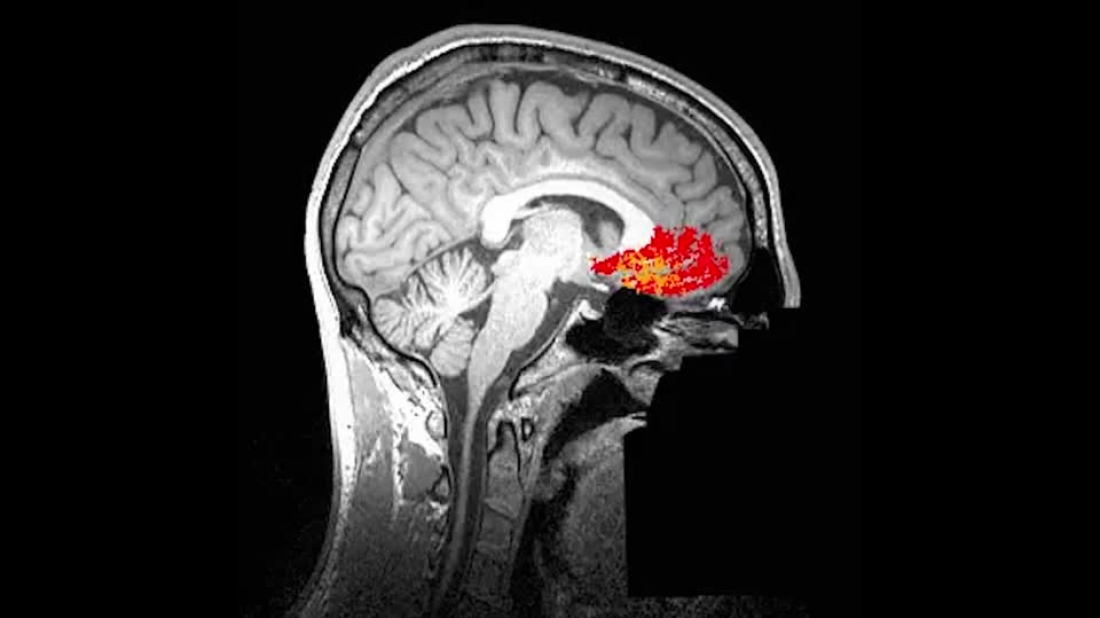
Researchers in London have developed an Artificial Intelligence tool that detects hidden brain abnormalities. It was trained on hundreds of patient scans and it can now spot two-thirds of these tiny and invisible irregularities.
Scientists in London have developed an Artificial Intelligence tool called a MELD Graph to detect tiny brain abnormalities that can cause epilepsy—often too difficult for standard MRI scans to identify.
The team has spent 10 years developing this process. The device was trained on MRI data from more than 700 people with focal cortical dysplasia, which causes epilepsy. Known as FCDs, these can be hard to spot with the human eye and half of these lesions are missed by radiologists.
As well as finding these irregularities, it explains the cause.
With this analysis, radiologists say they can quickly diagnose and be able to provide surgery that could potentially cure the seizures.
Epilepsy affects about 1 in 100 people globally, with 1 in 5 cases linked to brain structural abnormalities.
Although the tool isn't clinically available yet, the team has released the software as open-source, and is training clinicians and researchers on its use.
The drumbeats have finally faded at the Marquês de Sapucaí, bringing the competitive phase of the Rio Carnival 2026 to a dazzling close. Over two marathon nights of spectacle, the twelve elite schools of the "Special Group" transformed the Sambadrome into a riot of colour.
Israel is preparing for the possibility of receiving a green light from the United States to launch strikes against Iran’s ballistic missile system, according to Israel’s public broadcaster KAN.
Aghdam’s Qarabag FK experienced a 6–1 defeat to England’s Newcastle United in the first leg of their UEFA Champions League play-off tie in Azerbaijan's capital Baku Wednesday evening (18 February).
Qarabağ FK are facing Newcastle United in the UEFA Champions League play-off round on Wednesday evening in Baku, in what will be the first UEFA competition meeting between the two clubs.
Start your day informed with AnewZ Morning Brief: here are the top news stories for the 18th of February, covering the latest developments you need to know.
ByteDance will take steps to prevent the unauthorised use of intellectual property on its artificial intelligence (AI) video generator Seedance 2.0, the Chinese technology firm said on Monday.
The formation of a black hole can be quite a violent event, with a massive dying star blowing up and some of its remnants collapsing to form an exceptionally dense object with gravity so strong not even light can escape.
BMW is recalling a mid six figure number of vehicles worldwide after identifying a potential fire risk linked to the starter motor.
British chipmaker Fractile will invest £100 million over the next three years to expand its artificial intelligence hardware operations in the UK, opening a new engineering facility in Bristol as it ramps up production of next-generation AI systems.
The European Union has launched its largest semiconductor pilot line under the European Chips Act, investing €700 million ($832 million) in the new NanoIC facility at IMEC in Leuven, Belgium, as part of efforts to strengthen Europe’s technological sovereignty.
You can download the AnewZ application from Play Store and the App Store.
What is your opinion on this topic?
Leave the first comment