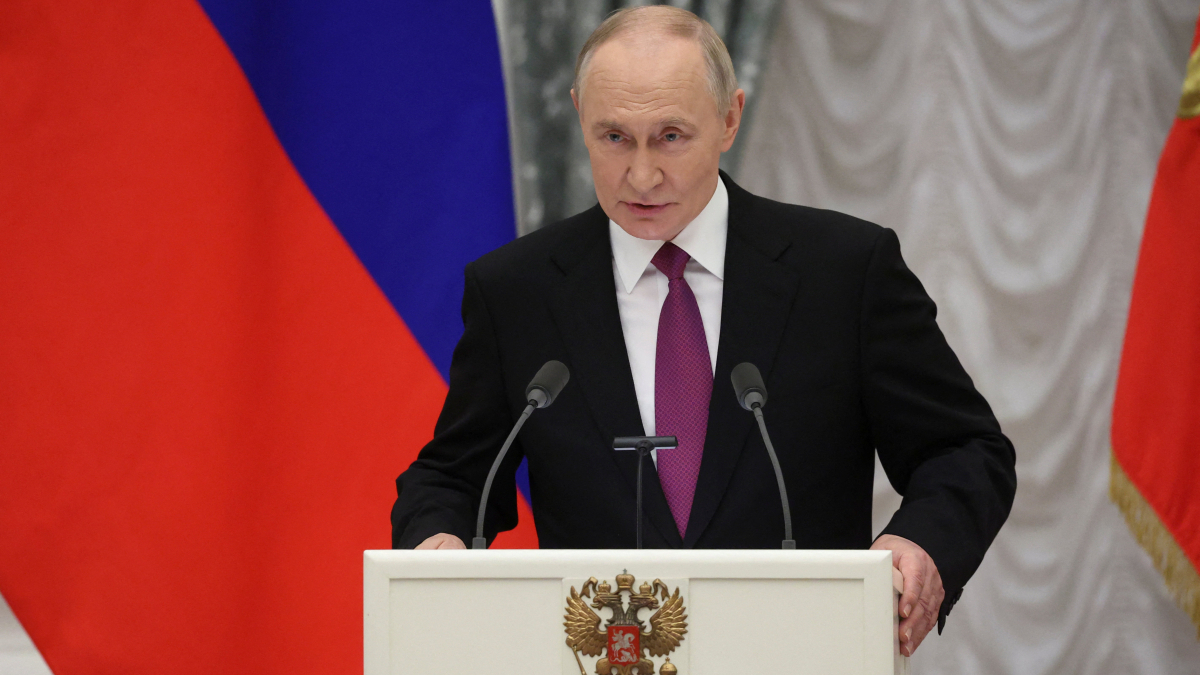
Russian President Vladimir Putin confirmed on Friday (November 21) that Moscow had received the U.S. proposals for peace in Ukraine, but emphasized that the plan had not been discussed in detail with Russia.
Putin suggested that the proposed plan could serve as a foundation for a final peaceful settlement, but noted that the absence of Ukraine's consent remained a significant obstacle.
Russia’s Concerns Over Ukraine’s Rejection
Speaking to senior officials, Putin stated that while Russia had received the peace plan through established communication channels with the U.S. administration, it had not been thoroughly discussed with Moscow. He pointed to Ukraine’s refusal to engage with the plan as the reason for the lack of detailed discussions.
“I believe it can be used as the basis of a final peaceful settlement, but it has not been discussed with us in detail. The reason is the same: the U.S. administration has so far failed to secure Ukraine's consent. Ukraine is against it,” Putin said.
Warning of Continued Military Action
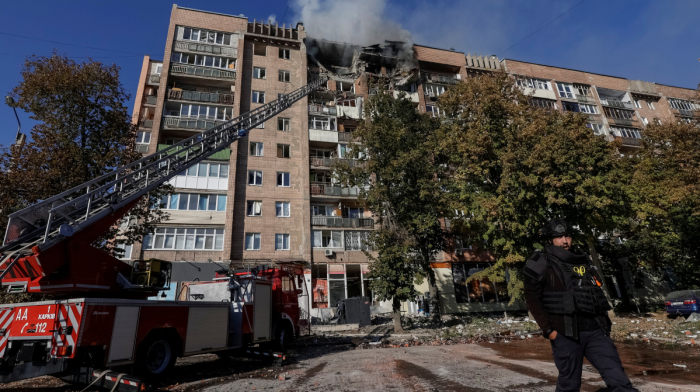
Putin also issued a stern warning to Kyiv and European powers, stating that the failure to discuss the peace proposal would lead to the continuation of Russian military operations. He referenced the recent events in Kupiansk, a city in eastern Ukraine, suggesting that similar incidents would occur in other critical frontline areas.
“If Kyiv does not want to discuss President Trump's proposals and refuses to do so, then both they and the European warmongers must understand that the events that took place in Kupiansk will inevitably be repeated in other key areas of the frontline,” he said, adding that while the military advances might not be as rapid as Moscow would like, they would continue until peace was achieved.
Putin reaffirmed that Russia was willing to pursue peace, but only under the condition that the plan be discussed in full and its details properly addressed. He stated that Russia was “ready for peaceful negotiations” but stressed the importance of substantive discussions to resolve the ongoing conflict.
“We’re satisfied with it, as it leads to achieving the goals of the 'special military operation' by armed means, through armed conflict. But, as I've said many times before, we're also ready for peaceful negotiations and peaceful resolution of problems,” Putin said.
The Road to Peace
Putin’s comments highlight the continued division between Moscow, Kyiv, and Western powers regarding the resolution of the war in Ukraine. Despite the U.S. proposing a peace plan, Ukraine’s rejection and the lack of consensus between the involved parties have left the conflict unresolved.
As Russian forces continue their operations on the ground, Putin’s remarks signal that the military option remains a priority for Moscow, but the door to negotiations remains open — provided that all parties can agree on the specifics of a peace plan. The international community, including the U.S. and European powers, will likely continue to exert pressure for a diplomatic solution, but the path to peace remains fraught with challenges and uncertainties.











What is your opinion on this topic?
Leave the first comment