Kazakhstan offers Germany bigger role in critical minerals supply chains
Kazakhstan and Germany have agreed to expand cooperation in critical minerals, industry, energy and transport, with Astana seeking a greater German...
Azerbaijan and Pakistan strengthen ties with $2B agreements set for April, boosting trade, security, and energy cooperation. Leaders highlight regional alliances and shared global interests.
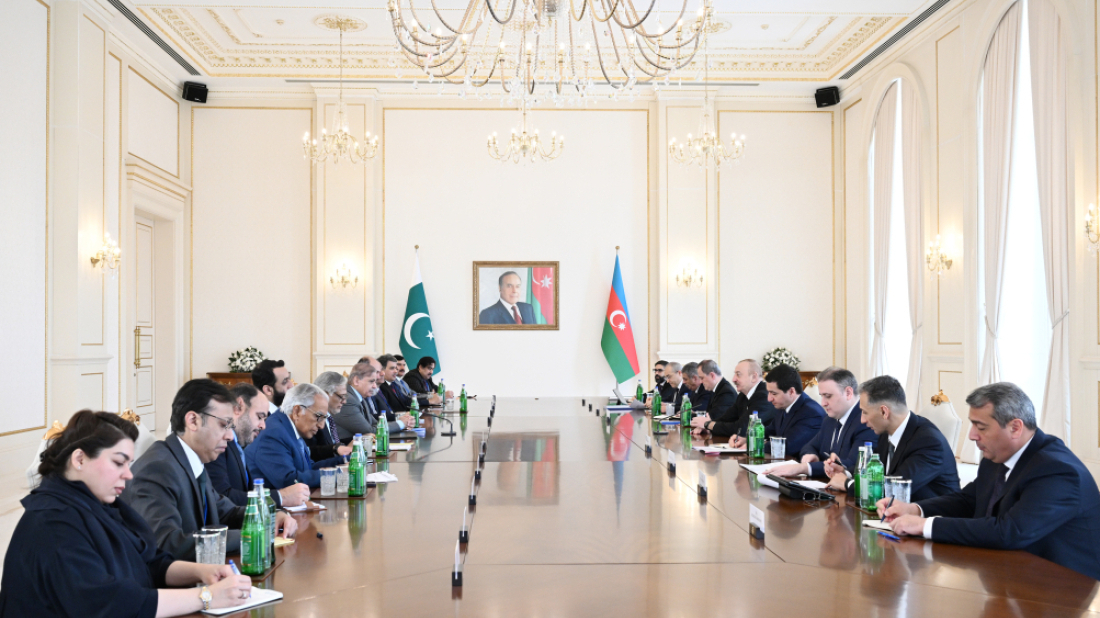
Pakistan and Azerbaijan have agreed to enhance cooperation in trade, commerce, security, and energy, with plans to finalize agreements worth $2 billion in April.
At a joint press conference, President of Azerbaijan, Ilham Aliyev and Pakistani Prime Minister Shehbaz Sharifemphasized the vast potential for collaboration in trade, regional connectivity, and international forums.
Sharif arrived in Baku on Sunday for a two-day official visit, accompanied by a high-level delegation, including Deputy Prime Minister Mohammad Ishaq Dar and key Cabinet members. This marks Sharif's second visit to Azerbaijan since assuming office in March 2024.
During the visit, both nations signed multiple agreements and memoranda of understanding (MoUs) covering trade, defense production, energy, climate change, tourism, culture, education, and more. Sharif announced that formal agreements totaling $2 billion in these areas will be signed in Islamabad this April.
President Aliyev highlighted Azerbaijan's commitment to strengthening economic and trade relations with Pakistan, underscoring its significance in Azerbaijan’s foreign policy. He also noted the strong regional alliance between Türkiye, Azerbaijan, and Pakistan, emphasizing their shared positions on global issues.
Sharif is also set to participate in a business forum organized in collaboration with Azerbaijan’s Export and Investment Promotion Agency. Pakistan’s Foreign Ministry stated that both sides will engage in comprehensive discussions to further cooperation, particularly in energy, trade, defense, education, and climate-related initiatives.

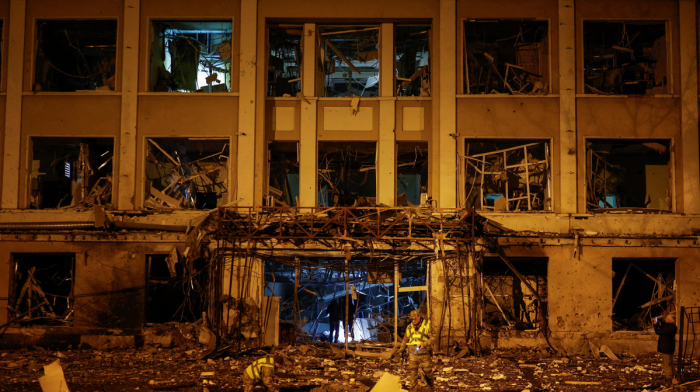
A Russian guided aerial bomb has struck an apartment building in Kharkiv, injuring 22 people, including children, according to the city’s mayor. The strike follows a day of near-continuous Russian attacks across Ukraine that killed at least five people.
Here's your AnewZ Daily Brief for 28 September 2026. These are the top stories making headlines in technology.
Saudi Foreign Minister Prince Faisal bin Farhan has arrived in Washington for talks with U.S. Secretary of State Marco Rubio on bilateral ties and key regional and international developments, Saudi state news agency SPA reported.
The European Union's decision to simultaneously advance accession talks with Ukraine, Moldova, Montenegro and Albania marks its most ambitious enlargement effort in more than two decades.
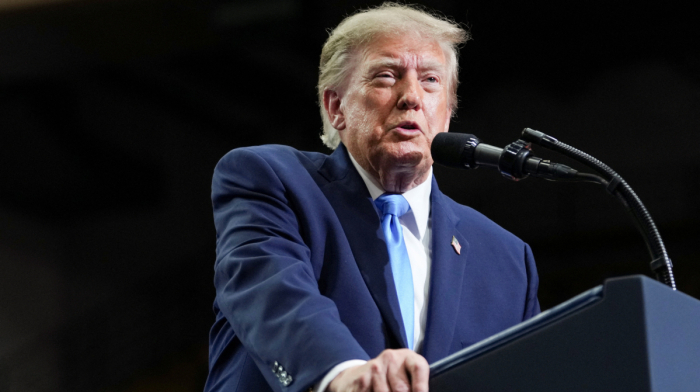
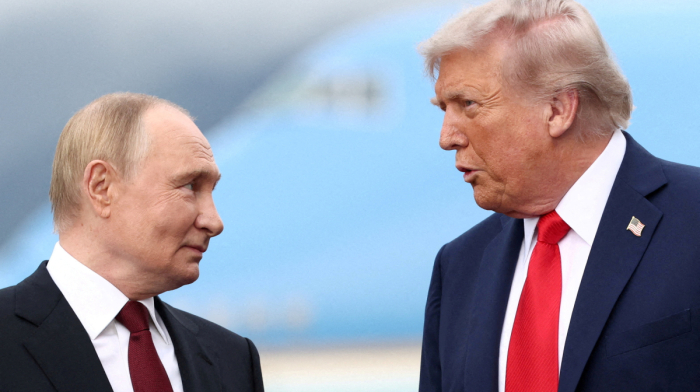
U.S. President Donald Trump has denied reports that he offered Iran sanctions relief and access to frozen funds in exchange for nuclear concessions.
Kazakhstan and Germany have agreed to expand cooperation in critical minerals, industry, energy and transport, with Astana seeking a greater German role in developing supply chains and higher-value production.
Russian state nuclear corporation Rosatom has proposed building a new 1,000-megawatt nuclear power unit in Armenia as Yerevan weighs competing international offers, its head Alexey Likhachev said on Tuesday.
Freight on the Baku–Tbilisi–Kars railway could soon move faster across borders after Georgia, Azerbaijan and Türkiye signed a new customs protocol aimed at cutting delays and streamlining transit.
Afghanistan and Belarus have agreed to expand health cooperation, with a focus on medicines, medical equipment and training healthcare workers, following talks between the two countries’ health ministers in Minsk on Tuesday (29 September).
Saudi Arabia is facing a widening security challenge from Yemen as Houthi forces consolidate recent territorial gains along the Red Sea coast and step up attacks on the kingdom.
You can download the AnewZ application from Play Store and the App Store.
What is your opinion on this topic?
Leave the first comment