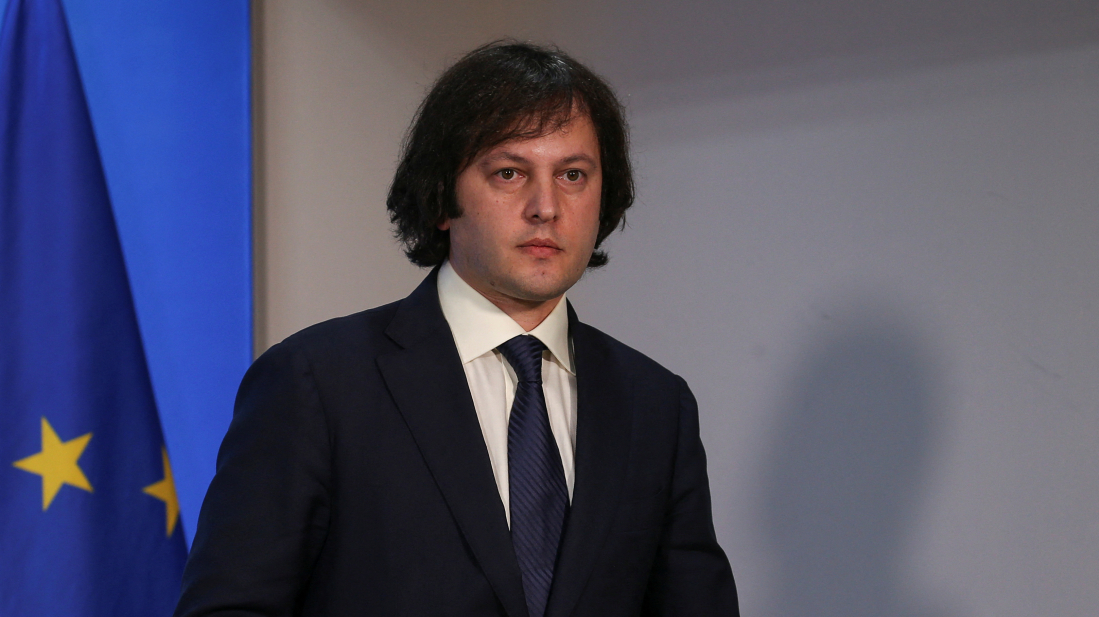
Georgian Prime Minister Irakli Kobakhidze will visit Uzbekistan from February 20-22 to strengthen agricultural and trade ties. Talks will focus on joint projects, grape cultivation, and livestock farming, as well as boosting Uzbekistan-Georgia trade and transit cooperation.
The Georgian Prime Minister's tour of Central Asian countries will continue with a visit to Uzbekistan from February 20 to 22, 2025.Uzbekistan's Ministry of Agriculture said that during the visit, a meeting of the intergovernmental commission will be held to focus on strengthening bilateral cooperation between Uzbekistan and Georgia.
This announcement follows a meeting between Uzbekistan’s Deputy Minister of Agriculture, Kahramon Yuldashev, the Chargé d'Affaires of the Georgian Embassy in Uzbekistan, David Kotaria, and Senior Counselor Irakli Kandelaki.
The parties explored opportunities for mutually beneficial collaboration in the agricultural sector, including the launch of joint projects that leverage existing resources. Discussions emphasized the establishment of a joint working group to advance agricultural cooperation. Key proposals included developing new grape varieties, cultivating and exporting table and industrial grapes, strengthening livestock farming, and implementing an animal identification system.
According to official data, foreign trade between Tbilisi and Tashkent has nearly doubled since 2018, with a 30% increase in trade last year alone. The two countries have an agreement on free trade and a competitive market. Tashkent is actively utilizing Georgia’s transit potential to export products abroad, and Georgia plays a key role in connecting Uzbekistan with Europe. From the Uzbek capital, goods travel through Tbilisi and Batumi, then on to Trabzon and Istanbul in Turkey, and eventually reach Bulgaria and Romania. Uzbekistan exports industrial goods, chemical products, beverages, cars, and transport equipment to Georgia.
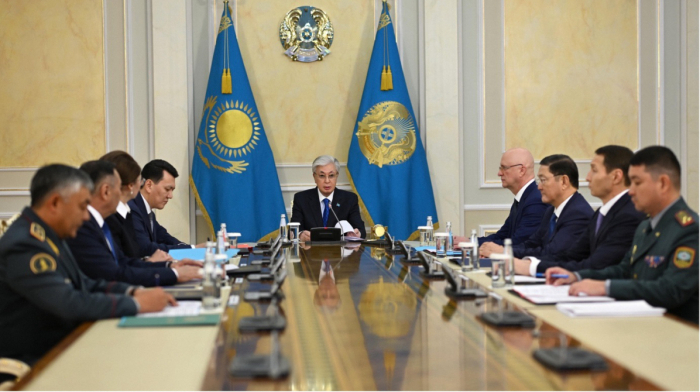
Earlier, on February 5-6, Irakli Kobakhidze paid an official visit to Kazakhstan, where he held talks with Prime Minister Olzhas Bektenov and President Kassym-Jomart Tokayev. The leaders focused on increasing cargo traffic along the Trans-Caspian International Transport Route and modernizing the transit infrastructure of the corridor. Kazakh Prime Minister Olzhas Bektenov noted that by 2027, the volume of cargo transported along the Trans-Caspian International Transport Corridor is expected to reach 10 million tons.














What is your opinion on this topic?
Leave the first comment