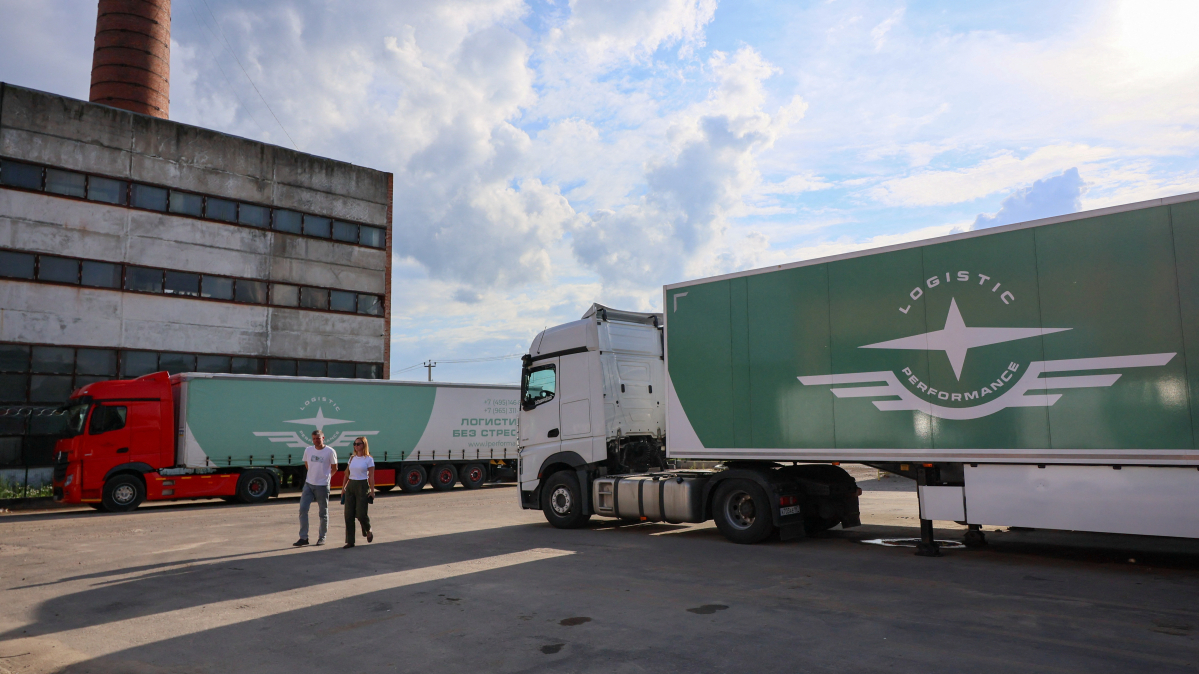
Azerbaijan and Russia are stepping up efforts to expand the International North-South Transport Corridor (INSTC), with their deputy prime ministers pressing for greater capacity and better logistics infrastructure.
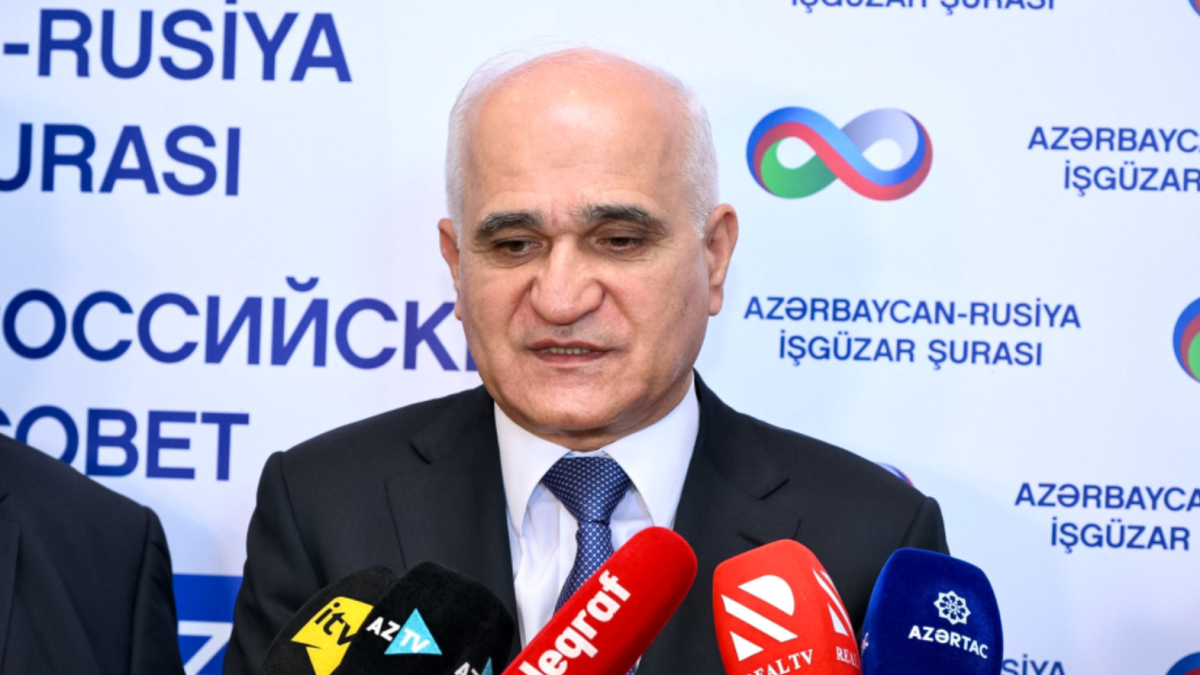
Shahin Mustafayev, Deputy Prime Minister of Azerbaijan, and Alexey Overchuk, Deputy Prime Minister of Russia, discussed raising the corridor's capacity and improving transport and logistics infrastructure during a visit to Baku by a Russian government delegation.
They also stressed the efficient operation and further modernisation of border checkpoints on the shared frontier.
Around 3,900 million kilograms of cargo moved along the Azerbaijani section of the corridor last year, and forecasts estimate the figure will rise to 32,000 million tonnes by 2030.
Trade between the two countries rose 13.5 per cent in the first eight months of 2025 to $3.35 billion, while shipments via the corridor grew 8.3 per cent in the first nine months.
Russia supplies Azerbaijan mainly with crude oil, fuel, gold, wheat and steel, along with other industrial raw materials, while Azerbaijan sends back mostly agricultural goods such as tomatoes, persimmons and hazelnuts, in addition to polymers.
Russia is the biggest buyer of Azerbaijan's non-oil products, taking $1.174 billion of them in 2025, a 32.37 per cent share.
Azerbaijan imported $3.736 billion of goods from Russia in 2025, and exported $1.184 billion worth of products to the country.
The INSTC corridor links northern Europe with the Persian Gulf and Indian Ocean regions via Russia, the Caucasus and Central Asia, and comprises western, eastern and trans-Caspian routes.
Iran is a key partner on the western leg. Overchuk has argued that making that route more attractive requires harmonised transport infrastructure across Russia, Azerbaijan and Iran.
Read more from Azerbaijan:















What is your opinion on this topic?
Leave the first comment