Six years have passed since fighting broke out on 27 September 2020, marking the beginning of the 44-day Patriotic War.
Azerbaijan says its armed forces launched a counter-offensive after military positions and civilian settlements came under fire from Armenian forces. The operation, carried out under President and Commander-in-Chief Ilham Aliyev, later became known as “Iron Fist”.
During the fighting, President Aliyev addressed the public on several occasions, reporting developments from the front and calling for unity. His first wartime address came on 27 September, as clashes intensified along the front line.
A major turning point came on 8 November, when President Aliyev announced that Shusha had come under Azerbaijani control.
The large-scale fighting ended two days later after the leaders of Azerbaijan, Armenia and Russia signed a trilateral statement on 10 November 2020.
By the end of the conflict, Azerbaijan had regained control over territories that had remained outside its control for almost three decades.
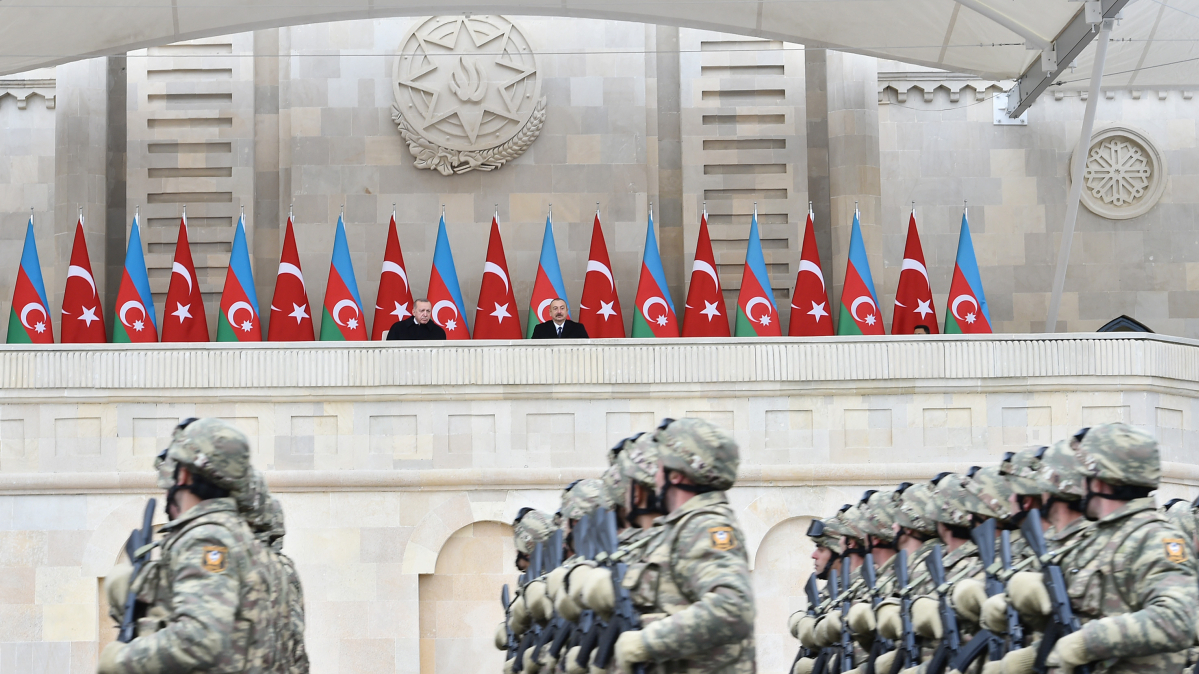
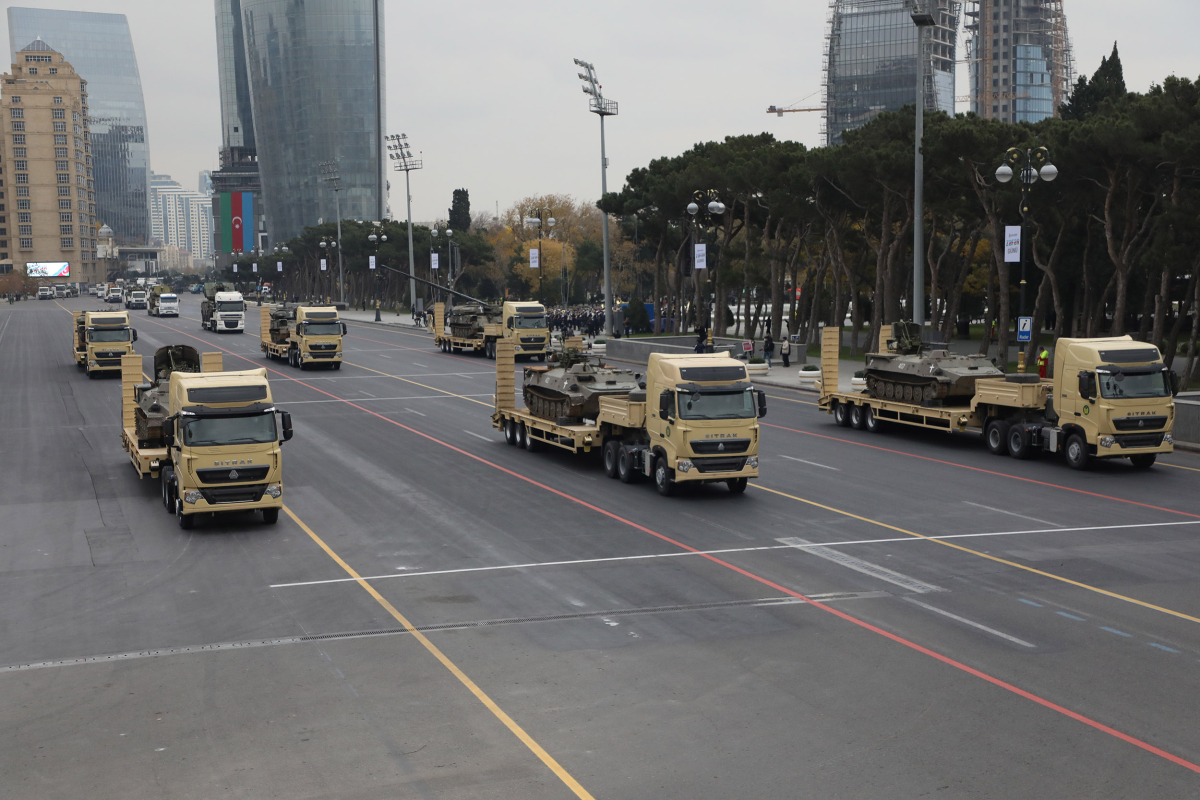
Military hardware captured during the war was later presented at the Victory Parade in Baku on 10 December 2020. Some of that equipment is now displayed at the Military Trophy Park, which opened in April 2021.
Azerbaijan later restored full state sovereignty and constitutional order across its internationally recognised territory.
War that reshaped the region
The 44-day campaign became one of the most consequential periods in Azerbaijan’s modern history.
The Azerbaijani Armed Forces used modern battlefield tactics and technologies during operations across several directions, while the battle for Shusha became one of the most symbolic episodes of the conflict.
The outcome changed the territorial and political realities that had existed in the region for decades and opened a new stage in relations between Azerbaijan and Armenia.
The war also became closely associated with public mobilisation and national solidarity, with slogans of victory and unity widely used throughout the country.
Remembering those who died
The date, 27 September, is now observed annually as Remembrance Day in Azerbaijan. It was officially designated under a presidential decree signed on 2 December 2020 in memory of servicemen who lost their lives during the war.
The Ministry of Defence's list names 2,908 servicemen who were killed in the war (full list in Azerbaijani).
Commemorative ceremonies are held across the country, including official events, memorial visits and religious services.
Mosques, churches and synagogues traditionally hold prayers for those who died, while a nationwide minute of silence is observed in their memory.
Support programmes for veterans and families of fallen servicemen have also remained part of the state’s post-war policy.
Memorial sites, including Victory Park in Baku, have been developed as permanent places of remembrance.
Post-War diplomacy
Since the end of the war, Azerbaijan has continued to present its position on the conflict and its aftermath at international forums.
President Aliyev has addressed institutions including the United Nations and the Non-Aligned Movement, focusing on territorial integrity, international law, regional security and the post-conflict settlement.
Baku has also promoted transport links, economic cooperation and regional connectivity as part of its broader vision for the South Caucasus.
At the same time, negotiations with Armenia have focused on normalisation, border issues and a potential peace agreement.
Rebuilding Garabagh and Eastern Zangezur
Reconstruction has become one of Azerbaijan’s main priorities in the years since the war.
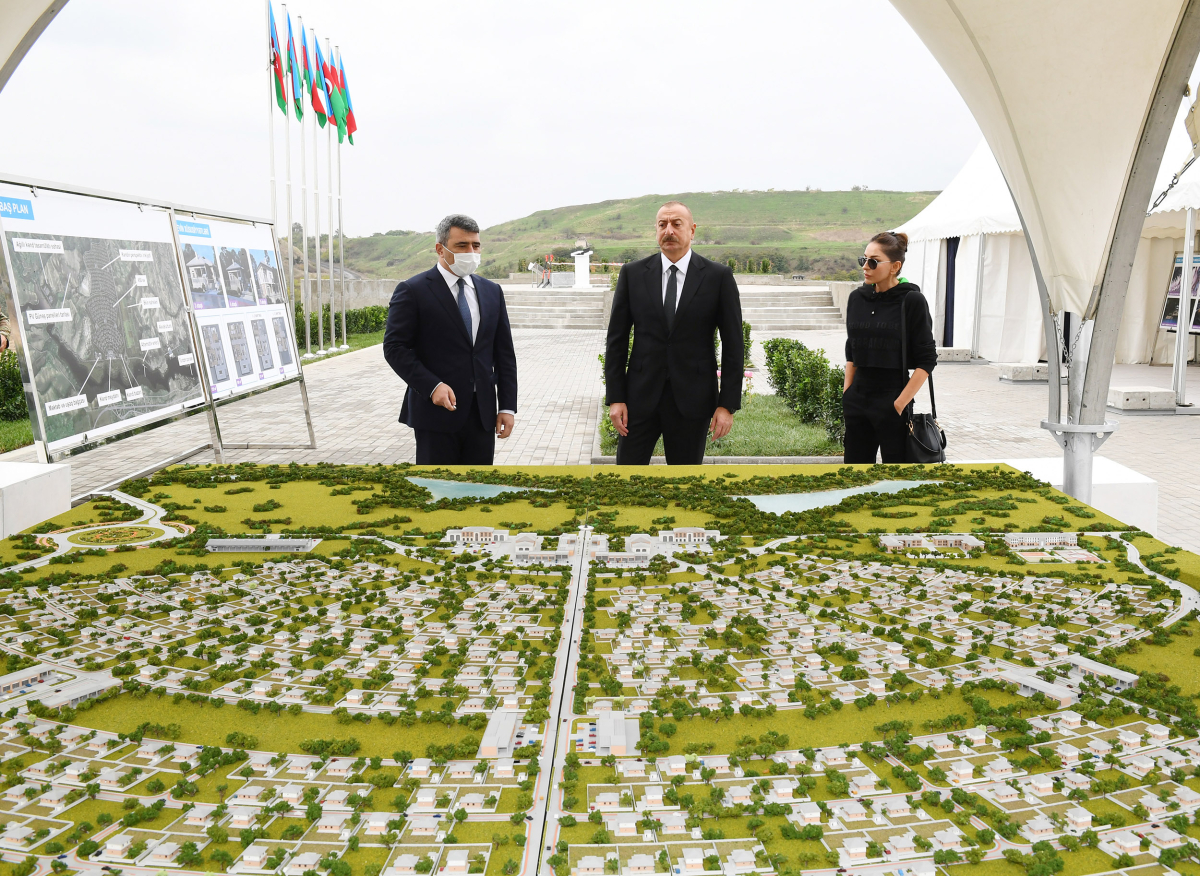
New highways, railways, airports, housing areas and energy infrastructure are being developed across Garabagh and Eastern Zangezur.
The government is also implementing “smart village” and “smart city” projects as part of the redevelopment programme.
Former residents are gradually returning to newly rebuilt settlements under the state’s resettlement programme.
Renewable energy has also become a key element of reconstruction, with Garabagh and Eastern Zangezur designated as a green energy zone.
From remembrance to reconstruction
For Azerbaijan, 27 September is both a day of mourning and a date that marked a major shift in the country’s contemporary history.
Six years after the start of the war, national attention is increasingly focused on rebuilding affected areas, resettling former residents and shaping a new regional order.
The legacy of the 44-day conflict continues to influence Azerbaijan’s domestic priorities, regional diplomacy and long-term development plans.
Read more:









What is your opinion on this topic?
Leave the first comment