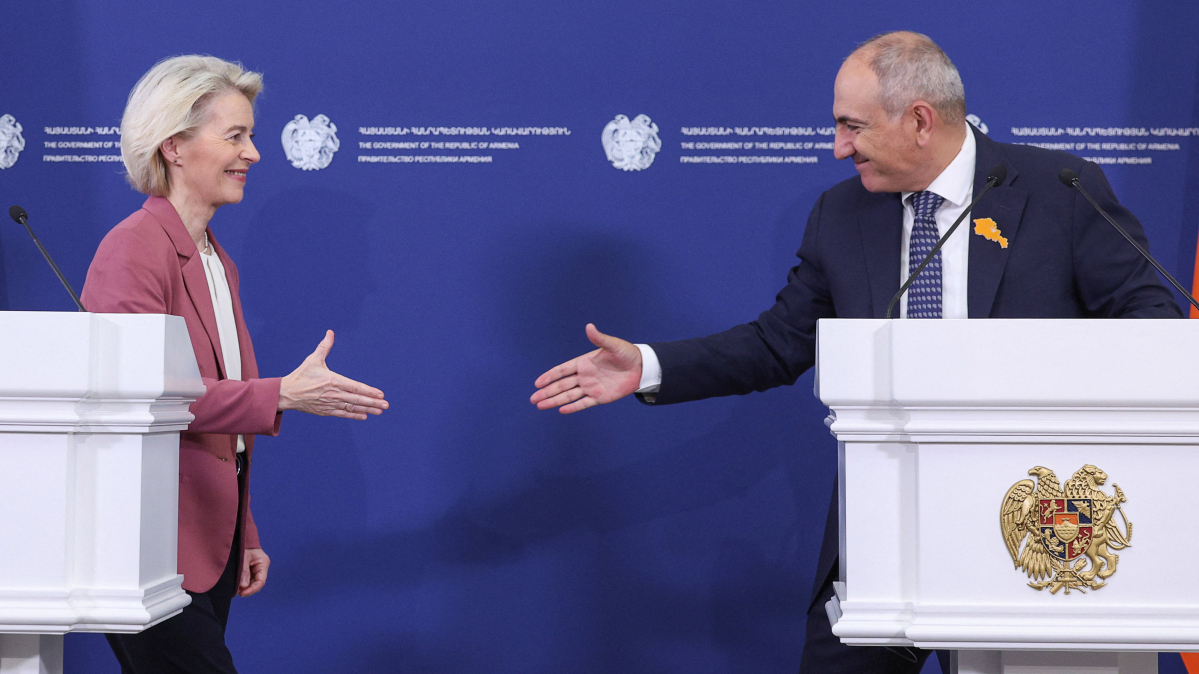
Armenia's efforts to move closer to the European Union have gained political momentum in Yerevan, but the country's potential membership bid is not currently part of the EU's immediate enlargement agenda, according to a senior European Council official.
As European Council President António Costa prepares a tour of EU capitals ahead of key discussions on enlargement in October, Armenia is not expected to feature prominently in those consultations. The reason is largely procedural: despite adopting legislation earlier this year to begin the accession process, Armenia has yet to formally apply for EU membership.
Without an official application, Brussels cannot begin the standard assessment required for candidate status, leaving Armenia outside the current framework of enlargement planning.
Yerevan signals intent to apply
The Armenian government has nevertheless made clear that closer integration with the European Union remains a strategic objective.
Prime Minister Nikol Pashinyan recently told parliament that Armenia is likely to begin the formal application process in the near future. He said submitting an application would be a necessary first step before the country could meaningfully debate its long-term geopolitical direction.
Pashinyan suggested that any future referendum on joining the EU or remaining within the Russian-led Eurasian Economic Union should take place only after Armenia receives a response from Brussels.
According to the prime minister, voters would need clear answers about the potential benefits, obligations and consequences of membership before making such a decision.
Growing distance from Moscow
Armenia's European aspirations come at a sensitive time in its relationship with Russia.
For decades, Yerevan viewed Moscow as its primary security partner and guarantor of national defence. However, Pashinyan argues that regional developments in recent years have exposed limitations in that arrangement.
He pointed to events between 2021 and 2023 as evidence that Russia, facing its own security challenges, was not always able to fulfil the role Armenia had traditionally expected.
While Pashinyan said he does not doubt Russia's willingness to support Armenia, he acknowledged that the transformation in Armenian-Russian relations has contributed to tensions between the two countries.
Sharp criticism from Russia
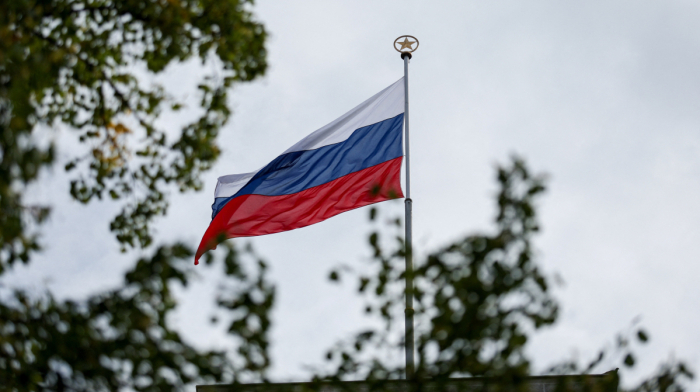
Moscow has reacted critically to Armenia's EU ambitions.
Former Russian President Dmitry Medvedev, who currently serves as deputy chairman of Russia's Security Council, dismissed the prospect of Armenian membership in the bloc and argued that a move toward Europe would damage relations with Russia and other members of the Eurasian Economic Union.
Medvedev claimed Armenia would never ultimately join the EU, but would risk undermining long-standing economic and political partnerships in the process.
His remarks reflect broader Russian concerns about losing influence in the South Caucasus, a region Moscow has traditionally regarded as part of its sphere of strategic interest.
Long road ahead
Even if Armenia submits a formal application in the coming months, accession to the European Union would remain a lengthy and complex process.
The EU requires aspiring members to meet extensive political, legal and economic criteria before candidate status can be granted and negotiations can begin.
For now, Armenia's European ambitions remain largely aspirational. While Yerevan appears increasingly committed to pursuing closer ties with Brussels, EU officials have made clear that the process cannot move forward until an official membership application is filed.











What is your opinion on this topic?
Leave the first comment