Serbia and Azerbaijan are accelerating their strategic partnership across energy, transport and diplomacy, amid growing regional and global uncertainty.
Frequent high-level contacts reflect what officials describe as “very good personal relations” between the two countries, alongside an increasingly structured diplomatic relationship.
Speaking to AnewZ, political analyst Nikola Miković said repeated engagements between Belgrade and Baku demonstrate consistent dialogue on regional developments, including the Middle East.
He added that frequent meetings and phone calls reflect “sustained political engagement and close leadership ties”.
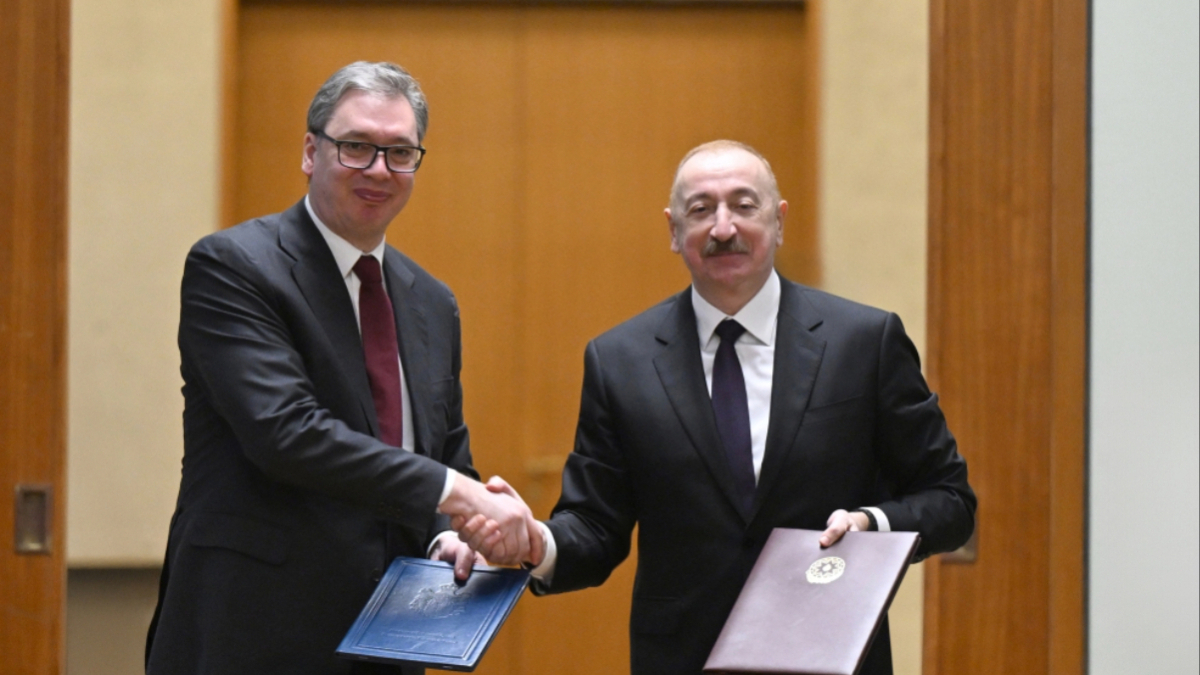
This comes as President Aleksandar Vučić and President Ilham Aliyev held another phone call on Sunday (19 April), underscoring what both sides described as a “sincere friendship” delivering tangible results.
The call also confirmed Vučić’s planned visit to Baku next month for the 13th session of the World Urban Forum (WUF13), scheduled for 17–22 May, further reinforcing high-level political coordination.
Miković said energy remains the central pillar of bilateral relations, shaping Belgrade’s diversification strategy away from traditional suppliers.
He noted that Serbia continues to rely heavily on Russian gas but is seeking alternative supplies from Azerbaijan.
However, he pointed to infrastructure limitations, saying Serbia currently lacks the capacity to fully accommodate larger imports. Still, he suggested Azerbaijan could eventually cover “15 to 20 percent” of Serbia’s gas needs.
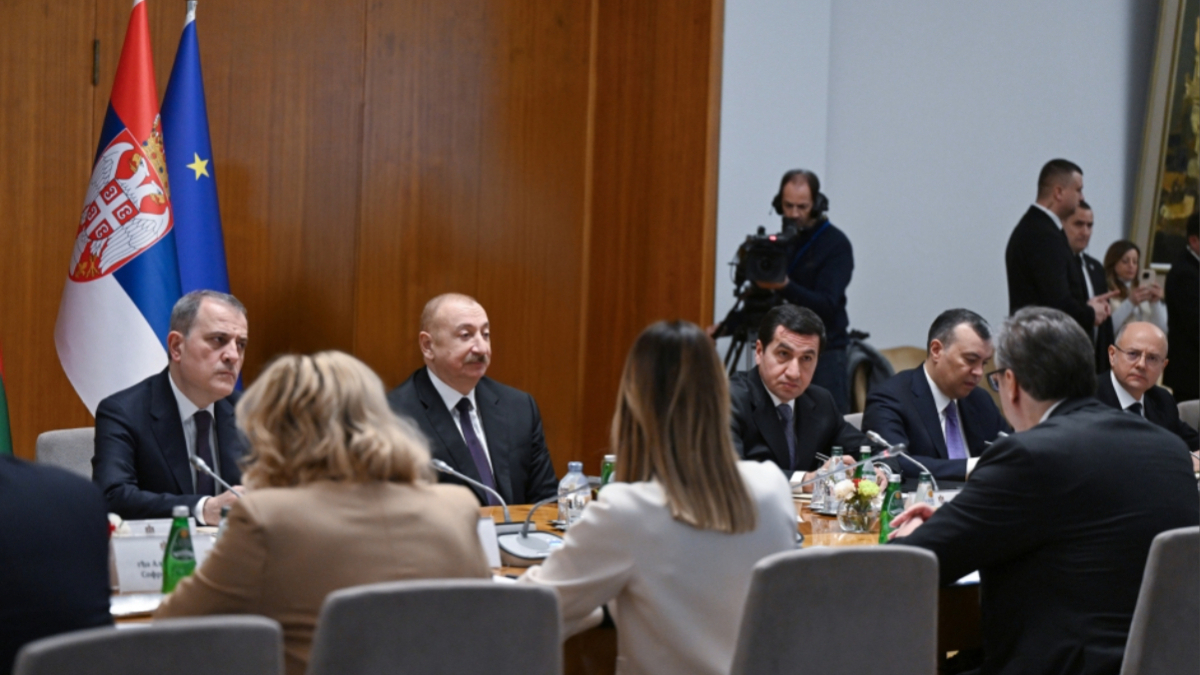
The first meeting of the Strategic Partnership Council between the Republic of Azerbaijan and the Republic of Serbia was held in Belgrade on 15 February, 2026.
Azertag
Expanding connectivity and economic links
The relationship is also set to gain a transport boost, with Air Serbia launching direct flights between Belgrade and Baku on 3 May.
The service, operating twice weekly under a codeshare agreement with Azerbaijan Airlines (AZAL), is expected to strengthen tourism, business mobility and economic exchange.
Such developments are seen as part of broader efforts to deepen connectivity and institutionalise bilateral engagement.
Geopolitical risks and global energy flows
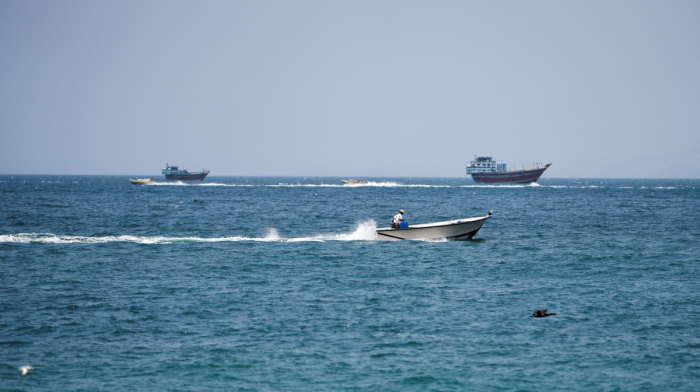
Commenting on wider tensions, Miković said developments around the Strait of Hormuz would have greater consequences for China and Europe than for the United States.
He argued that “the U.S. actually benefits from the ongoing situation”, while warning that any escalation between Iran and the U.S. could significantly disrupt global energy flows and impact European economies.
The analyst also highlighted growing defence cooperation between Serbia and Azerbaijan, including arms trade and expanding security ties.
He warned that rising tensions in the Middle East could increase regional risks, particularly given Serbia’s defence cooperation with Israel.
Long-term strategic outlook
Looking ahead, Miković pointed to major planned projects, including a nearly billion-dollar gas-fired power plant in Serbia supported by Azerbaijan, calling it a significant step in long-term economic cooperation.
He added that upcoming diplomatic visits and new direct flights reflect efforts to further deepen engagement, though regional instability could affect continuity.
Yemen warned the Houthis were seeking to replicate Iran's Strait of Hormuz strategy in the Red Sea, as U.S. President Donald Trump said there was a "g...
Ukrainian President Volodymyr Zelenskyy said he held a productive meeting with U.S. President Donald Trump at the White House on Tuesday, with talks f...
The diplomatic dispute over France's overseas territories is widening, with pro-independence leaders in the Caribbean and the Pacific rejecting claims...
U.S. President Donald Trump said on Monday that there is a good chance” of reaching a deal with Iran, but warned that Washington would resume military operation if negotiations fail.
Iran will halt its own attacks as long as the United States maintains its pause on strikes, but Tehran remains sceptical of U.S. intentions, a senior Iranian source told on Sunday.
The Russia-Ukraine war is increasingly reshaping the Caspian region. From threats to energy infrastructure to renewed diplomatic efforts, countries across the region are adapting to the wider consequences of a conflict that continues to disrupt trade, transport and security.
Yemen warned the Houthis were seeking to replicate Iran's Strait of Hormuz strategy in the Red Sea, as U.S. President Donald Trump said there was a "good chance" of a deal with Tehran but warned strikes could resume if talks failed.
A New York school district has put plans to introduce a humanoid robot into classrooms on hold after fierce criticism from teachers, Indigenous community members and state education officials over the use of artificial intelligence in schools.
Afghanistan and Uzbekistan signed 22 trade agreements worth more than $200 million during a business forum in Kabul on Sunday, as officials from both countries pledged to deepen economic cooperation and expand trade and investment.
Moscow should stop linking Russia-Armenia relations to Azerbaijan, Baku's Foreign Ministry spokesperson Aykhan Hajizada has said, after Russia again raised the Collective Security Treaty Organisation's role during the former Garabagh conflict.
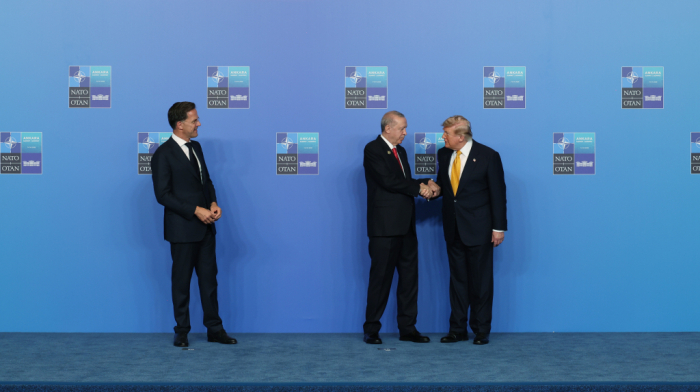
President Donald Trump has dismissed Israeli Prime Minister Benjamin Netanyahu's opposition to a potential sale of F-35 fighter jets to Türkiye, saying U.S. arms sales are decided by Washington alone. He also praised Türkiye as "a tremendous ally" and President Recep Tayyip Erdoğan as "a friend".
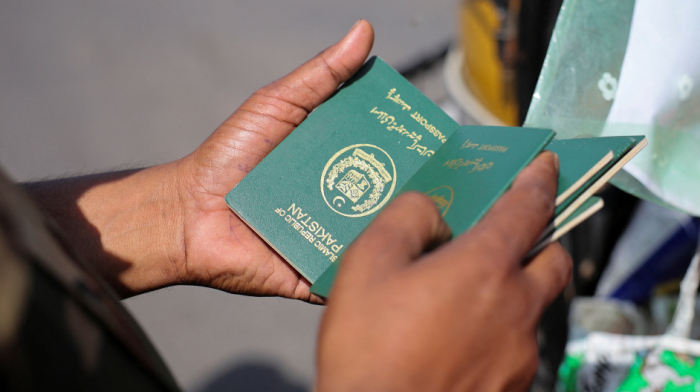
Pakistani businesses are warning that growing difficulties in obtaining United Arab Emirates (UAE) visas are disrupting trade, delaying investment and limiting access to a key export market, despite both Islamabad and Abu Dhabi saying there is no official visa ban.
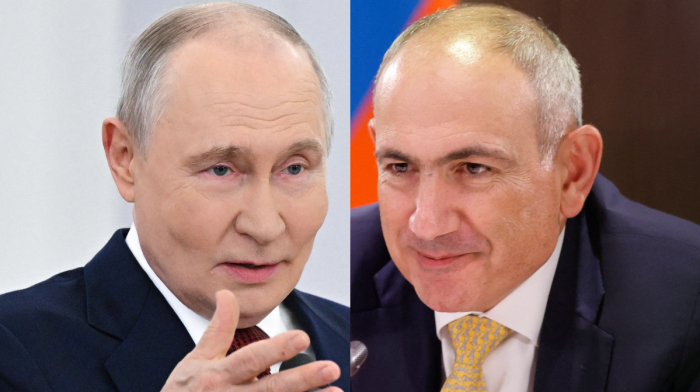
Armenian Prime Minister Nikol Pashinyan has urged Russian President Vladimir Putin to resolve a dispute over trade restrictions imposed by Moscow, Yerevan's government said on Monday.
Download the AnewZ app
You can download the AnewZ application from Play Store and the App Store.













What is your opinion on this topic?
Leave the first comment