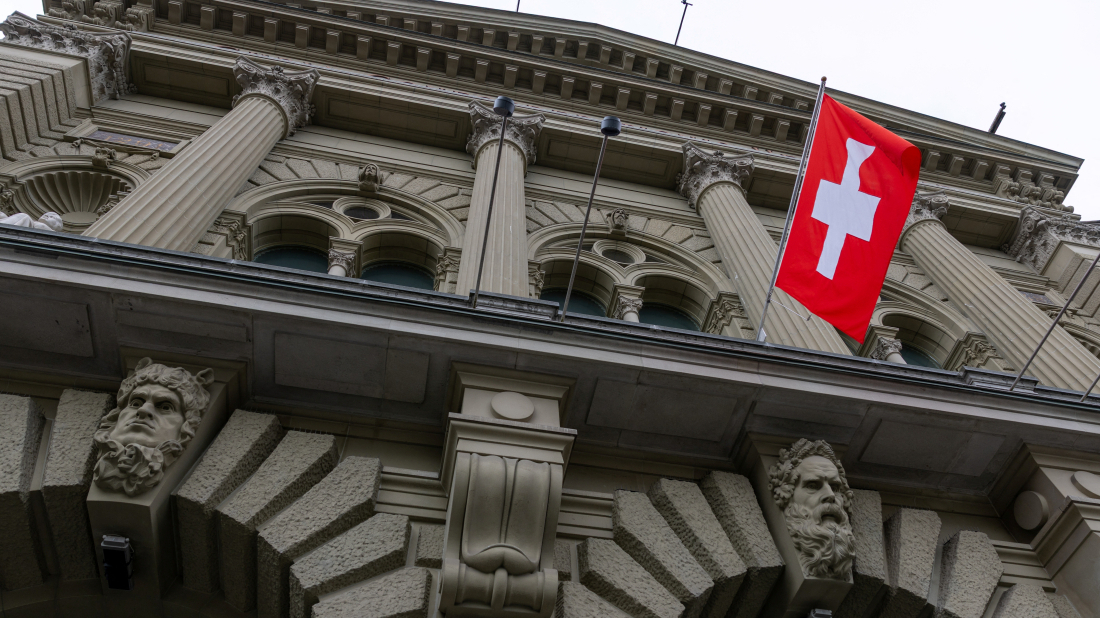
Switzerland has introduced new visa requirements for Georgian diplomatic and service passport holders, highlighting growing tensions between Georgia and its European partners.
The decision follows recent action by the European Union and signals a broader shift in how European countries are responding to concerns over democracy, human rights and foreign policy alignment in Georgia.
Switzerland aligns with EU visa policy
The Swiss Federal Council has announced that holders of Georgian diplomatic, official and service passports will now require a visa to enter Switzerland. The restriction will remain in force for 12 months and does not affect ordinary Georgian citizens travelling for short stays.
The move also includes the partial suspension of an agreement between Switzerland and Georgia that previously simplified visa procedures.
Part of a wider European decision
The step follows a key decision by the European Commission on 6 March 2026 to suspend visa-free travel for Georgian officials across the Schengen Area. This marked the first use of the EU’s reinforced visa suspension mechanism.
As a Schengen-associated country, Switzerland is required to follow EU rules in this area, making its decision a direct extension of the bloc’s policy.
Why the restrictions were introduced
According to EU officials, the measures were taken in response to what they describe as ongoing violations of commitments linked to visa liberalisation. These include concerns about democratic backsliding, pressure on opposition figures and restrictions on independent media in Georgia.
The EU has also criticised Georgia for failing to align with its visa policy, which is considered a key condition for maintaining visa-free travel.
What it means in practice
Georgian diplomatic and service passport holders will now face stricter entry procedures, including visa applications, additional document checks and possible interviews. European authorities have also recommended closer screening at borders using shared databases.
The suspension is set to last until March 2027 but could be extended if concerns are not addressed. There is also the possibility that broader restrictions could be introduced in future.
A signal for future relations
While the changes do not affect the general public, they send a clear political message. European institutions have indicated that future cooperation, including visa-free travel arrangements, will depend on progress in governance, the rule of law and respect for fundamental rights in Georgia.


















What is your opinion on this topic?
Leave the first comment