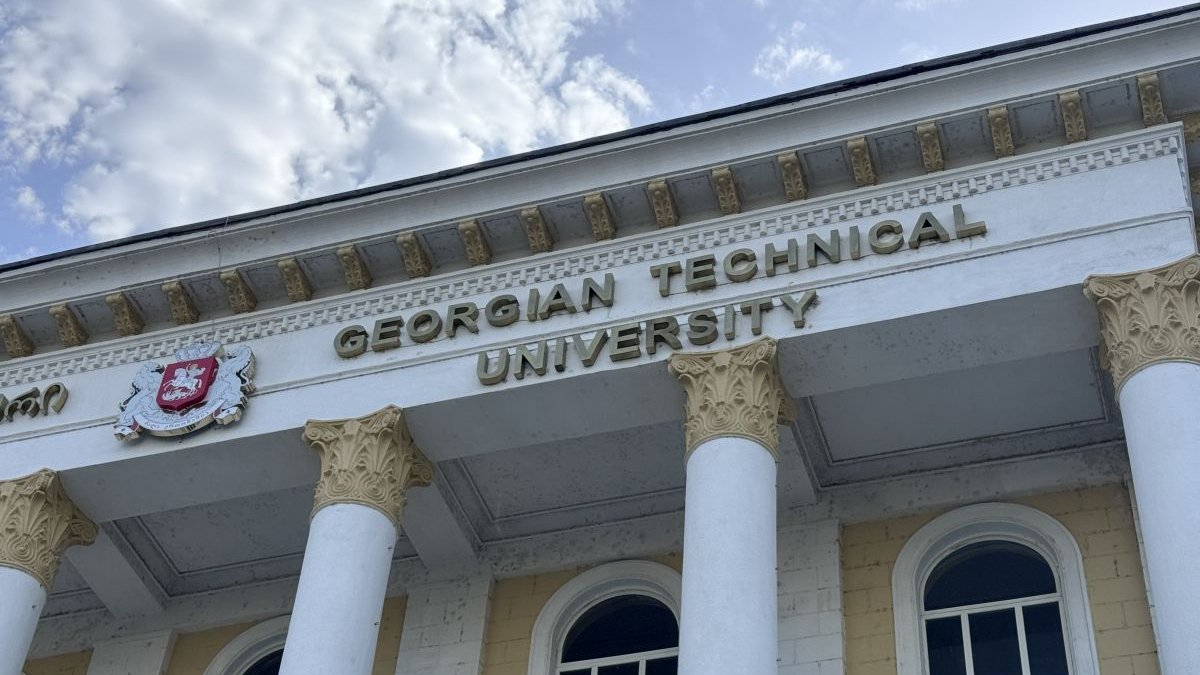
Plans to merge Tbilisi State University and Georgian Technical University have been scrapped by Georgia’s Prime Minister Irakli Kobakhidze, who backed down on the proposed move after days of backlash from lecturers and students.
While the government frames the move as the result of “healthy discussion,” opposition leaders argue it reflects mounting public resistance and a rare retreat by the ruling party.
Government reverses university merger decision
At a 9 February briefing, Prime Minister Kobakhidze confirmed that the previously announced merger between TSU and GTU has been cancelled. The decision follows meetings with the rector and professors of Georgian Technical University.
Instead of merging, GTU will be turned into a “purely technical” university under what the Prime Minister described as a “one city, one faculty” principle. Only subject areas that were taught at GTU before the 1990s will remain. Admissions to non-technical programmes will cease from the next academic year, and existing non-technical programs will operate in a transitional mode over the next two years.
Education Minister Givi Mikanadze said the government will attempt to retain existing academic staff, though no specific mechanism was presented.
Why the merger was announced - and why it failed
Plans for the merger were first made public on 29 January by the Ministry of Education. According to later reports, the rectors of both universities were informed only the night before the announcement.
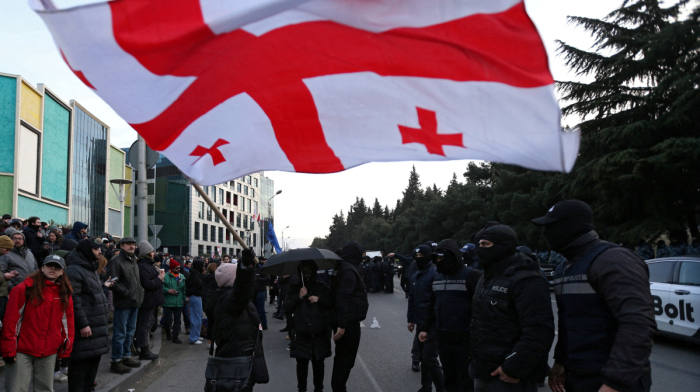
The proposal immediately triggered strong criticism from professors, academic councils and students at both institutions. TSU’s Senate and Academic Council publicly opposed the merger, citing concerns over university autonomy and a lack of consultation. At GTU, faculty members and students also objected and protests followed at both universities.
The government initially defended the plan as part of structural reforms aimed at streamlining higher education and optimising resources. But critics argued the move was rushed, insufficiently justified and potentially harmful to academic independence.
Opposition: “A retreat under pressure”
The reversal has quickly taken on political significance.
Tamar Chergoleishvili, leader of the opposition party Federalists, said it was proof that the government is being "pushed back" and no longer has the luxury of ignoring public resistance. She added that when the authorities appear to back down, it shows people that resistance can work.
Other opposition figures questioned the broader reform agenda. Giorgi Sharashidze - a member of the Gakharia for Georgia party - claimed education reform under the ruling Georgian Dream party serves to increase political control and suggested the merger plans may have been linked to future “optimisation” of university assets.
Privatisation issue remains on the agenda
Following opposition claims that the merger could pave the way for privatisation of valuable university buildings, the Ministry of Education confirmed that some state university properties may indeed be privatised if they are deemed to have "no functional need." According to the ministry, this step is part of infrastructure optimisation and remains on the government’s agenda.
Although the merger itself has been withdrawn, the discussion about university property, autonomy and long-term education reform continues.
A policy correction - or a political signal?
The government’s rollback of the TSU–GTU merger will close a tense chapter in Georgia’s higher education debate but it also leaves broader political questions unanswered. Whether the decision was a sensible policy shift or the result of growing pressure on the ruling party is likely to remain a topic of public debate.
For now, the merger is off - but the debate over reform, autonomy and state control is far from settled.
















What is your opinion on this topic?
Leave the first comment