In Russia, power has always determined who rises and who falls. Under Boris Yeltsin, oligarchs emerged as state property was carved up in the chaos of the 1990s. Wealth was fast, often crude, and frequently independent of the Kremlin itself.
That balance shifted decisively when Vladimir Putin came to power in 2000. A former intelligence officer, Putin spoke of restoring order through what he called a “dictatorship of the law”.
The promise was discipline, central control, and an end to the excesses of the Yeltsin era. In practice, it marked the beginning of a new system in which money and loyalty became inseparable.
Under Putin, wealth was no longer a shield from power. It became conditional on obedience to it. Those allowed to prosper did so with the Kremlin’s consent.
Those who challenged the system were sidelined, exiled, imprisoned, or worse. In this model, no major fortune could grow without political approval. To be rich was to be aligned. There was no neutral ground.
This transformation forms the backbone of The Oligarch’s Design, an investigative documentary produced by AnewZ Investigations, now published across its platforms.
The film traces how Russia’s financial elite adapted to the new rules of the Putin era, and how banking structures, offshore networks, and proxy institutions helped convert political favour into durable wealth.
Drawing on international reporting and expert testimony, the documentary examines how institutions such as Troika Dialog operated within a wider offshore system, enabling vast sums to move quietly across borders while shielding their true beneficiaries.
It shows how financial mechanisms were paired with carefully constructed public narratives, including philanthropy and cultural initiatives, that helped legitimise power both at home and abroad.
As the investigation demonstrates, these systems became fully visible only when war reshaped the context.
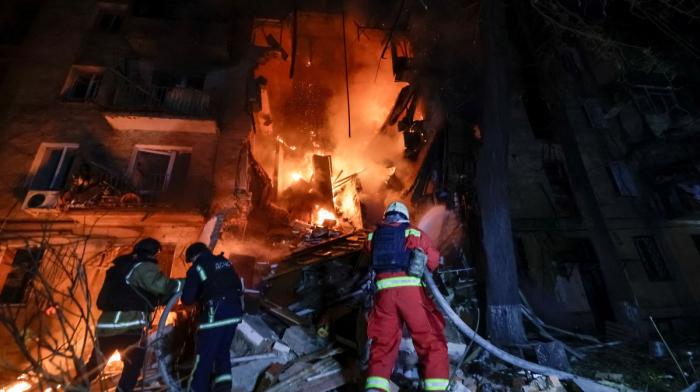
Russia’s invasion of Ukraine brought sanctions, scrutiny, and exposure. Financial networks that once operated discreetly were forced into the open, revealing how deeply money, logistics, and political loyalty were intertwined.
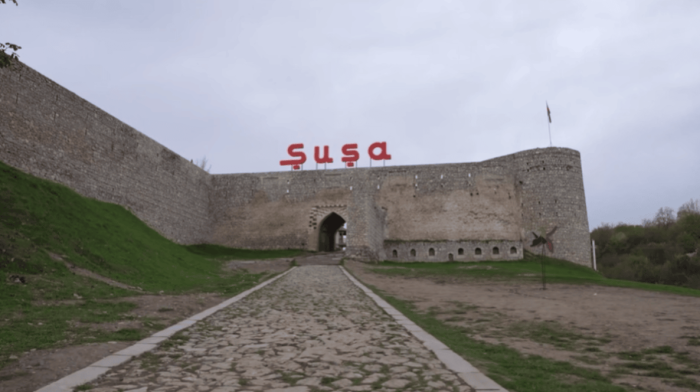
The final chapter moves to Karabakh, where the documentary examines how figures shaped by Russia’s power system entered new political spaces, carrying those same mechanisms with them.
Through field reporting and expert testimony, the film shows how economic influence, narrative control, and political ambition can destabilise fragile regions far from Moscow.
The Oligarch’s Design does not present a story of personalities alone, it documents a system, one in which wealth is granted, sustained, and withdrawn by power.
And one governed by a single, unspoken rule: you are either with the Kremlin, or you are not.








What is your opinion on this topic?
Leave the first comment